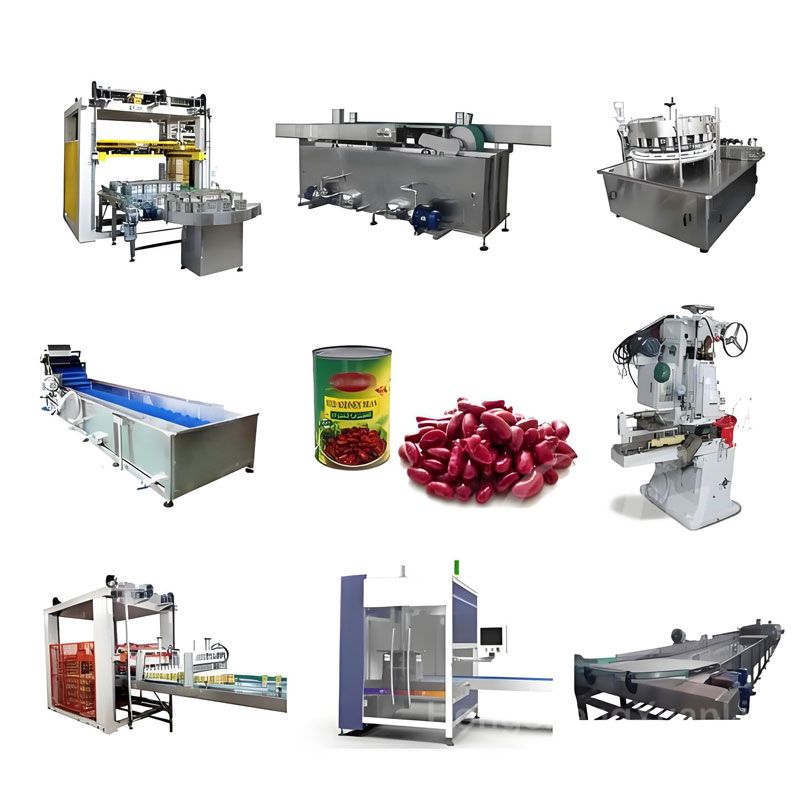
Rotary Tuna Flake and Oil Dosing System: Mass Flow Kinematics & Sizing
Engineering guide for Tuna Oil Doser focusing on mass flow kinematics & sizing: ...
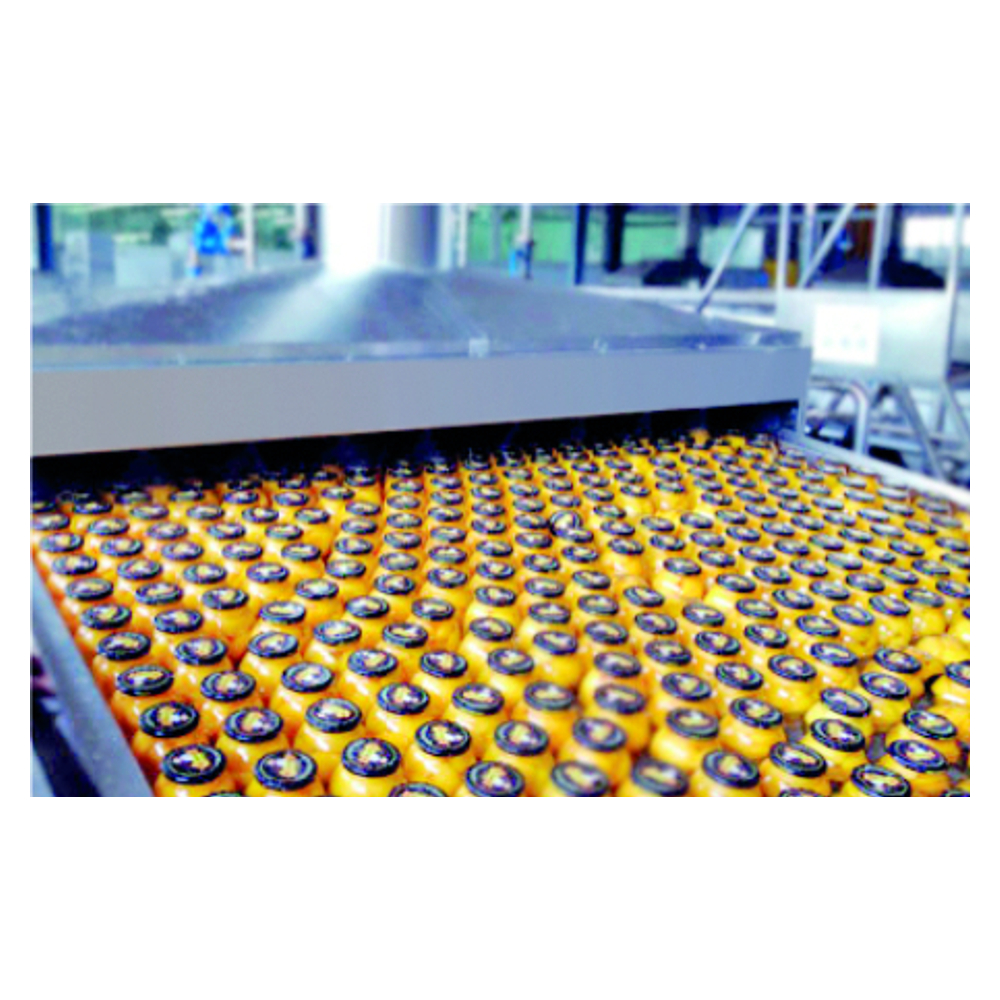
This thermal exhaust tunnel heats open or loosely closed cans before final sealing. Steam heating raises the temperature of the contents and supports air exhausting as part of the canning process. The tunnel is intended to connect with timed downstream sealing operations.
| Parameter | Value |
|---|---|
| Catalogue capacity | 300–500 cans/min |
| Container types listed | Tinplate cans, aluminum cans, glass bottles and plastic bottles |
| Catalogue container diameter range | 50–270 mm |
| Dimensions | 7000×1200×1500 mm |
| Weight | 2500 kg |
Send your product requirements and production layout to discuss the equipment configuration.


Engineering guide for Tuna Oil Doser focusing on mass flow kinematics & sizing: ...

Engineering guide for Seam Stripping Gauge focusing on mass flow kinematics & si...
Engineering guide for Club Can Seamer focusing on mass flow kinematics & sizing:...
Engineering guide for Basket Shuttle Car focusing on mass flow kinematics & sizi...