Why Do Canned Mushrooms Turn Brown? Causes and Solutions for Industrial Producers
Canned mushrooms are a staple ingredient for foodservice, retail private labels, and industrial food processors worldwide. However, canned mushroom browning remains one of the most persistent quality challenges in commercial mushroom processing. For canneries, mushroom growers, and food manufacturers, discoloration is not just a cosmetic issue—it directly affects product grade, buyer acceptance, shelf stability, and brand credibility.For complete autoclave batch scheduling and facility sanitation planning, refer to our engineering overview on mushroom canned production line.

This article addresses why canned mushrooms turn brown, the underlying biochemical and process-related causes, and—most importantly—the industrial-scale solutions available to prevent browning in modern canned mushroom production lines. Written from the perspective of an industrial food processing equipment manufacturer, this analysis is intended for B2B decision-makers, including factory owners, quality managers, production engineers, and procurement teams seeking stable, compliant, and scalable solutions.
What Are Canned Mushrooms and How Are They Processed?
Canned mushrooms are typically produced from Agaricus bisporus or similar cultivated varieties. The industrial process transforms fresh mushrooms into a shelf-stable product through a controlled sequence of preparation, thermal treatment, and hermetic sealing.
Overview of the Industrial Canned Mushroom Production Process
A standard canned mushroom line generally includes:
Raw mushroom receiving and grading
Washing and debris removal
Trimming, slicing, or whole mushroom preparation
Blanching or pre-cooking
Cooling and brine preparation
Filling and liquid dosing
Exhausting or vacuum sealing
Retorting (thermal sterilization)
Cooling, drying, and secondary inspection
Each of these steps has a direct or indirect influence on color stability. Browning can originate at multiple points along the line, often as the cumulative result of raw material quality, enzymatic activity, oxygen exposure, and thermal process control.
Why Do Canned Mushrooms Turn Brown? Core Causes Explained
Understanding why canned mushrooms turn brown requires examining both biochemical reactions and industrial processing variables. In most commercial scenarios, browning is multifactorial rather than the result of a single failure.
Enzymatic Browning Before Thermal Inactivation
Fresh mushrooms contain polyphenol oxidase (PPO) enzymes. When mushroom tissue is cut or damaged, PPO reacts with oxygen, oxidizing phenolic compounds and producing brown pigments.
Key risk factors include:
Delays between slicing and blanching
Insufficient blanching temperature or dwell time
Uneven heat transfer in bulk blanchers
Excessive surface damage during handling
If PPO is not fully inactivated early in the process, browning may continue even after canning.
Non-Enzymatic Browning During Thermal Processing
Even after enzymatic activity is eliminated, mushrooms remain susceptible to non-enzymatic browning, particularly during retorting and long-term storage.
Primary mechanisms include:
Maillard reactions between amino acids and reducing sugars
Caramelization at elevated temperatures
Interaction with metal ions in processing water or equipment
These reactions are accelerated by high sterilization temperatures, prolonged F₀ values, and uncontrolled pH levels.
Oxygen Entrapment and Poor Exhausting
Residual oxygen inside the can is a major contributor to discoloration. Oxygen promotes oxidative browning reactions both immediately and over shelf life.
Common industrial causes include:
Inadequate exhausting systems
Poor vacuum seam integrity
Foaming or headspace inconsistency
Improper brine filling parameters
Modern canning lines increasingly rely on vacuum fillers and steam-flow closing systems to mitigate this risk.
Raw Material Quality and Post-Harvest Handling
Not all browning originates in the factory. Upstream agricultural factors play a decisive role:
Over-mature mushrooms have higher enzymatic activity
Delayed cooling after harvest increases respiration
Mechanical damage during transport accelerates oxidation
Variability in cultivar phenolic content
Industrial processors working with inconsistent raw material often experience unavoidable color variability without compensatory process controls.
Industry Problems Caused by Canned Mushroom Browning
From a B2B manufacturing perspective, browning creates cascading operational and commercial challenges.
Reduced Product Grade and Buyer Rejection
Many buyers—especially foodservice chains and private-label retailers—apply strict visual standards. Browning leads to:
Downgrading from Grade A to industrial grade
Rejected batches at inbound inspection
Contract penalties or price renegotiation
Shelf-Life Instability and Brand Risk
Discoloration that worsens over time creates uncertainty in:
Export shipments with long transit times
Multi-year shelf-life guarantees
Brand consistency across production lots
For manufacturers supplying multiple markets, this instability directly impacts long-term customer trust.
Increased Rework, Waste, and Cost
Browning often forces processors to:
Re-blend products into sauces or secondary items
Increase sorting labor
Discard non-conforming batches
These inefficiencies undermine the cost advantages of high-volume automation.
Industrial Solutions to Prevent Canned Mushroom Browning
Addressing why canned mushrooms turn brown at an industrial level requires system-level optimization, not isolated fixes. Effective solutions integrate equipment design, process control, and quality management.
Key Equipment Features That Control Browning
High-Efficiency Blanching Systems
Industrial mushroom blanchers must deliver:
Rapid and uniform heat transfer
Precise temperature control (typically 90–98°C)
Short, consistent residence time
Minimal mechanical damage
Continuous belt or screw blanchers with zoned heating outperform batch systems in color retention.
Controlled Cooling and Deoxygenation
Immediate cooling after blanching prevents residual thermal degradation. Modern systems integrate:
Counterflow cooling tunnels
Deoxygenated water circulation
Inline dissolved oxygen monitoring
This step is critical before filling to stabilize color.
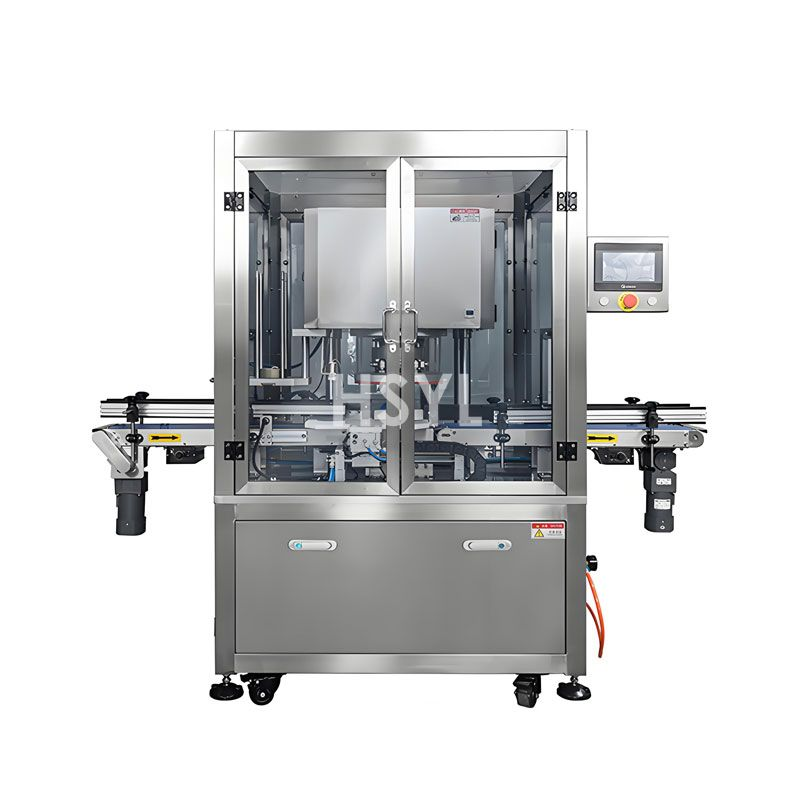
Precision Filling and Vacuum Seaming
Advanced filling lines include:
Weight-controlled solid filling
Accurate brine dosing with pH control
Steam-flow or vacuum closing machines
These technologies significantly reduce residual oxygen, limiting oxidative browning during storage.
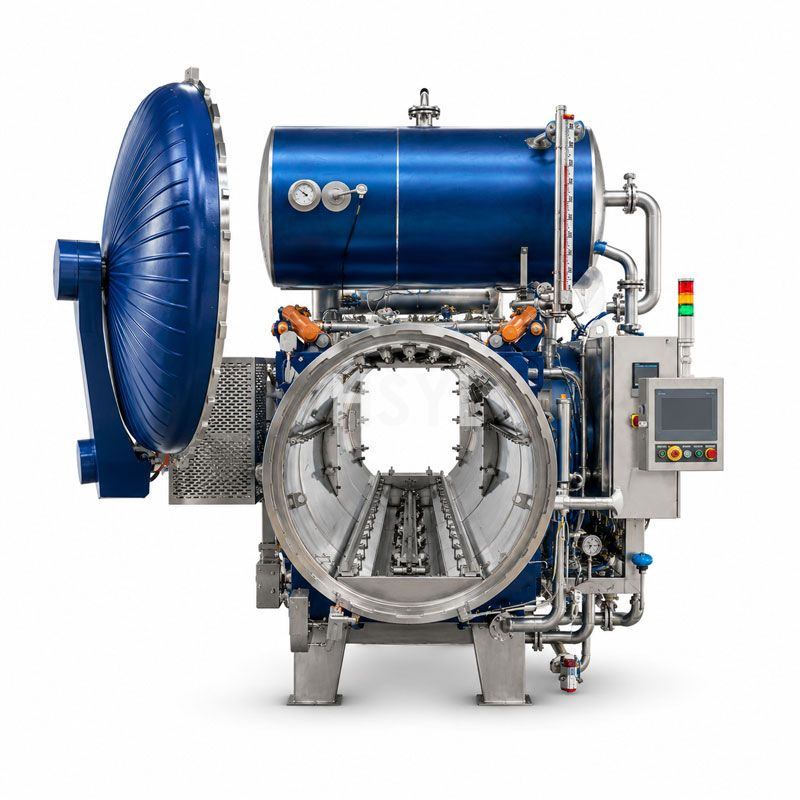
Retort Systems with Optimized Thermal Profiles
Modern retorts emphasize:
Even heat distribution
Flexible recipe programming
Reduced overprocessing margins
Hydrostatic or rotary retorts can improve color retention while maintaining commercial sterility.
Typical Applications and Production Scenarios
Industrial solutions for browning control are applied across multiple production models:
Whole mushroom canning for retail
Sliced mushrooms for foodservice
Ingredients for pizza, sauces, and ready meals
Export-oriented private-label production
Each scenario requires tailored process parameters, especially where long shelf life or premium appearance is required.
Capacity Options and Line Selection Guidance
When selecting equipment to address canned mushroom browning, capacity alignment is essential.
Small to Mid-Scale Operations
1–5 tons/hour raw mushroom input
Semi-automatic blanching and filling
Ideal for regional brands and specialty products
High-Volume Industrial Lines
10–30 tons/hour or more
Fully continuous processing
Integrated CIP, SCADA control, and inline QA
Larger lines allow tighter control over variability, reducing browning risk at scale.
Buyer Benefits of Browning-Controlled Production Lines
For industrial buyers, investing in optimized mushroom processing systems delivers measurable advantages:
Improved visual consistency across batches
Higher acceptance rates from premium buyers
Reduced waste and reprocessing
Greater export readiness
Stronger brand positioning
Over time, these benefits translate into lower unit costs and more predictable production outcomes.
Customization and Engineering Support
No two mushroom factories face identical challenges. Effective solutions require:
Line layout customization
Raw material testing and trials
Process parameter optimization
Training and commissioning support
Engineering-led suppliers with experience in mushroom processing can significantly shorten the learning curve.
Standards, Certifications, and Compliance Considerations
Modern canned mushroom lines are typically designed in accordance with:
HACCP-based process control principles
FDA low-acid canned food (LACF) design requirements
CE-compliant machinery standards
ISO 22000 and GMP-compatible layouts
Color stability is increasingly treated as part of quality assurance, not just aesthetics.
Conclusion: Solving Why Canned Mushrooms Turn Brown at the Industrial Level
Understanding why canned mushrooms turn brown is essential for any processor aiming to compete in today’s quality-driven markets. Browning is not an isolated defect—it reflects how effectively raw materials, equipment, and process controls are integrated.
For industrial producers, the most reliable solution lies in engineered processing systems that address enzymatic activity, oxygen exposure, and thermal impact in a coordinated way. With the right production line design and technical support, browning can be significantly reduced, quality consistency improved, and long-term commercial performance strengthened.
If your facility is evaluating upgrades or planning a new canned mushroom line, engaging with an experienced industrial equipment supplier can help you identify the most effective, compliant, and scalable solution tailored to your production goals.
Frequently Asked Questions
Why do canned mushrooms turn brown even after sterilization?
Is mushroom browning mainly a raw material issue or a processing issue?
Can blanching alone prevent canned mushroom browning?
Does vacuum sealing really reduce browning in canned mushrooms?
Are additives required to prevent browning?
Why does browning sometimes worsen during storage?
Can equipment upgrades realistically solve browning problems?
Related Articles

Get professional consultation
Do you have any questions or need technical support regarding the content of this article? Fill out the form below, and our expert team will provide you with professional solutions.