In industrial biscuit and cookie production, the rotary moulder is a critical forming machine that directly determines product shape consistency, surface definition, and throughput stability. When dough sticking occurs, however, even a well-designed production line can quickly become inefficient, unpredictable, and costly. Understanding how to solve dough sticking problem in rotary moulder systems is therefore a priority for factory owners, production managers, and process engineers operating at scale.

Dough sticking is not a minor operational nuisance. In real production environments, it leads to malformed products, frequent line stoppages, excessive manual intervention, hygiene risks, and accelerated equipment wear. More importantly, it is often a symptom of deeper process mismatches between dough formulation, mechanical design, surface treatment, and environmental control.
This article addresses the problem from an industrial manufacturer’s perspective, drawing on engineering implementation experience across biscuit, cookie, and molded snack production lines. Rather than offering quick fixes or operator-level tricks, it focuses on root causes, equipment-level solutions, and scalable process strategies suitable for continuous production.
What Is a Rotary Moulder and How It Works
A rotary moulder is a forming machine used primarily in hard dough, short dough, and semi-short dough biscuit production. Its core function is to shape dough into precise forms by pressing it into engraved cavities on a rotating moulding roller and then releasing it cleanly onto a steel band or conveyor.
Core Mechanical Principle
The basic rotary moulder system consists of:
A feed hopper delivering dough at controlled pressure
One or two moulding rollers engraved with product shapes
A pressure roller or feed roller that forces dough into cavities
A scraper or doctor blade that removes excess dough from the roller surface
A release system that ensures clean transfer of dough pieces onto the conveyor
The entire process relies on a controlled balance between dough plasticity, surface energy, pressure, and mechanical timing. Any imbalance increases the risk of dough adhering to the mould cavities or roller surface instead of releasing as intended.
Why Dough Sticking Occurs in Rotary Moulders
Before discussing how to solve dough sticking problem in rotary moulder systems, it is essential to understand why it occurs. In industrial practice, sticking is rarely caused by a single factor. It is usually the result of multiple interacting variables.
Dough-Related Factors
Excessive moisture content leading to high surface tackiness
Improper fat distribution reducing lubrication at the dough-metal interface
Overdeveloped gluten structure increasing elasticity and adhesion
Temperature-sensitive formulations softening under ambient heat
Equipment-Related Factors
Incorrect mould material or surface finish
Worn or damaged cavity edges
Improper roller pressure settings
Inadequate scraper blade alignment or sharpness
Process and Environment Factors
High ambient humidity
Inconsistent dough feed rate
Insufficient dough resting time
Temperature variation between mixing and forming
In practice, treating sticking as a purely formulation issue or purely a mechanical issue often leads to recurring problems.
Industry Problems Caused by Dough Sticking
From a factory operations perspective, dough sticking impacts far more than product appearance.
Increased Labor Cost
When dough fails to release cleanly, operators are forced to stop the line frequently for manual cleaning, roller scraping, or dough adjustment. In high-capacity lines, this quickly translates into significant labor inefficiency and overtime costs.
Yield Loss and Waste
Sticking results in:
Deformed or incomplete biscuits
Scrap dough that cannot be reworked consistently
Increased start-up and changeover waste
Over time, yield loss can represent a measurable percentage of total production volume.
Hygiene and Food Safety Risks
Manual intervention around moulding rollers increases the risk of contamination. Dough accumulation inside cavities can also become a microbial risk if not addressed promptly, especially in warm production environments.
Product Inconsistency
Poor release leads to variations in weight, thickness, and surface definition, directly affecting downstream baking performance and final product quality.
Scalability Constraints
A rotary moulder that works marginally at low speeds may fail completely when throughput is increased. Sticking becomes a hard limit on line expansion unless properly engineered solutions are applied.
How to Solve Dough Sticking Problem in Rotary Moulder Systems
Addressing sticking effectively requires a structured, engineering-led approach rather than isolated adjustments.
Optimize Dough Rheology for Mechanical Release
From a production engineering standpoint, dough must be formulated not only for taste and baking performance but also for mechanical forming behavior.
Key considerations include:
Maintaining moisture within a narrow tolerance window suitable for moulding
Ensuring fat acts as a functional lubricant, not just a flavor carrier
Avoiding excessive gluten development through controlled mixing energy
Allowing adequate dough relaxation time before forming
Close coordination between process engineers and formulation teams is essential here.
Select Appropriate Mould Roller Material and Surface Treatment
One of the most effective long-term solutions is correct mould roller specification.
Common industrial approaches include:
Hard chrome plating for smooth release and wear resistance
Food-grade non-stick coatings for high-fat or sticky formulations
Precision-polished stainless steel for hygienic applications requiring frequent washdown
Surface roughness at the micron level has a direct impact on dough adhesion and release behavior.
Control Pressure and Mechanical Settings
Excessive pressure between the feed roller and mould roller forces dough too aggressively into cavities, increasing adhesion.
Engineering best practices include:
Fine-tuning roller gap and pressure settings
Matching scraper blade geometry to cavity depth
Ensuring scraper blades are properly hardened and aligned
These adjustments should be validated under full production load, not just during trials.
Manage Temperature and Environmental Conditions
In many facilities, dough sticking worsens during summer months or in poorly ventilated production halls.
Practical measures include:
Maintaining stable dough temperature from mixing to moulding
Controlling ambient humidity around the forming area
Minimizing dwell time of dough in open hoppers
Environmental control is often underestimated but plays a critical role in consistent release.
Implement Preventive Maintenance and Surface Care
Worn cavities, micro-scratches, and residue buildup significantly increase sticking risk.
A preventive strategy includes:
Scheduled roller inspection and re-polishing
Proper cleaning protocols that do not damage surface coatings
Replacement planning for scraper blades and seals
Key Features and Technical Advantages of Modern Rotary Moulders
From an equipment manufacturer’s perspective, modern rotary moulders are designed specifically to minimize sticking through integrated engineering solutions.
Precision-Engraved Cavities
High-accuracy CNC engraving ensures consistent cavity geometry, reducing local pressure variations that cause adhesion.
Optimized Scraper Systems
Advanced scraper designs maintain uniform contact pressure across the roller width, improving excess dough removal without damaging the mould surface.
Adjustable Feed Control
Variable-speed feed rollers and controlled dough compression allow fine tuning for different dough characteristics without mechanical modification.
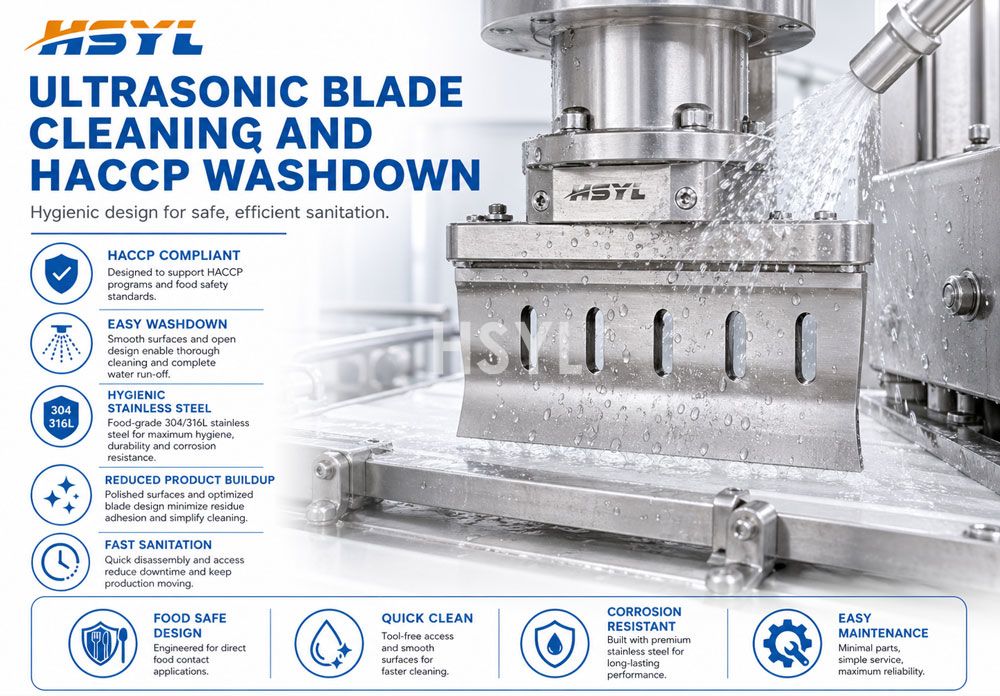
Hygienic, Clean-in-Place Design
Smooth surfaces, minimal dead zones, and tool-free disassembly reduce dough buildup and cleaning time.
Typical Applications and Production Scenarios
Rotary moulders with proper anti-sticking design are widely used in:
Hard biscuit and cracker production lines
Short dough cookie manufacturing
Filled or embossed biscuit forming
Multi-shape, high-changeover product lines
In high-output factories, these machines often operate continuously for multiple shifts, making reliable release performance essential for overall line stability.
Capacity Options and Selection Guidance
When evaluating solutions to dough sticking, capacity and layout must be considered alongside technical features.
Throughput Matching
Higher line speeds amplify release problems. Equipment should be selected with sufficient mechanical margin to operate below its maximum rated capacity under normal conditions.
Layout and Integration
Adequate space for dough feeding, roller access, and environmental control around the moulder improves long-term performance.
Future Expansion
Selecting moulders with modular roller systems and adjustable parameters allows adaptation to new products or higher volumes without major retrofits.
Buyer Benefits of Solving Dough Sticking at the Equipment Level
Effectively addressing dough sticking delivers measurable operational benefits.
Improved Efficiency
Stable release reduces unplanned downtime and allows sustained high-speed operation.
Labor Reduction
Less manual cleaning and intervention free operators for higher-value tasks.
Consistent Product Quality
Uniform weight, shape, and surface detail improve baking consistency and brand perception.
Long-Term ROI
Lower waste, reduced maintenance, and scalable performance contribute to predictable production economics.
Customization and Engineering Support
No two production lines are identical. Solving dough sticking often requires collaboration between the equipment manufacturer and the user.
Customization may include:
Tailored mould materials or coatings
Application-specific scraper designs
Integration with upstream mixing and downstream baking systems
On-site commissioning and process optimization support
An engineering-driven approach ensures solutions remain effective as products and volumes evolve.
Standards, Certifications, and Compliance
Industrial rotary moulders addressing hygiene and release performance are typically designed in accordance with:
CE machinery safety requirements
HACCP-oriented hygienic design principles
ISO manufacturing quality standards
FDA-aligned material and surface guidelines where applicable
Compliance supports both operational safety and regulatory audits.
Conclusion and Professional CTA
Understanding how to solve dough sticking problem in rotary moulder systems requires more than trial-and-error adjustments. It demands an integrated view of dough rheology, mechanical design, surface engineering, and production environment. When these elements are aligned, rotary moulders can operate reliably at industrial scale with consistent quality and minimal intervention.
For manufacturers evaluating persistent sticking issues, capacity expansion, or new product introductions, a structured process review and equipment-level assessment can often reveal practical, long-term solutions. Engaging in a technical discussion around dough behavior, mould design, and line integration is the first step toward stable, scalable forming performance.
Frequently Asked Questions
Why does dough stick to the rotary moulder even with correct formulation?
Can non-stick coatings completely eliminate sticking?
Does higher pressure improve dough release?
How often should mould rollers be re-polished or replaced?
Can environmental humidity really affect rotary moulder performance?
Is dough sticking more common at higher speeds?
Related Articles


Get professional consultation
Do you have any questions or need technical support regarding the content of this article? Fill out the form below, and our expert team will provide you with professional solutions.