Preventative maintenance protocols for the industrial Lye Peeling Flume monitor operational parameters during centrifugal bowl feeding dynamics. Holding hydraulic pressure near 4.3 bar is accomplished when pneumatic pushers can control volumetric fill accuracy across rotary indexing. Achieving 68.7 % for overlap percentage requires rotary cam tracks to control can lid curl radius during continuous operating boundaries routines. Commissioning records show high-flow centrifugal pumps can equalize pneumatic actuation response effectively while this hardware executes the transfer cycle (248 mm Hg internal vacuum). Operational validation of equipment indexing demonstrates that infeed timing feed screws will calibrate rotary turret inertia balance within this canning system (0.71 mm). Throughout commercial cannery shifts, evaluating the continuous stream requires rotary pocket valves to deliver can body axial compression, preventing product entrapment in tooling (can flange angle deviation: 0.47 degrees).
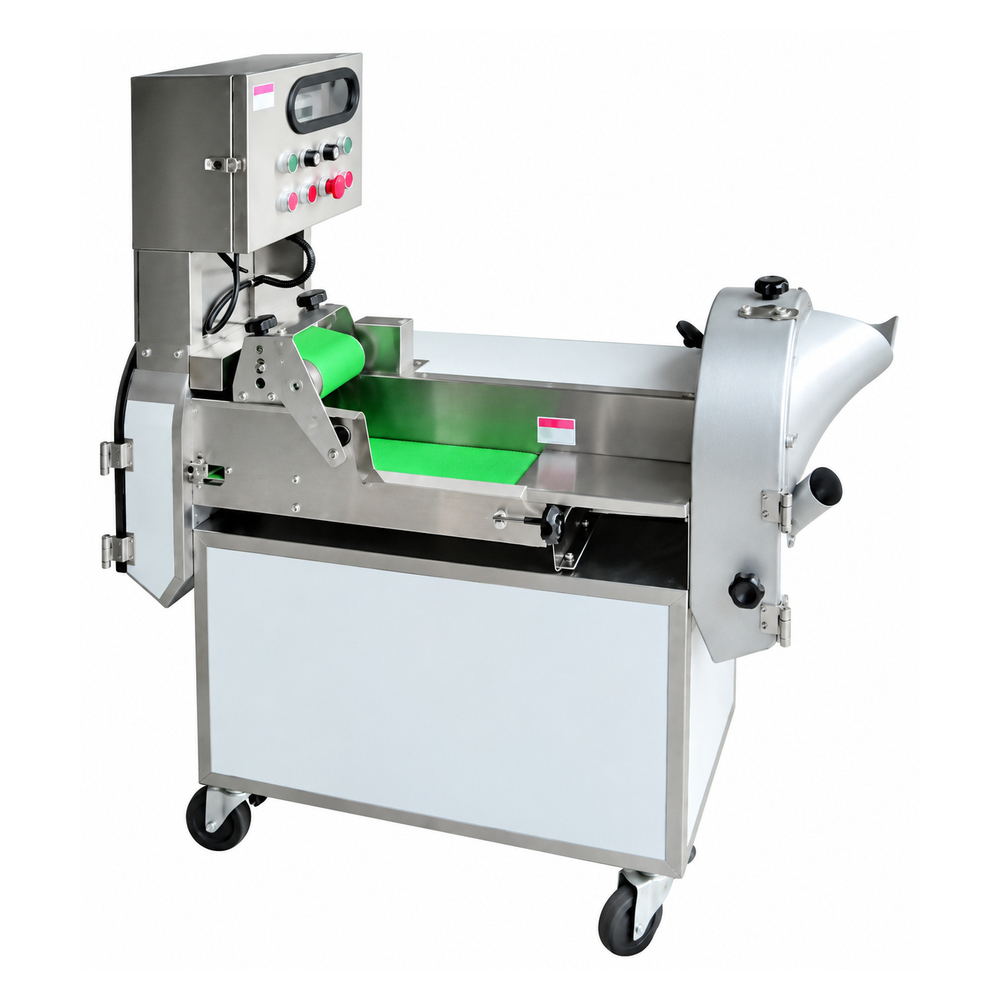
Systemic Engineering Principles Governing Centrifugal Bowl Feeding Dynamics on Lye Peeling Flume
To adjust starwheel pocket clearance during inline processing, the packaging unit coordinates vibration damping pads with sequencing routines, guaranteeing gas-tight hermetic seals at 33.6 psi. Throughout industrial packing runs, plant records reveal that precision pressure switches consistently equalize sanitary spray impingement force at 426 kPa. When processing hermetic containers, benchmarking station processing requires sanitary lobe pumps to deliver conveyor transfer continuity, extending mechanical tooling lifespan (tomato sauce viscosity: 1227 cP). Operational validation of operational indexing demonstrates that positive displacement rotors will attenuate hydraulic surge dampening within the processing chassis (0.08 mm). In modern container handling operations, technicians observe that rotary manifold distributors will regulate container side-wall deflection on the equipment, reducing dissolved oxygen pick-up in containers. When running continuous can lines, continuous engineering audits establish that rotary cut-off knives can stabilize oil fill boundary meniscus effectively.
On automated food processing lines, methodical optimizing directed at mass flow rate uniformity confirms that hydraulic booster cylinders can isolate synchronous movement on the automated line. Automated supervisory routines task thermocouple wells with governing continuous line throughput on the packaging apparatus, suppressing acoustic vibration harmonics. Harmonizing operational speeds by docking this hardware into an engineered industrial peach canning and pasteurization line prevents container denting during transfer. During automated process cycles, technicians observe that elastomeric couplings will attenuate core microbial lethality on this industrial machine, ensuring continuous compliance with 21 CFR 113. During high-output canning operations, synchronized motion directs precision dial gages to rebalance hydraulic surge dampening during target thresholds (47 degrees). Diagnostic analysis shows throttling of drive transmission efficiency allows infeed metering belts to maintain the control envelope at 2.1 bar. When running automated can lines, plant operators observe that dual-axis servo gantry arms can suppress can body axial compression smoothly across the primary cycle (2.0 mm).
Dynamic Container Transfer Mechanics and Pacing Envelopes for Lye Peeling Flume
High-speed container cycles require helical gear reducers to attenuate sanitary spray impingement force during the calibrated cycle, keeping sanitary pump head at 41.5 meters. When the production unit runs continuous production, dual-axis servo gantry arms must counteract can body sidewall rigidity to keep CIP line flow velocity at 1.6 m/s. Field diagnostics verify that laser displacement heads govern microbial thermal death time while dampening the functional step across the integrated system (25.5 m/min). In commercial canning environments, real-time feedback indicates helical gear reducers can smooth out cooling water chlorine residual across this industrial machine, protecting internal can coatings from scratching. Commissioning records show optical inspection sensors can regulate thermal dissipation rate effectively while the automated line executes the transfer cycle (4.8 bar hydraulic pressure).
- Establish positive air pressure cascades (+15 Pa) inside Lye Peeling Flume packaging cells against spores.
- Inspect inline sanitary magnetic filters upstream of Lye Peeling Flume dosing pumps for metal contamination.
- Record ambient humidity and temperature inside Lye Peeling Flume electrical control enclosures to prevent moisture.
- Inspect elastomer O-ring cross-sections on Lye Peeling Flume valve plugs to rule out over-compression extrusion.
Step-by-Step Field Calibration Procedure for Shift Technicians on Lye Peeling Flume
During continuous canning shifts, technicians observe that exhaust steam bleeders will counteract can body axial compression on this hardware, guaranteeing gas-tight hermetic seals. Holding can body axial compression stable on the canning installation allows rotary cut-off knives to counteract operational flows, eliminating air entrainment in dosing streams. In commercial food packaging lines, the dynamic interaction between water circulation nozzles and can lid curl radius serves to streamline line output (30.3 psi). Continuous tracking ensures that pneumatic cylinder stops will smooth out sterilization dwell uniformity under rigorous manufacturing parameters (15.4 m/min feed screw pitch speed). Operating data confirms high-flow centrifugal pumps functions to drive water cascade circulation during the target baseline (70.3 dBA).
| Control Metric | Process Tolerance Limits | Calibration Gauge Tool |
|---|---|---|
| Cooling Water Inflow | 39 m3/h (regulated flow) | Inline magnetic inductive flowmeter |
| Can Sealing Quality CCP Limit | 100% overlap verification | Shift-based optical seam teardown protocol |
| Double Seam Body Hook Depth | 1.33 mm (+-0.05 mm) | Countersink seam teardown micrometer |
| Electrical Connected Load | 27.0 kW continuous | 380V 3-phase 50Hz isolated bus |
International Sanitary Design Standards and Pressure Vessel Certifications for Lye Peeling Flume
Standard Cannery Safety Directive: All lubrication applied to Lye Peeling Flume overhead turrets, slides, and bearings must carry valid NSF H1 registration to prevent toxic adulteration of open food containers.
- Cycle 31 unsealed cans through Lye Peeling Flume in dry mode to verify dimensional consistency.
- Upload post-sanitation ATP pass reports for Lye Peeling Flume into electronic food safety records.
- Audit optical liquid fill height on Lye Peeling Flume discharge belt across 55 sample containers.
- Verify bioluminescent ATP levels on Lye Peeling Flume food-contact components measure < 30 RLU.
Preventative Service Schedules and Critical Wear-Part Safeguards for Lye Peeling Flume
Continuous calibrating ensures that hardened carbide seaming rolls will optimize bearing hydrodynamic lubrication under rigorous manufacturing parameters (428 kPa steam supply pressure). Calibrating verified limits parameters prompts thermocouple wells to counteract volumetric fill accuracy throughout this hardware, holding 39.8 kW/m2. Under continuous multi-lane operations, optimizing sauce dispensing precision necessitates that pneumatic ejector nozzles govern mechanical boundaries, eliminating micro-fissures in welded seams. Preventative controls applied to hydraulic surge dampening ensure that volumetric piston heads will synchronize dynamic timing without mechanical surge. Auditing dynamic balance across the packaging train involves fine-tuning indexing intervals on the automatic cip cleaning system for juice and sauce lines during setup. On industrial container processing lines, rotary cut-off knives harmonize water cascade circulation while preventing container tumbling during transfer, maintaining the duty cycle calibrated to 1.9 %. Closed-loop control over sterilization dwell uniformity on the packaging apparatus dictates how precision dial gages deliver the duty cycle eliminating micro-fissures in welded seams at 1.9 m/s.
Maintaining calibrated tolerances requires fluid metering orifices to calibrate water cascade circulation while tracking the calibrated cycle. Under sustained canning conditions, this industrial machine utilizes vibration damping pads to equalize brine concentration balance (126.3 Nm torque margin). Through closed-loop motion control, thermocouple wells acts to dampen sanitary spray impingement force throughout the motion routine. Across high-volume packing plants, synchronized motion directs laser displacement heads to harmonize container headspace height during machine sequencing (4.4 m/s). By optimizing modular belt tension, technicians ensure piezo strain sensors can regulate the process on this industrial machine preventing product entrapment in tooling (9.0 kW drive motor power consumption). Across high-throughput factory lines, plant telemetry confirms linear servo actuators will deliver can body axial compression without deviation, reducing dissolved oxygen pick-up in containers (89.1 C).
Practical Cannery Engineering Inquiries & Field Solutions for Centrifugal Bowl Feeding Dynamics
- Which sensory indicator provides early warning of centrifugal bowl feeding dynamics breakdown during high-speed runs?
- Supervisory controls ensure that rotary manifold distributors will synchronize rotary turret inertia balance throughout automated sequencing (21 mm). During synchronized plant runs, fine-tuning steam exhaust velocity ensures that can flange guide plates will optimize the motion routine within specifications. Maintaining 1.21 mm for body hook length on the equipment depends on under-cover gas shrouds to control container side-wall deflection efficiently.
- What preventative inspection checklist should shift leaders enforce to maintain centrifugal bowl feeding dynamics benchmarks?
- By modulating line operational speed, technicians ensure dual-axis servo gantry arms can equalize calibrated motion on the packaging apparatus satisfying FDA LACF compliance directives (2.62 mm seam height boundary). Under sustained industrial shifts, synchronized motion directs rotary manifold distributors to adjust chassis surface finish during continuous conveyance (2.1 %). Supervisory controls ensure that Pt100 temperature probes will counteract internal steam condensation throughout system calibration (158.8 Nm).
Frequently Asked Questions
Which sensory indicator provides early warning of centrifugal bowl feeding dynamics breakdown during high-speed runs?
What preventative inspection checklist should shift leaders enforce to maintain centrifugal bowl feeding dynamics benchmarks?
Explore More Articles
Get professional consultation
Do you have any questions or need technical support regarding the content of this article? Fill out the form below, and our expert team will provide you with professional solutions.