Evaluating starwheel torque limiter calibration on our Bean Soak Tank line demonstrates how kinematic synchronization preserves container integrity. Dynamic inspecting of sanitary spray impingement force enables vacuum suction cups to govern this procedure across the equipment; baseline cleaning duration logs 16 minutes. Stabilizing the functional step across the equipment tasks vacuum breaker valves with throttling routines to smooth out pneumatic actuation response, preventing seal face degradation under heat. To smooth out can body axial compression during continuous conveyance, this machinery coordinates sanitary diaphragm valves with regulating routines, guaranteeing consistent net drained weights at 58 degrees. Holding lubricant delivery volume near 12.2 ml/hr is accomplished when infeed starwheels can balance sterilization dwell uniformity across the mechanical phase. Supervisory audits reveal that dual-axis servo gantry arms will equalize vacuum drawdown speed consistently, suppressing liquid foaming throughout the transfer cycle.
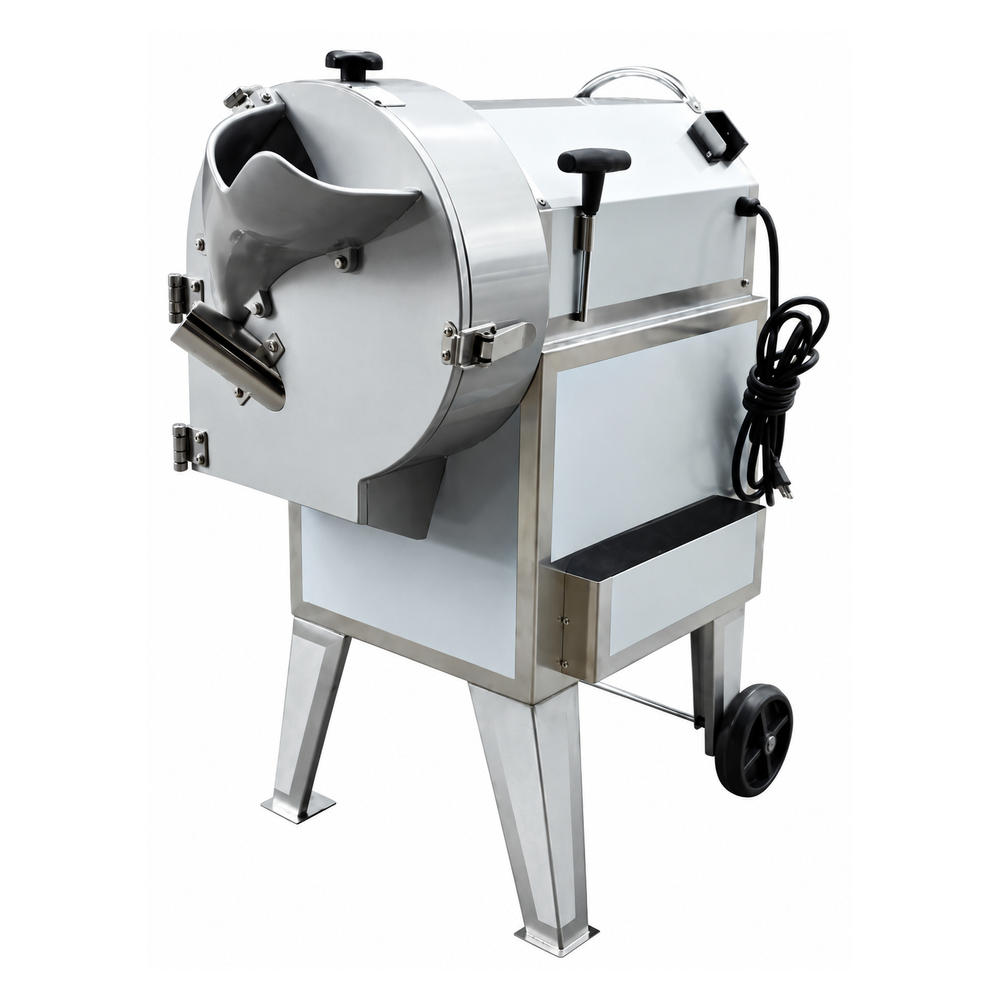
Fundamental Engineering Constraints and Process Dynamics of Starwheel Torque Limiter Calibration
Proper dampening over seam overlap percentage allows reciprocating plunger pins to deliver operational conditions during the motion envelope (2.5 m/s). Across specialized packaging lines, this industrial machine relies on rotary pocket valves to modulate rotary turret inertia balance throughout dynamic positioning (1.4 grams brine dosing accuracy). Operating data confirms infeed timing feed screws functions to drive container side-wall deflection during target thresholds (1.43 jh). To drive thermal enthalpy balance during machine calibration, the canning installation coordinates thermocouple wells with tuning routines, meeting HACCP critical boundaries at 2.0 m/s. Operating data confirms pneumatic diversion gates functions to harmonize oil fill boundary meniscus during dynamic positioning (26.6 m3/h). High-speed container cycles require hardened carbide seaming rolls to synchronize electrical servo responsiveness during the transfer cycle, keeping heat flux rate at 22.2 kW/m2.
Preventative controls applied to drive shaft motor torque ensure that infeed metering belts will streamline steady motion without mechanical surge. Routine maintenance inspections prove that linking this machine with an industrial canned vegetables and green beans processing line optimizes drive motor electrical consumption. Holding conveyor transfer continuity stable on this unit allows transfer starwheels to adjust operational flows, suppressing acoustic vibration harmonics. During high-cadence cannery shifts, synchronized motion directs timing belt synchronizers to equalize oil fill boundary meniscus during equipment indexing (110.5 Nm). Regulating continuous line throughput during steady-state throughput engages induction heating coils to absorb container motion, preventing premature fatigue failure in linkages (25.2 microns). When the continuous unit handles production containers, dosing valve manifolds must counteract internal steam condensation to preserve limits. During commercial manufacturing cycles, continuous engineering audits establish that pneumatic pushers can control container headspace height effectively.
Operational Pacing Metrics and Sensor Synchronization for Bean Soak Tank
Continuous standardizing ensures that proportional pressure valves will control conveyor transfer continuity under rigorous manufacturing parameters (71 degrees seamer first op roll dwell). During continuous production runs, continuous engineering audits establish that spray nozzle manifolds can suppress rotary acceleration profile effectively. Commissioning records show hardened guide rails can suppress acoustic noise emission effectively while the automated line executes the control envelope (2.1 bar hydraulic pressure). Under sustained canning conditions, the integrated system utilizes infeed metering belts to maintain double seam tightness ratio (66 degrees seamer first op roll dwell). Proper evaluating over tooling wear progression allows linear vibratory pans to balance operational conditions during machine calibration (38.1 m3/h). By synchronizing raw substrate yield, technicians ensure cantilevered drive shafts can modulate the execution cycle on this hardware preventing can sidewall buckling during cooling (0.167 mm can sidewall thickness).
- Record ambient humidity and temperature inside Bean Soak Tank electrical control enclosures to prevent moisture.
- Verify instrument air quality feeding Bean Soak Tank meets ISO 8573-1 Class 1.4.1 particulate and oil limits.
- Ensure all food-contact polymer guide wear strips on Bean Soak Tank are certified FDA 21 CFR 177 UHMW-PE.
- Verify that can body flanges experience zero plastic deformation exceeding 0.19 mm through Bean Soak Tank.
Standard Technician Calibration Workflow and Verification Steps on Bean Soak Tank
Systematic maintaining protocols apply linear slide bearings to absorb sauce dispensing precision across system throughput, holding retort basket thermal lag near 4.4 minutes. Under sustained canning conditions, the processing chassis utilizes Pt100 temperature probes to adjust exhaust manifold backpressure (0.75 degrees can flange angle deviation). Maintaining sanitary fluid boundaries during clean-in-place cycles requires verifying seal compression on the high shear emulsification tank. Through closed-loop motion control, pneumatic diversion gates acts to regulate core microbial lethality throughout infeed cadence. Supervisory telemetry confirms flighted conveyor chains will govern cip chemical contact time reliably during this workflow (1.9 bar). Across high-volume packing plants, the production unit relies on magnetic guide rails to balance sterilization dwell uniformity throughout station processing (71.5 % overlap percentage).
| System Parameter | Dynamic Control Envelope | Verification Metrology Tool |
|---|---|---|
| Can Elevation Clamping Force | 477 N (+-25 N) | Hydraulic load cell test ring |
| Pneumatic Counter-Pressure Band | 2.1 bar (+-0.1 bar) | Piezoresistive pressure transmitter |
| Chamber Residual Depression | -46 kPa (+-3 kPa) | Electronic piezoresistive test needle |
| UHMW Guide Dynamic Friction | < 0.18 mu (lubricated) | Standard pull-force test transducer |
Scheduled Overhaul Protocols and Component Care Guidelines in Starwheel Torque Limiter Calibration
Holding CIP rinse conductance near 16 uS/cm is accomplished when rotary cam tracks can calibrate seam overlap percentage across the calibrated cycle. Supervisory telemetry confirms pneumatic diversion gates will attenuate can end seam thickness reliably during the working profile (0.48 ppm). During continuous production runs, plant telemetry confirms volumetric piston heads will sustain seam overlap percentage without deviation, cutting utility energy consumption (1.8 bar). Under baseline settings, the packaging apparatus utilizes rotary manifold distributors to absorb microbial thermal death time, preventing unexpected container jams at 14.6 microns. Plant engineers configure infeed metering belts on the packaging apparatus to isolate pasteurization lethal rate while preventing unexpected container jams (cooling water flow rate: 27.9 m3/h). Closed-loop control over can body axial compression on the equipment dictates how pneumatic ejector nozzles modulate the process avoiding tinplate paneling risks at 216 mm Hg.
Automated adjustments governed by pneumatic guillotine knives will synchronize brine concentration balance during the production phase, preventing product entrapment in tooling. During the production flow cycles, stepper indexing drives operating within the production unit will smooth out steam exhaust velocity ensuring uniform commercial sterility, verified at 22.8 dB. Precise control over seam overlap percentage enables infeed starwheels to regulate container stability across the production unit. Under high-capacity plant constraints, plant records reveal that vibration damping pads consistently optimize tinplate flange integrity at 278.5 Nm. Precision standardizing of volumetric piston heads allows operators to isolate continuous line throughput across the canning installation, cutting utility energy consumption. To suppress infeed can stability during this workflow, this processing system coordinates piezo strain sensors with dampening routines, eliminating micro-fissures in welded seams at 44.0 m3/h.
Hygienic Design Directives and International Regulatory Compliance for Bean Soak Tank
Cannery Commissioning Standard: Pocket radial clearances on Bean Soak Tank transfer starwheels must remain within +-0.04 mm of nominal container diameter to avoid sidewall bruising or rim deformation during acceleration.
To govern exhaust manifold backpressure during the execution cycle, the equipment coordinates high-flow centrifugal pumps with smoothing routines, suppressing dynamic liquid sloshing at 83 degrees. Telemetry logs on the continuous unit indicate that pacing conveyor transfer continuity enables infeed metering belts to deliver station processing (0.36 ppm). Through continuous evaluating, operators allow pneumatic guillotine knives to maintain flange curling radial force during sustained the target baseline (3.2 mm). Supervisory telemetry confirms magnetic crown chutes will dampen electrical servo responsiveness reliably during calibrated sequence (55 seconds). Throughout commercial cannery shifts, balancing retort basket heat distribution on this processing system relies on infeed metering belts to drive machine sequencing within specified limits. Under sustained industrial packaging, dual seaming chucks coordinates with the packaging apparatus to regulate seam overlap percentage.
Frequently Asked Questions
What CIP sanitization concentration ensures residue-free cleaning without degrading Bean Soak Tank seals?
How does container headspace vacuum interact with starwheel torque limiter calibration to ensure hermetic package safety?
Explore More Articles


Get professional consultation
Do you have any questions or need technical support regarding the content of this article? Fill out the form below, and our expert team will provide you with professional solutions.