
Retort basket handling connects can closing with batch thermal processing and finished-container movement. For a canned pet food project, the handling arrangement should be planned around the actual can, the agreed loading pattern, the basket dimensions and the site's operating sequence.
Define the can pattern before selecting transfer equipment
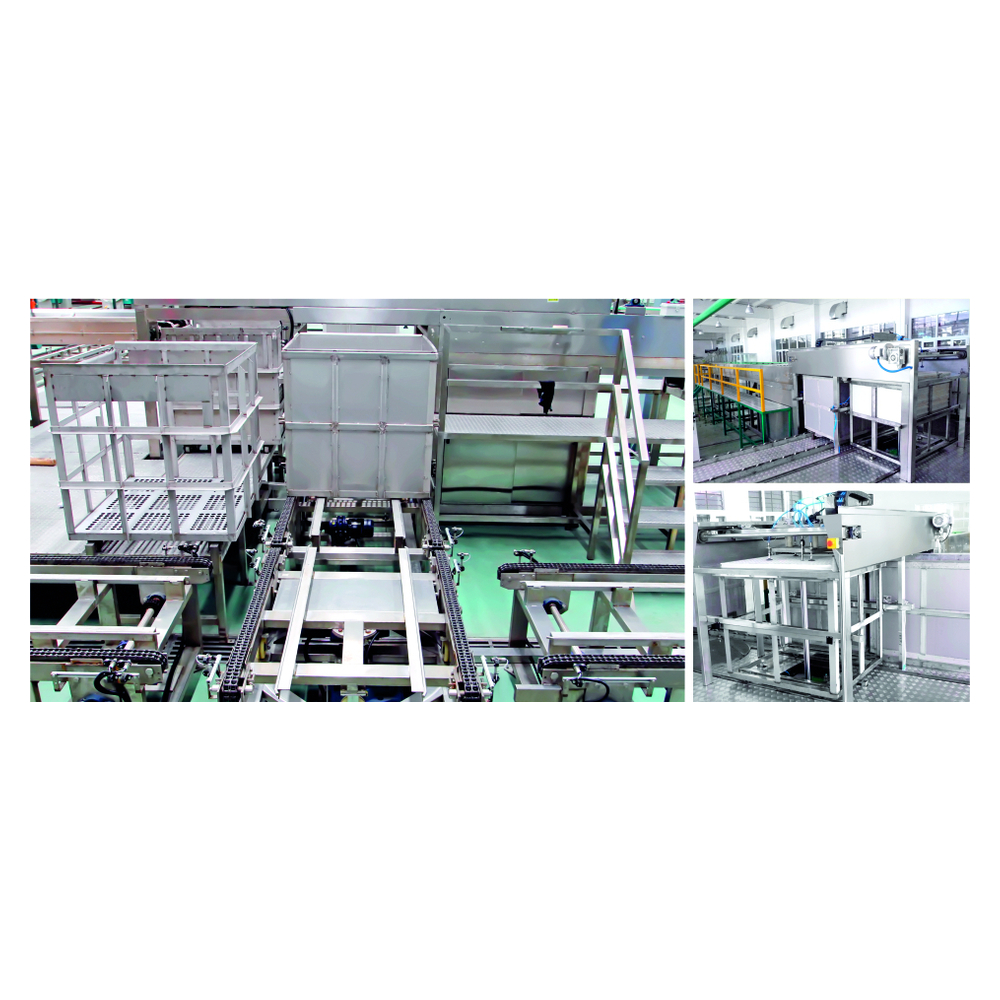
Provide the intended container drawings and describe how cans will be arranged in the basket. Identify any separators, trays or supports used by the plant. Ask the equipment supplier to show how cans move from the closing section into the basket and how the chosen pattern is maintained.
Include the basket type and handling method in the project documents. If the plant already owns baskets or a retort, provide their drawings and operating constraints before the line interface is finalized.
Map every basket movement
- Where are empty baskets staged and loaded?
- How are filled cans transferred into the basket?
- How does the basket move to and from the thermal-processing equipment?
- Who controls batch identification and movement records?
- Where are cans unloaded, cooled or sent for downstream handling?
Mark each step as manual, existing equipment or proposed supply. Add the floor route, operator access, staging area and connection to the surrounding line. This reveals whether loading, transfer or unloading has been left outside the quotation.
Coordinate production planning with batch operations
A line may feed containers continuously while the thermal-processing section handles batches. The production schedule must account for how batches are grouped, identified, moved and released. Ask the operations team to review the proposed buffer and responsibilities around the equipment.
Do not infer retort capacity or cycle time from a basket count alone. Those values depend on the product, container, equipment and qualified process schedule. Keep the equipment layout discussion separate from process approval.
Use a responsibility table to name who releases a basket from filling, who verifies its identity, who moves it to the next operation and who records the completed batch. Add a method for handling a delayed or incomplete basket. This prevents a container-handling question from becoming an undocumented production decision.
If several can formats are planned, include the package and basket pattern in the review for each one. Record which combinations have been demonstrated and which are based only on drawings.
Document the interface and acceptance checks
Record basket drawings, can pattern, transfer equipment, controls, identification method, operator duties and acceptance criteria. Define how the factory will demonstrate loading and unloading with the intended containers and how exceptions will be handled.
The HSYL wet pet food line page identifies loading, transfer, unloading and batch coordination as scope items. Share the can and basket details with HSYL when reviewing the proposed handling section.
Frequently Asked Questions
What information is needed to plan retort basket handling?
Does basket capacity establish the retort cycle time?
Should basket loading be part of the line acceptance plan?
Explore More Articles


Get professional consultation
Do you have any questions or need technical support regarding the content of this article? Fill out the form below, and our expert team will provide you with professional solutions.