
A canned pet food retort process cannot be selected from a generic F0 chart. F0 is used in thermal-process evaluation, but a value taken out of context does not define a safe schedule for a product, can and operating method. Equipment specifications and process validation are related project work with different responsibilities.
What the equipment supplier needs to know
Thermal behavior can depend on the recipe and product structure, the container and its fill, the initial condition of the product, how containers are loaded and the thermal-processing system. The qualified process personnel need the product and package details required to establish the scheduled process. The equipment proposal must then describe the retort or other system and its operating controls accurately.
A machine's ability to reach a programmed setpoint does not establish that the product received the required process. Likewise, purchasing a retort does not establish the process schedule, product shelf life or regulatory compliance.
For the United States, check the applicable FDA requirements
The FDA states that canned pet foods must be processed in conformance with low-acid canned food regulations in 21 CFR Part 113. FDA inspection guidance describes the role of a processing authority in establishing scheduled processes and evaluating thermal-processing requirements. See the FDA Pet Food overview and FDA guidance on processing authorities. Confirm current requirements for each destination market with the responsible regulatory and process specialists.
Keep the process and equipment records connected
- Identify the product formulation and package revision covered by the schedule.
- Record the responsible process authority and the source of the scheduled process.
- Define the retort configuration, loading arrangement and factors the process depends on.
- Train operators on required records and the response to a process deviation.
- Review changes to recipe, fill, container or operating conditions with the responsible authority before use.
These records should match the actual product and equipment configuration. A supplier's sample recipe, a catalogue value or an unrelated production example is not a substitute for process establishment.
Change control deserves special attention. A revised formulation, container, fill condition or operating method can affect the basis on which a schedule was established. Route a proposed change to the responsible process specialist before implementation and retain the review with the controlled production documents. The equipment supplier can confirm machine interfaces, but that review does not replace process-authority work.
For an equipment enquiry, ask the supplier to state which retort functions, records and interfaces are included. For the food business, identify who owns process filings, operator training, routine record review and deviation escalation. A written responsibility split is easier to manage than a broad statement that the line is “fully automated.”
Separate equipment acceptance from process approval
An equipment acceptance test can review installation, controls, basket movement, records and agreed operating functions. Product process establishment and regulatory filings are separate work. State in the quotation who supplies each document and who is responsible for review.
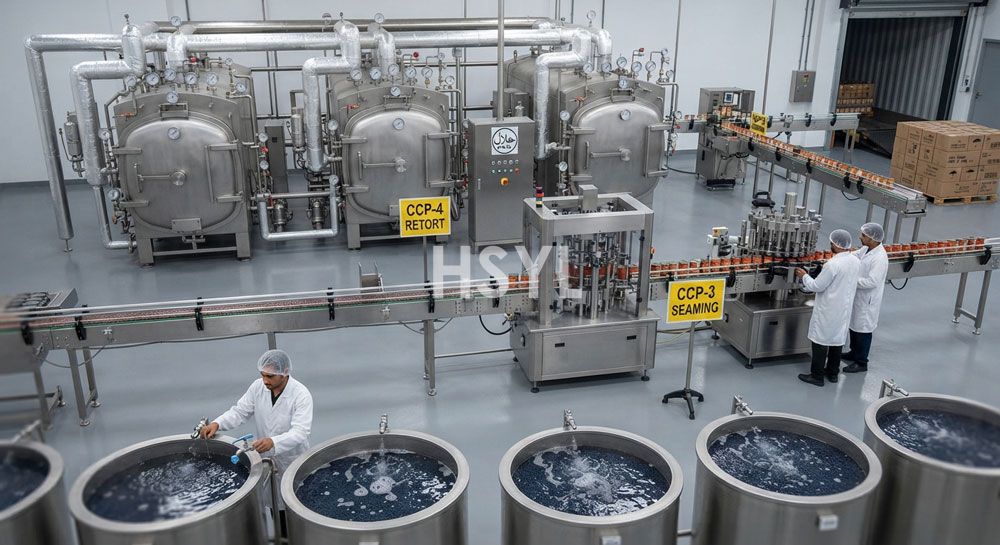
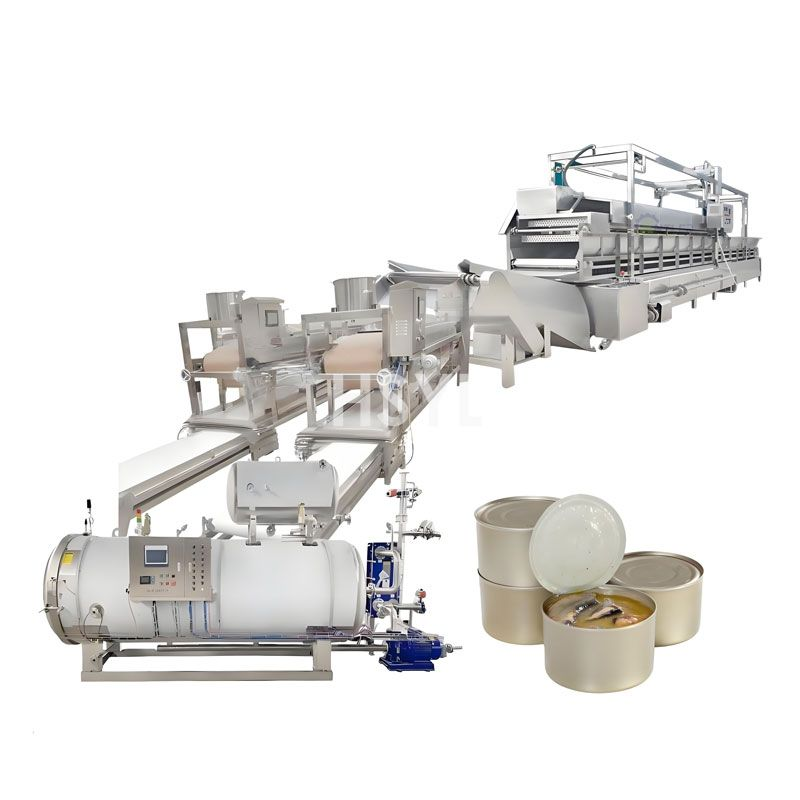
The HSYL wet pet food line page describes the thermal-processing interface without prescribing a product schedule. Discuss the equipment boundary with HSYL, then confirm process responsibilities with the qualified specialists for the product and market.
Frequently Asked Questions
Is there one F0 value for all canned pet food?
Does buying a retort validate the canned pet food process?
Which FDA rule applies to canned pet food in the United States?
Explore More Articles

Get professional consultation
Do you have any questions or need technical support regarding the content of this article? Fill out the form below, and our expert team will provide you with professional solutions.