
Chunks-in-gravy pet food filling should be specified as a product presentation, not just a machine label. The supplier needs to understand the solid pieces, the liquid portion, the intended can and the finished appearance before recommending a filling arrangement.
Define both portions separately
Describe the pieces: their form, consistency and the range of sizes expected in the sample. Describe the gravy separately, including how it is prepared and held before filling. Identify whether the product contains other additions and how the factory expects the pieces and liquid to appear in the finished can.
Provide the target net content, can and end drawings, recipe variants and expected operating sequence. If the formulation is still in development, mark those details as provisional.
Map the product feed and sequence
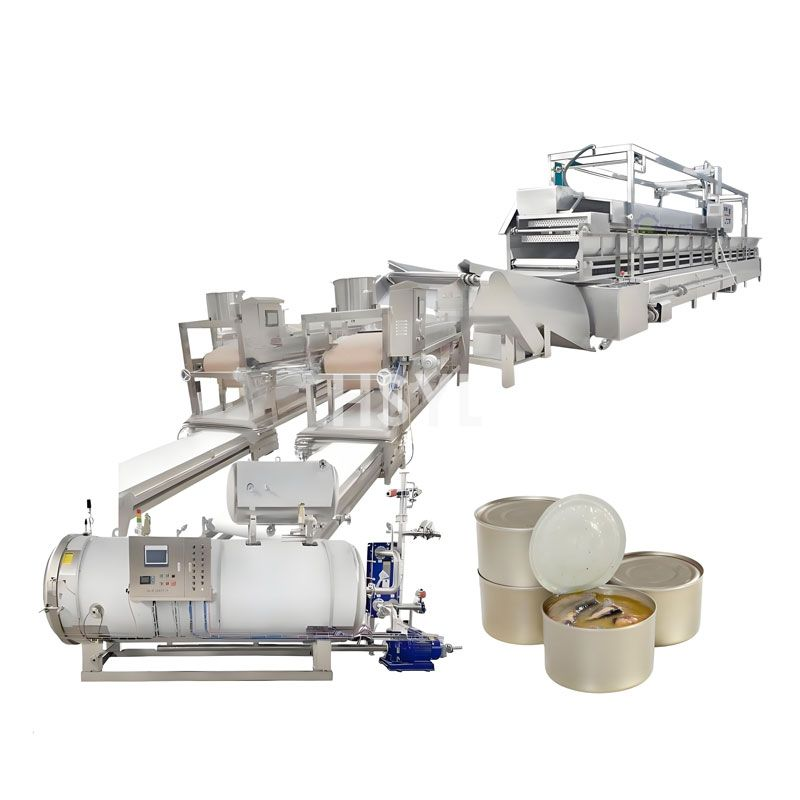
Show where the solid and liquid streams originate and how they reach the filling section. Ask the supplier to state the proposed sequence and explain which parts of the configuration are based on a trial, an existing specification or an assumption. Include the transfer route, holding arrangements and operator access.
Agree what a representative trial must show
- Use the planned can and representative product wherever possible.
- Assess the piece presentation and liquid addition against written observations.
- Check the fill and closure area under the agreed test conditions.
- Record product left in the equipment and how the line is cleared or cleaned.
- List any recipe or package variants that were not tested.
Do not treat a smooth mixture trial as evidence for a product with pieces. Similarly, a run using a substitute liquid does not establish the behavior of the production gravy.
For each sample, record whether the solid and liquid were prepared and delivered as expected, the order in which they were introduced and the finished appearance reviewed by the team. If the recipe uses multiple piece types, list those tested separately. The record should make clear which product configuration the result describes.
Ask how the equipment will be cleared between a product trial and the next scheduled run. Include the plant's changeover and cleaning review in the discussion rather than assuming a short demonstration represents a production changeover.
Coordinate filling with the rest of the line
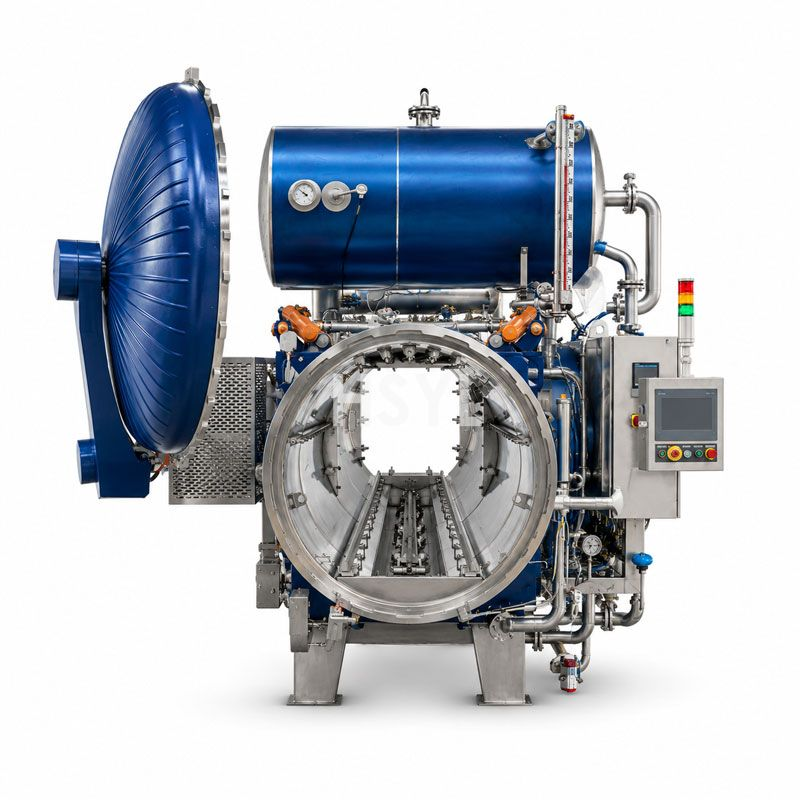
Confirm that the closing equipment is reviewed for the proposed can and end and that the post-closing route is defined. The thermal-processing section is a separate interface: process conditions need product-specific development and review by the responsible qualified personnel.
The HSYL wet pet food canning page calls for product texture, particle information, can drawings and target output. Send those inputs with the trial request so the proposal can identify its assumptions and open questions.
Put the agreed basis into the quote
Attach the product description, can revision, trial observations, included equipment and acceptance criteria to the quotation. That record helps the product, engineering and procurement teams review the same configuration.
Frequently Asked Questions
What should I specify for chunks-in-gravy filling equipment?
Should the solid and liquid portions be included in the same trial?
Does filling equipment determine the retort schedule?
Explore More Articles

Get professional consultation
Do you have any questions or need technical support regarding the content of this article? Fill out the form below, and our expert team will provide you with professional solutions.