
Product transfer for a wet pet food line begins with the material the filler must receive. A pump or conveyor recommendation made without a representative sample and route information is only a preliminary assumption. Product structure, the transfer distance, layout and cleaning method all belong in the review.
Describe the material at the point of transfer
For each recipe, state whether the product is a smooth mixture, contains visible pieces or combines solids and liquid. Note the expected condition when it reaches the filler and how long it may wait between preparation and filling. Include any planned product variants and how often they will change.
Give the supplier the route, not just the destination
Show where the product is prepared, where it is held and where it enters the filling equipment. Include the route length, elevation changes, available access and any existing transfer equipment. Identify who supplies the pipes, hoses, pumps, controls and cleaning connections.
These details help an engineer review the complete handoff. They also make it easier to spot gaps between an upstream preparation vessel and a downstream filler.
Use a trial to answer a specific question
Bring a representative sample and define what the trial should evaluate: feed continuity, product appearance after transfer, handling of pieces, material retained in the line or access for cleaning. Record the sample, configuration and observations. If a substitute product is tested, state the limitation in the result.
Do not assume that one transfer method will work across all recipes. If formats differ, ask the supplier to review the relevant samples and identify any separate configuration or changeover requirements.
Ask the trial team to record where the sample enters and exits, what fittings or contact parts are used and how the equipment is cleared afterward. Include interruptions and recovery steps in the notes. Those details help the factory decide whether the proposed transfer arrangement fits its production sequence and cleaning resources.
If product preparation is supplied by another vendor, ask both parties to review the inlet specification and control responsibility. Confirm who owns the holding vessel, transfer connection and signal that releases product to the filler.
Make cleanability part of the design review
Ask how product-contact components are accessed, removed or cleaned under the plant's procedures. Identify the cleaning method, connections, drainage and responsibility for the process. Avoid describing equipment as CIP-capable or suitable for a particular cleaning chemical unless the supplier confirms that claim for the quoted model.
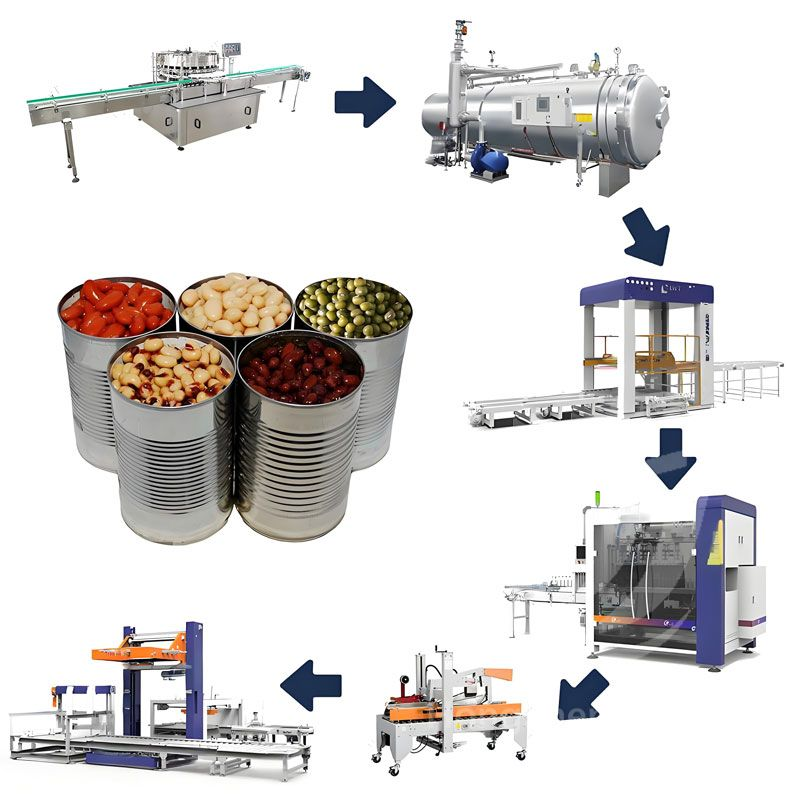
The wet pet food canning scope page recommends reviewing the product, transfer route and cleaning access together. Send the product and line layout to HSYL for a project-specific discussion.
Record the handoff in the equipment schedule
State the inlet and outlet points, product information used for selection, trial basis, controls and excluded items. Keep open questions visible until the product and site teams have closed them. That makes the transfer section reviewable during quotation, installation and commissioning.
Frequently Asked Questions
Can I choose a pump from the product name alone?
What should a transfer trial measure?
Can one pump handle all wet pet food recipes?
Explore More Articles


Get professional consultation
Do you have any questions or need technical support regarding the content of this article? Fill out the form below, and our expert team will provide you with professional solutions.