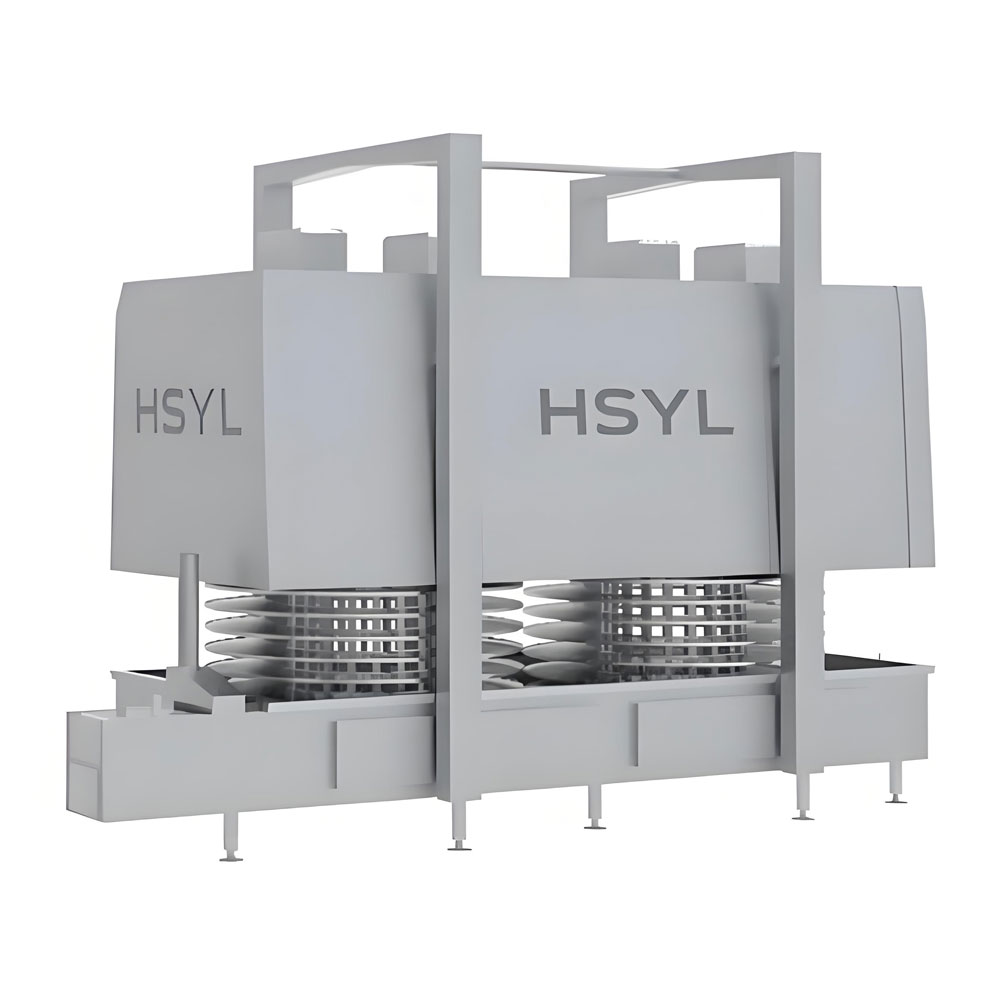
Spiral Oven Capacity: Belt Loading and Accepted Output
Assess spiral oven capacity through product spacing, belt loading, process condi...


Manufacturer of industrial Pickled Gherkin Processing Lines for cucumber washing, pickling, fermentation, and pasteurization. Custom-engineered solutions for food factories and export processors.
A Pickled Gherkin Processing Line is an integrated industrial production system designed for the large-scale washing, grading, pickling, fermentation, pasteurization, and packaging of gherkins and pickled cucumbers. This complete processing line is engineered for food factories seeking consistent product quality, stable texture, high hygiene standards, and scalable output for domestic distribution and export markets.
This solution is developed for industrial food processors, vegetable processing plants, export-oriented pickle manufacturers, and OEM/ODM suppliers producing jarred, bottled, or bulk-packed pickled gherkins. Typical finished products include whole gherkins, sliced cucumbers, spears, chips, and specialty pickled cucumber formats for retail, foodservice, and private-label applications.
The Pickled Gherkin Processing Line operates as a continuous or semi-continuous system, integrating multiple processing stages into a controlled and repeatable workflow. Each section of the line is designed to protect cucumber structure while ensuring food safety and production efficiency.
Raw gherkins enter the line through receiving and inspection, followed by gentle washing to remove soil, debris, and field contaminants. Size grading systems classify cucumbers to ensure uniform downstream processing. Controlled pre-treatment and curing stages manage salt and acid penetration, preparing the product for fermentation or direct pickling.
Fermentation or pickling tanks maintain stable temperature, salinity, and residence time to achieve consistent flavor and texture. Thermal processing modules such as pasteurization ensure microbiological safety without compromising product firmness. Final cooling, draining, and packaging integration complete the line, delivering ready-to-pack pickled gherkins with stable quality.
Industrial cucumber pickling presents several operational and quality challenges that traditional or fragmented equipment cannot reliably address.
Labor costs increase significantly when washing, sorting, and handling rely on manual operations. Yield loss occurs due to mechanical damage, over-processing, or inconsistent curing conditions. Hygiene risks arise from open tanks, difficult-to-clean equipment, and uncontrolled cross-contamination points.
Inconsistent texture, flavor, and appearance are common when fermentation and pickling parameters vary between batches. Capacity limitations prevent factories from scaling production without sacrificing quality. The Pickled Gherkin Processing Line addresses these issues by integrating controlled, hygienic, and automated processing into a single engineered system.
The Pickled Gherkin Processing Line is built with industrial reliability and food-grade engineering at its core.
Low-impact washing and conveying systems reduce physical damage to cucumbers. Adjustable spray pressures and flow rates allow adaptation to different raw material conditions. Precision grading equipment minimizes size variation, improving pickling uniformity.
Enclosed pickling and fermentation tanks provide stable process control, reducing environmental influence on product quality. Thermal processing modules are designed for validated time-temperature profiles to protect texture while ensuring safety. Modular construction allows easy integration with filling, capping, and packaging systems.
All critical components are engineered for long service life, stable operation, and compatibility with continuous production environments.
The Pickled Gherkin Processing Line is suitable for a wide range of cucumber-based products and industrial scenarios, including:
Whole pickled gherkins for glass jars or cans
Sliced or diced pickled cucumbers for foodservice
Low-salt or clean-label pickled products
Fermented cucumber products with extended shelf life
Private-label and OEM pickle manufacturing
The line supports both traditional fermentation-based pickles and vinegar-based quick pickling processes, depending on market and regulatory requirements.
The Pickled Gherkin Processing Line can be configured for different production scales and factory layouts.
Typical capacities range from small-to-medium industrial lines for regional processors to high-capacity continuous systems for export-focused plants. Line configurations may include batch fermentation tanks, semi-continuous curing systems, or fully continuous pickling solutions.
Equipment modules can be arranged inline or in parallel to accommodate multiple product sizes or recipes. Future expansion is supported through modular design, allowing capacity increases without complete line replacement.
Food safety and sanitation are fundamental to the design of the Pickled Gherkin Processing Line.
All product-contact components are manufactured from SUS304 or SUS316 stainless steel, depending on process requirements. Smooth surface finishes, hygienic welds, and open-frame structures facilitate effective cleaning and inspection.
The system follows HACCP-oriented design principles, minimizing contamination risks and enabling clear control points. CIP-ready configurations can be incorporated to reduce downtime and manual cleaning labor while ensuring repeatable sanitation results.
Automation is a key advantage of the Pickled Gherkin Processing Line.
Automated washing, grading, and conveying significantly reduce manual handling. Centralized control systems allow operators to monitor and adjust process parameters such as temperature, salinity, and residence time from a single interface.
This automation reduces dependency on skilled labor, lowers operator error rates, and improves batch-to-batch consistency. Factories benefit from improved throughput, predictable output, and more efficient workforce allocation.
Every Pickled Gherkin Processing Line is engineered based on the client’s raw material characteristics, product specifications, and factory conditions.
Customization options include tank sizing, material selection, automation level, and integration with upstream or downstream equipment. Engineering support covers process layout, utility planning, and commissioning assistance.
This system-level approach ensures that the processing line performs reliably under real production conditions rather than theoretical specifications.
The Pickled Gherkin Processing Line is designed in accordance with internationally recognized standards and food safety principles.
Equipment complies with CE machinery safety requirements where applicable. Hygienic design supports HACCP implementation and compatibility with ISO 22000, BRC, or similar food safety management systems. Food-contact materials and construction principles align with FDA and EU regulatory expectations for food processing equipment.
These compliance considerations support export certification, customer audits, and long-term regulatory confidence.
Selecting the right Pickled Gherkin Processing Line is a critical decision that affects product quality, operational stability, and long-term scalability. Our engineering team works directly with food processors to design processing lines that match raw material conditions, target markets, and factory constraints.
For technical consultation, line configuration discussions, or customization inquiries related to a Pickled Gherkin Processing Line, contact our team to explore a solution tailored to your production goals.


Assess spiral oven capacity through product spacing, belt loading, process condi...
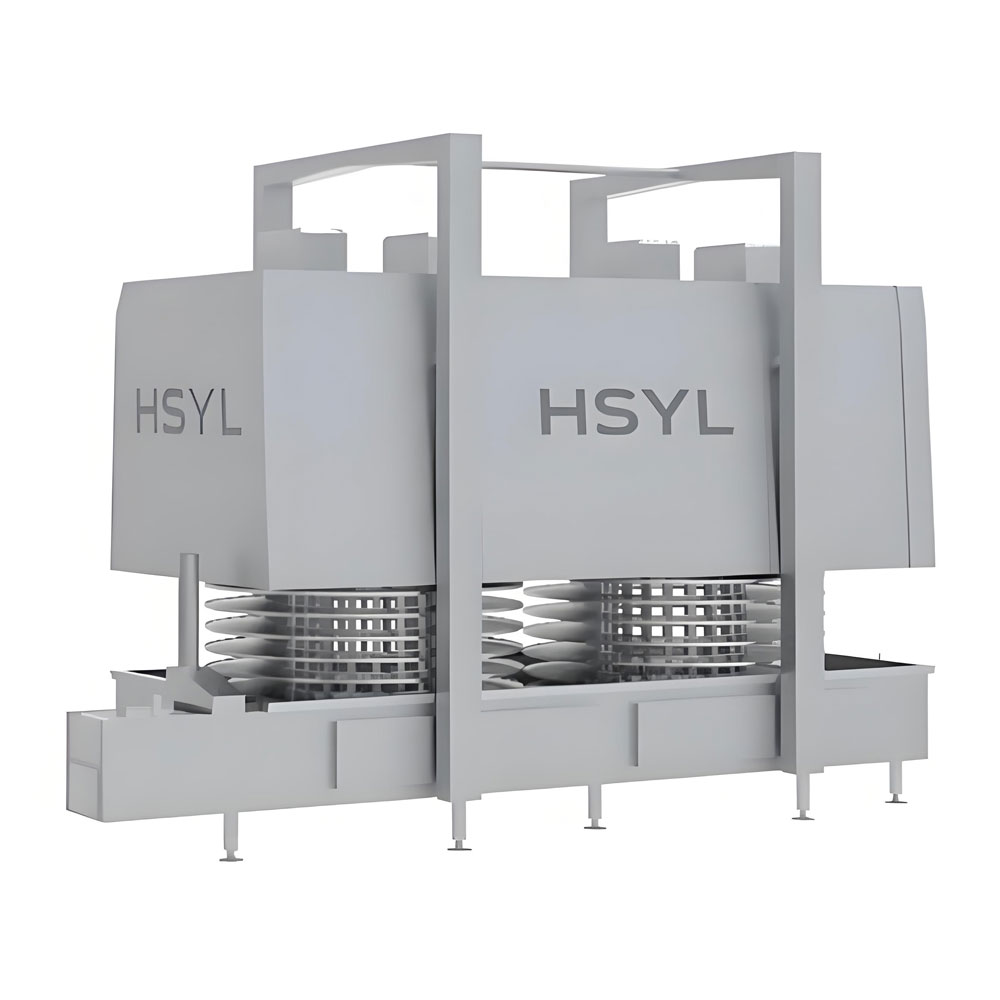
Map spiral oven cleaning across belt surfaces, returns, supports and product rou...
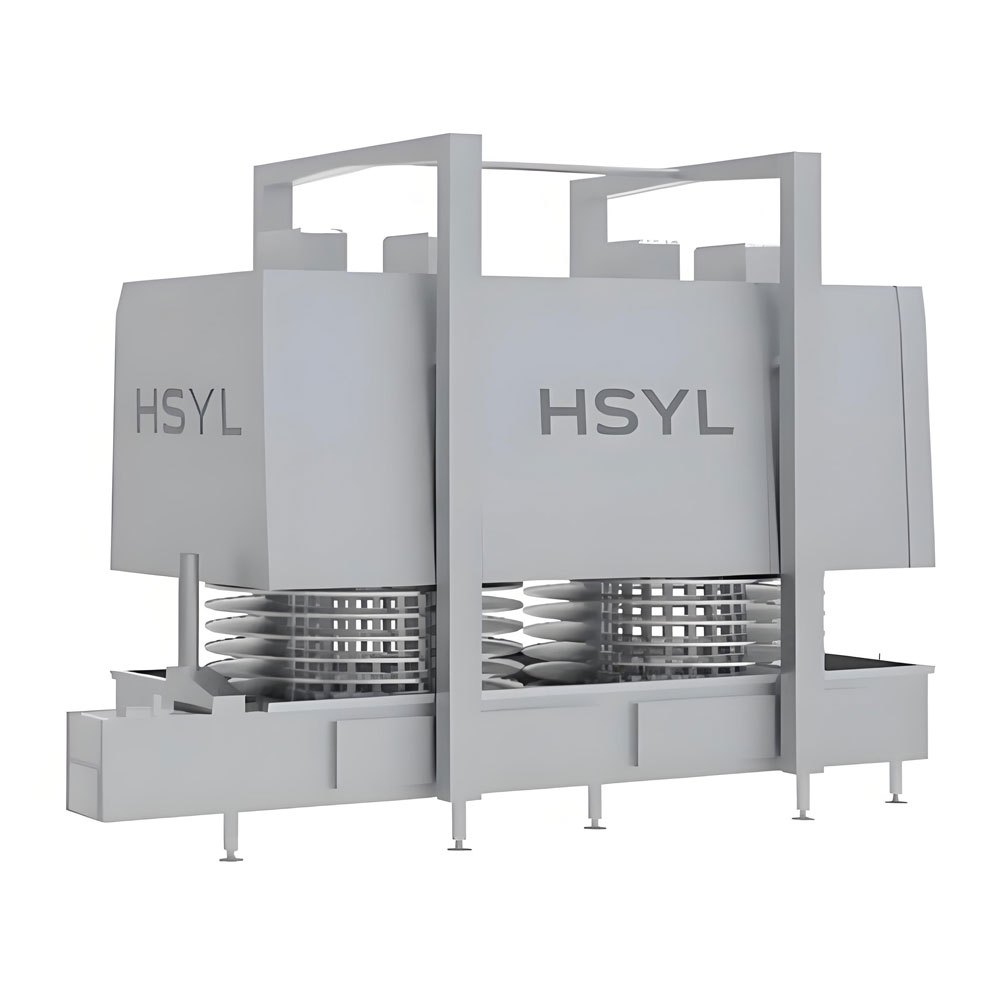
Compare spiral and tunnel oven proposals on the same product, quality target, fa...
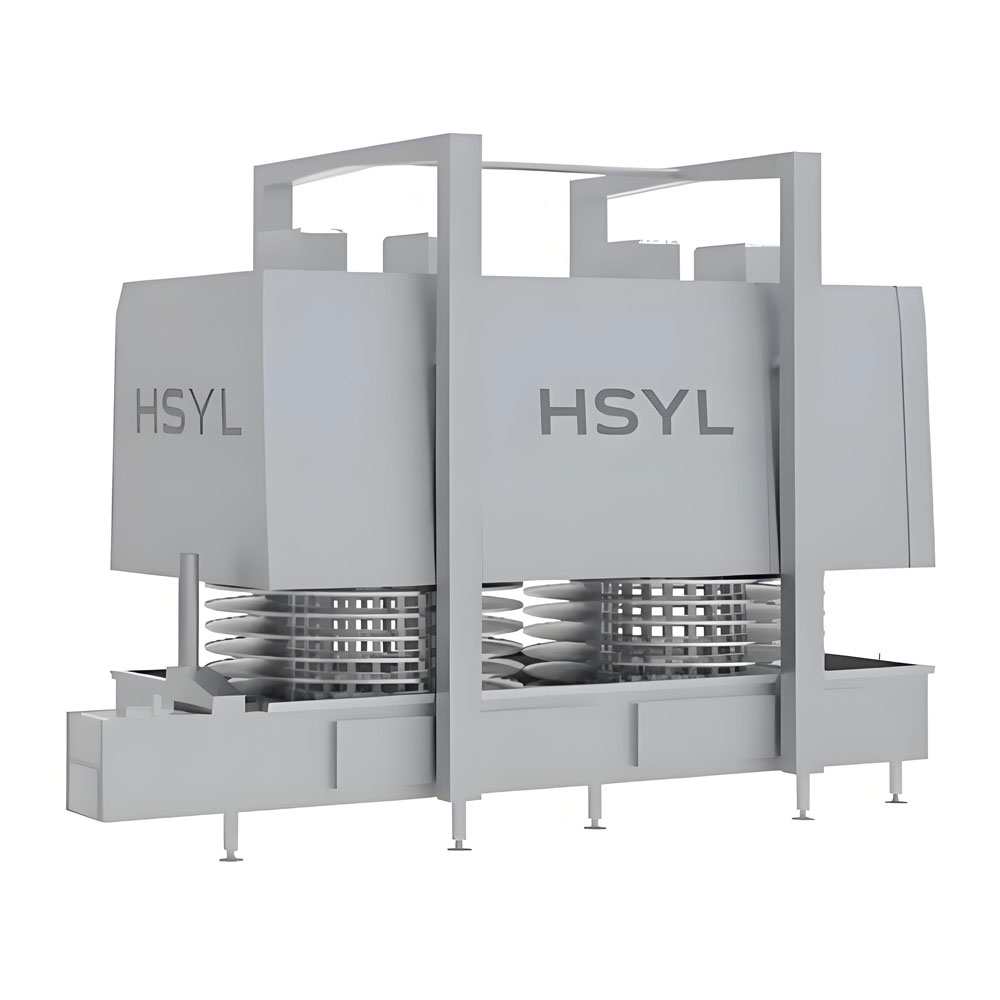
Coordinate spiral oven services from the heating configuration, exhaust and conn...