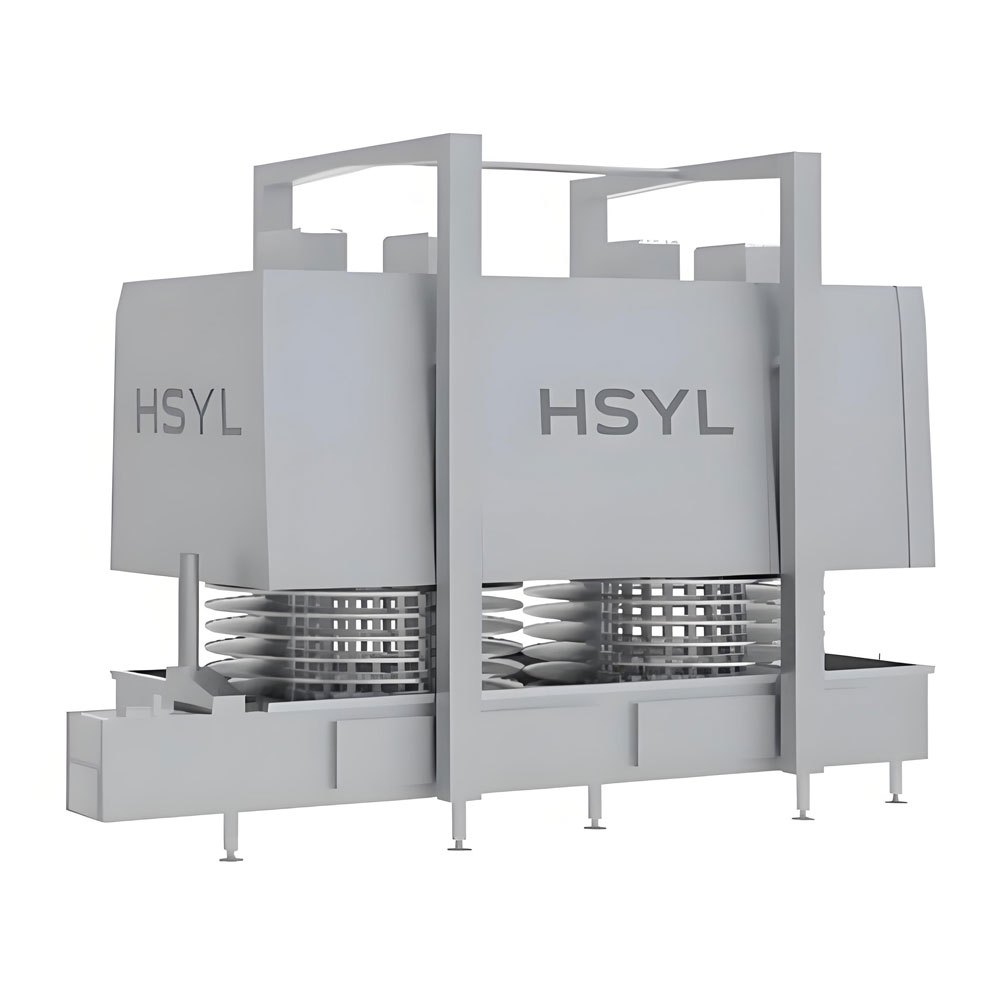
Spiral and tunnel oven proposals should be compared on the same product duty and complete project boundary. Their layouts differ, but a footprint comparison alone does not establish which arrangement produces the required quality or fits the factory's operating program.
Use the spiral oven proposal as one defined configuration and obtain an equally specific alternative. Do not invent tunnel-oven specifications or assume that a supplier offers both arrangements without confirmation.
Fix the same product question
Provide formulation, product dimensions, input condition, intended quality and production program to both bidders. Use qualified product requirements for any process-critical duty. If the two offers use different assumptions, reconcile them before comparing headline capacities.
- Product result. The same defined acceptance requirements.
- Output. Accepted production over an equivalent period.
- Site fit. Current equipment, access and service drawings.
- Operating work. Loading, receiving, cleaning and changes.
- Commercial scope. Included modules, site work and exclusions.
Review the complete installation space
Consider height, access, maintenance routes, service interfaces and product transfers with the responsible site specialists. A compact equipment outline may still need substantial surrounding space. A long equipment outline may interact differently with existing factory flow.
Use current supplier-approved information rather than scaling dimensions from a marketing illustration. The factory planning guide provides related coordination questions. Keep building assumptions and unresolved coordination questions visible.
Compare operation and cleaning
Observe or obtain evidence for the relevant tasks on each proposed arrangement. Include product changes, authorized access and the cleaning regime required by the factory. Similar material descriptions do not establish equivalent cleanability.
The cooking and baking equipment category provides context for the wider route, but the comparison should remain tied to the two actual offers and the intended product.
Decide from demonstrated suitability
Use representative trials where practical and report results by measure. Product quality, accepted output, installation work and operating tasks may point to different tradeoffs. Avoid turning one advantage into a universal superiority claim.
Keep actual commercial terms and estimated operating inputs labeled. The decision file should explain the selected arrangement and the evidence supporting it, including products or conditions that remain untested.
Frequently Asked Questions
Is the smaller equipment footprint always the better choice?
Can supplier capacity figures be compared directly?
Related Articles


Get professional consultation
Do you have any questions or need technical support regarding the content of this article? Fill out the form below, and our expert team will provide you with professional solutions.