Compressed-air requirements in a canning line should be defined at the points of use. Different duties can involve different demand patterns and product-contact questions. A compressor's rated output alone does not establish the condition delivered to every machine.
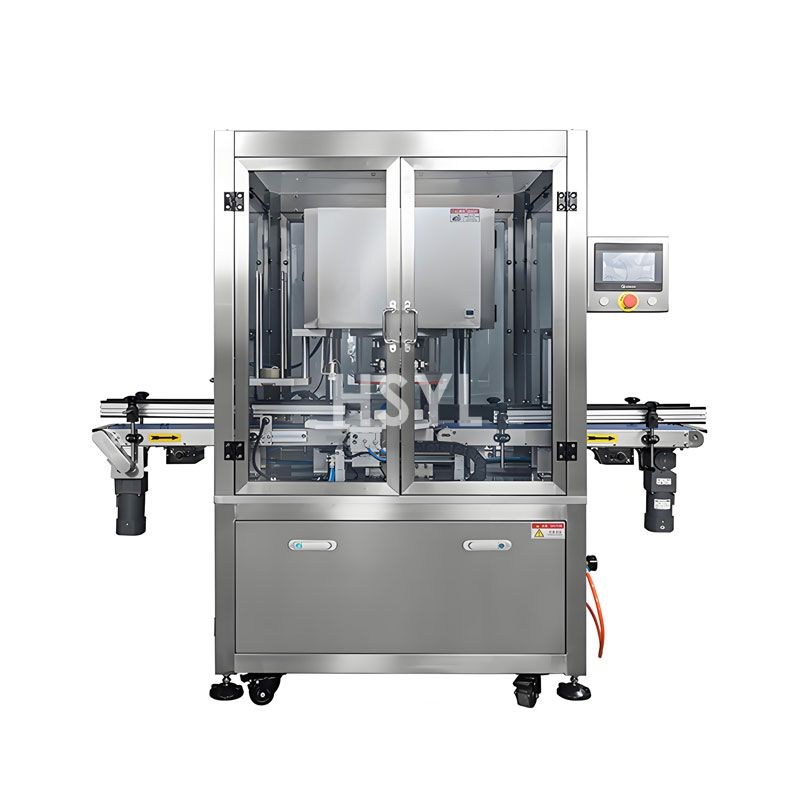
For each proposed module, including the can seaming configuration, obtain the actual supply requirements from the supplier. Do not infer pressure, flow or air-quality limits from a general equipment category.
Build a point-of-use register
Identify the equipment, function and whether air can contact product, containers or another relevant surface. Keep direct-contact and other uses distinguishable for the technical and hygiene review. Identify any unknown contact route as an open question.
| Register field | Why it matters |
|---|---|
| Equipment and function | Defines the actual use |
| Demand information | Supports supply and distribution review |
| Contact classification | Directs the quality assessment |
| Treatment and monitoring | Connects the approved requirement to evidence |
| Responsibility | Assigns machine and site-service scope |
Review demand at operating conditions
Ask suppliers to explain the basis of stated consumption and any startup, peak or intermittent demand relevant to the duty. Coordinate simultaneous uses with qualified site personnel rather than adding unrelated nominal figures without interpretation.
Keep pressure and flow requirements at the equipment connection distinct from the compressor or header specification. The installed distribution arrangement needs its own review.
Define air quality for the application
Product and hygiene specialists should establish the appropriate quality and verification basis for each relevant use. Ask how treatment, maintenance and point-of-use evidence support that requirement. This article does not prescribe a universal filter arrangement or quality class.
The canning hazard-analysis guide provides the wider context for identifying relevant hazards and controls. A compressed-air equipment label alone is not food-safety approval.
Close installation responsibilities
Assign distribution piping, connection points, treatment, monitoring and maintenance boundaries. Confirm the supplied configuration in the written offer and retain the approved service schedule.
Before trials, verify the installed arrangement using competent personnel and the approved requirements. Keep findings connected to the machine and use they affect. A nearby air outlet is not sufficient evidence of readiness.
Frequently Asked Questions
Can all machines use one assumed air-quality specification?
Does compressor capacity prove adequate supply at the machine?
Related Articles



Get professional consultation
Do you have any questions or need technical support regarding the content of this article? Fill out the form below, and our expert team will provide you with professional solutions.