Canning equipment energy use should be measured against a clear equipment boundary and production basis. Energy per accepted pack can support comparison, while a single running-power value may exclude startup, idle periods, cleaning or rejected product.
The canning equipment ownership-cost guide provides the wider commercial context. Begin this narrower measurement task by identifying which machines and energy sources are included.
Define the meter boundary
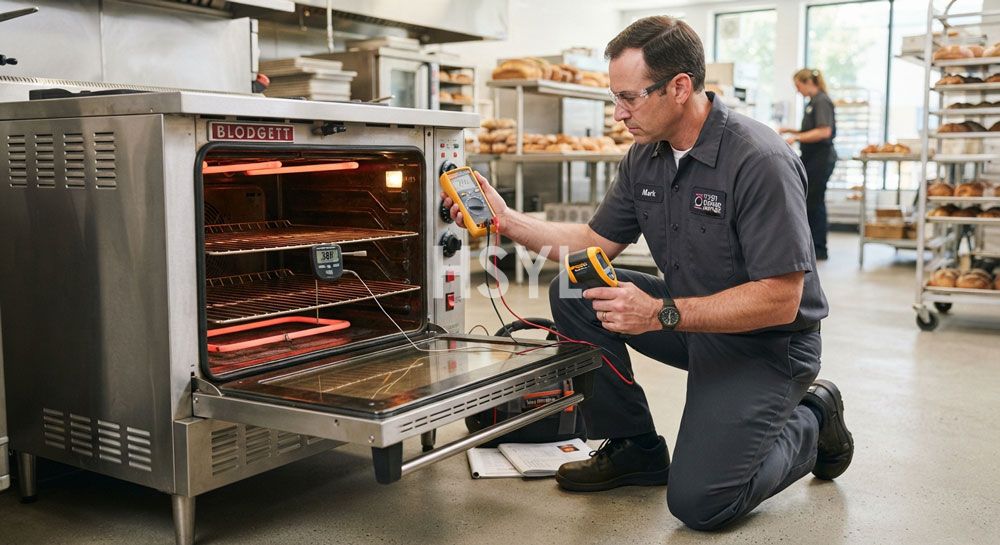
List electrical, thermal and other relevant energy inputs to the selected equipment group. Identify shared services and explain how their use is measured or allocated. Keep utility units and conversion methods explicit rather than adding unlike readings together without a basis.
| Record | Purpose |
|---|---|
| Equipment scope | Identifies the measured system |
| Meter and units | Makes readings interpretable |
| Operating state | Separates startup, running, idle and cleaning |
| Product and format | Defines the duty being compared |
| Accepted output | Provides the production denominator |
Count the full selected period
Record start and end readings and the relevant events within the period. State whether the result covers a trial, a run or a complete shift. A steady-operation figure can be useful, but it should not be presented as the total energy of a different boundary.
Divide included energy by accepted output using the same product-quality definition. Keep gross production, rejects and rework distinguishable so that repeated processing is not hidden.
An electricity-only example
Suppose a hypothetical defined run uses 900 kilowatt-hours of measured electricity and produces 30,000 accepted cans. The electricity figure is 0.03 kilowatt-hours per accepted can. These numbers are arithmetic examples, not HSYL energy data or a customer case.
If steam is outside that meter boundary, the result must remain labeled electricity-only. It is not total process energy. Likewise, a result that excludes tank heating or cleaning cannot be compared directly with a complete-shift measurement that includes them.
Compare like duties
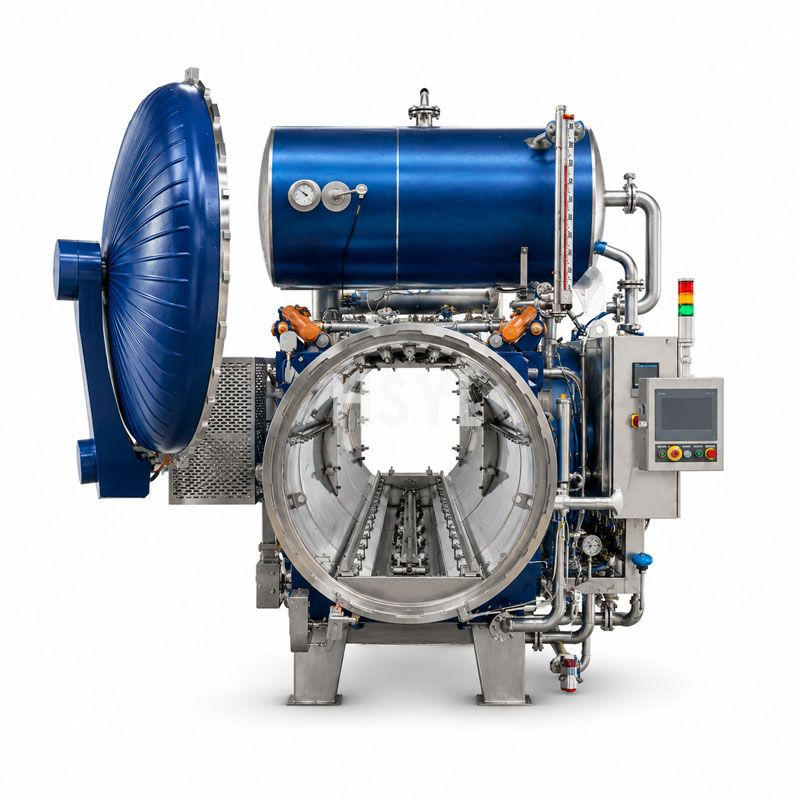
For a retort-related energy review, retain the actual product, load arrangement and approved operating basis. Do not alter a process-critical condition merely to improve a consumption figure.
Product mix, loading and service conditions can affect the comparison. Describe these differences before interpreting a change as an equipment improvement. Supplier estimates should remain labeled as estimates until supported by appropriate measurement.
Use the result in a decision
Keep the raw readings, calculation, assumptions and limitations together. Apply actual tariffs and commercial terms only where a cost comparison is needed. Do not invent a universal saving or payback from an unmeasured baseline.
A useful energy statement identifies the duty and boundary as clearly as the number. That makes it possible to compare offers, investigate operating changes and repeat the assessment on consistent terms.
Frequently Asked Questions
Is installed power the same as measured consumption?
Should rejected product be counted as accepted output?
Can different utilities be combined into one figure?
Related Articles



Get professional consultation
Do you have any questions or need technical support regarding the content of this article? Fill out the form below, and our expert team will provide you with professional solutions.