Spiral oven cleaning should be reviewed along the complete relevant belt and product route. Multiple levels and enclosed areas make it important to identify how authorized personnel reach, inspect and clean the required surfaces on the actual configuration.
Use current instructions for the offered spiral oven. A stainless construction claim or a product illustration does not establish access, removable parts or suitability for a particular wet or dry cleaning method.
Map the cleaning scope
Identify relevant belt surfaces, returns, supports, guides, collection points and adjacent product transfers. Record residues associated with the intended product program. Include components removed under the approved procedure and the route used to handle them.
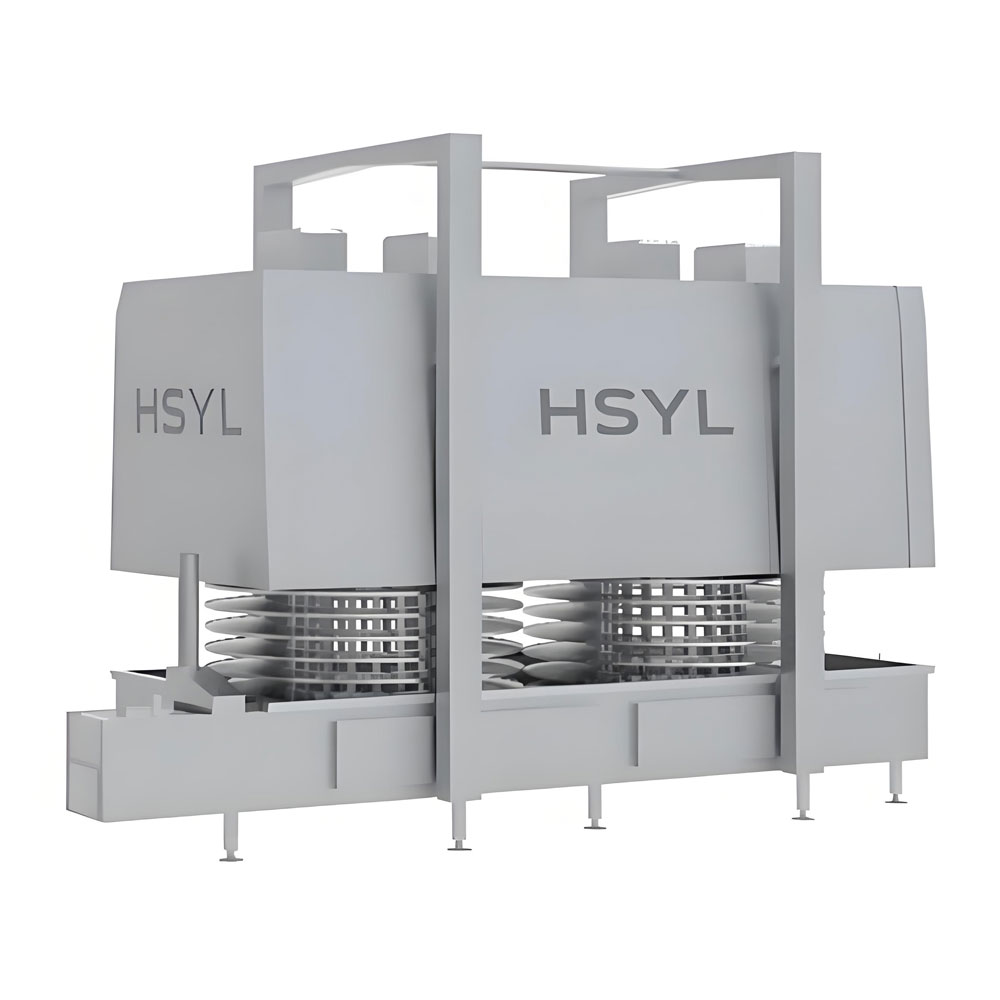
- Surface map. Identified locations and product-related residues.
- Safe access. Approved isolation, cooling and access arrangements.
- Method compatibility. Supplier and factory-approved procedures.
- Verification. Defined assessment and response.
- Restart. Required assembly and readiness checks.
Establish safe access and conditions
Cleaning must follow the manufacturer's instructions and the site's authorized safe-work arrangements, including relevant thermal and energy hazards. OSHA's hazardous-energy overview provides general background; the installation requires its own approved procedures.
Do not assume that access visible in a photograph is suitable for a cleaning task. Record unresolved access questions for competent design and procedure review.
Confirm the permitted cleaning method
Obtain compatibility information for belts, components, electrical areas and other affected parts. Do not infer that an oven can be washed down from its external material. The actual product, construction and manufacturer instructions determine the review needed.
The food conveyor cleaning guide supplies related task-mapping questions. A spiral oven adds its own configuration and thermal-access considerations, which must remain explicit.
Retain verification and readiness evidence
Use the factory's approved assessment methods and acceptance criteria. Keep difficult locations identifiable and record the response to unsatisfactory findings. Cleaning effectiveness and correct reassembly should be reviewed as related but separate requirements.
At handover, retain the surface map, current procedures and outstanding issues. Review the scope when products, belts, access arrangements or cleaning methods change. Do not claim that a general equipment hygiene feature validates every application.
Frequently Asked Questions
Does a stainless oven support every cleaning method?
Can one visible belt section represent the complete route?
Should cleaning release and restart checks be separate?
Related Articles



Get professional consultation
Do you have any questions or need technical support regarding the content of this article? Fill out the form below, and our expert team will provide you with professional solutions.