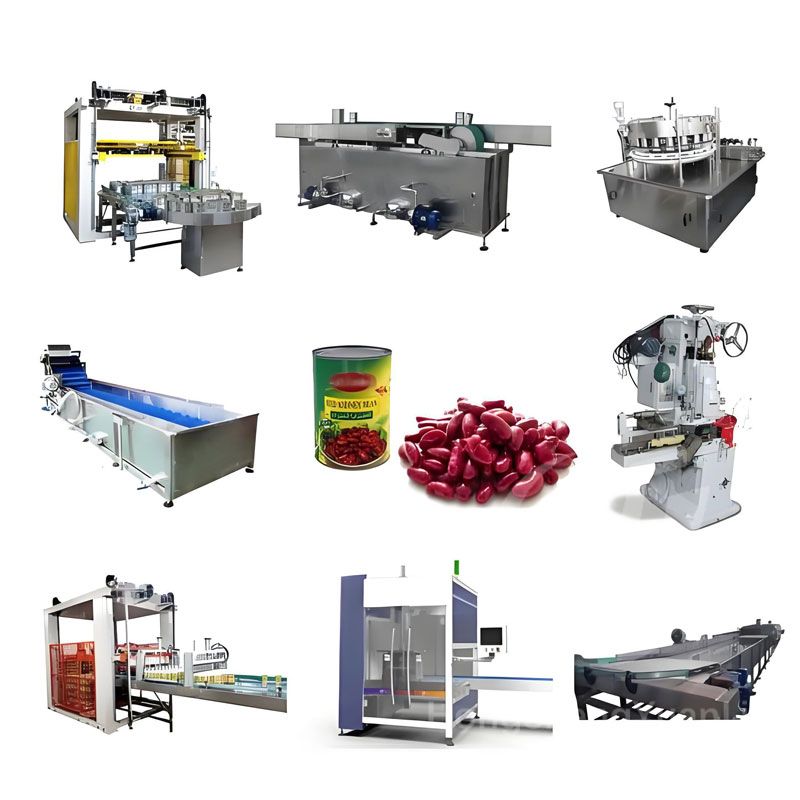
Rotary Tuna Flake and Oil Dosing System: Mass Flow Kinematics & Sizing
Engineering guide for Tuna Oil Doser focusing on mass flow kinematics & sizing: ...


Pineapple canning production line with automated coring, high flesh yield and vacuum syrup filling in SUS316L construction. Turnkey design and layout support.
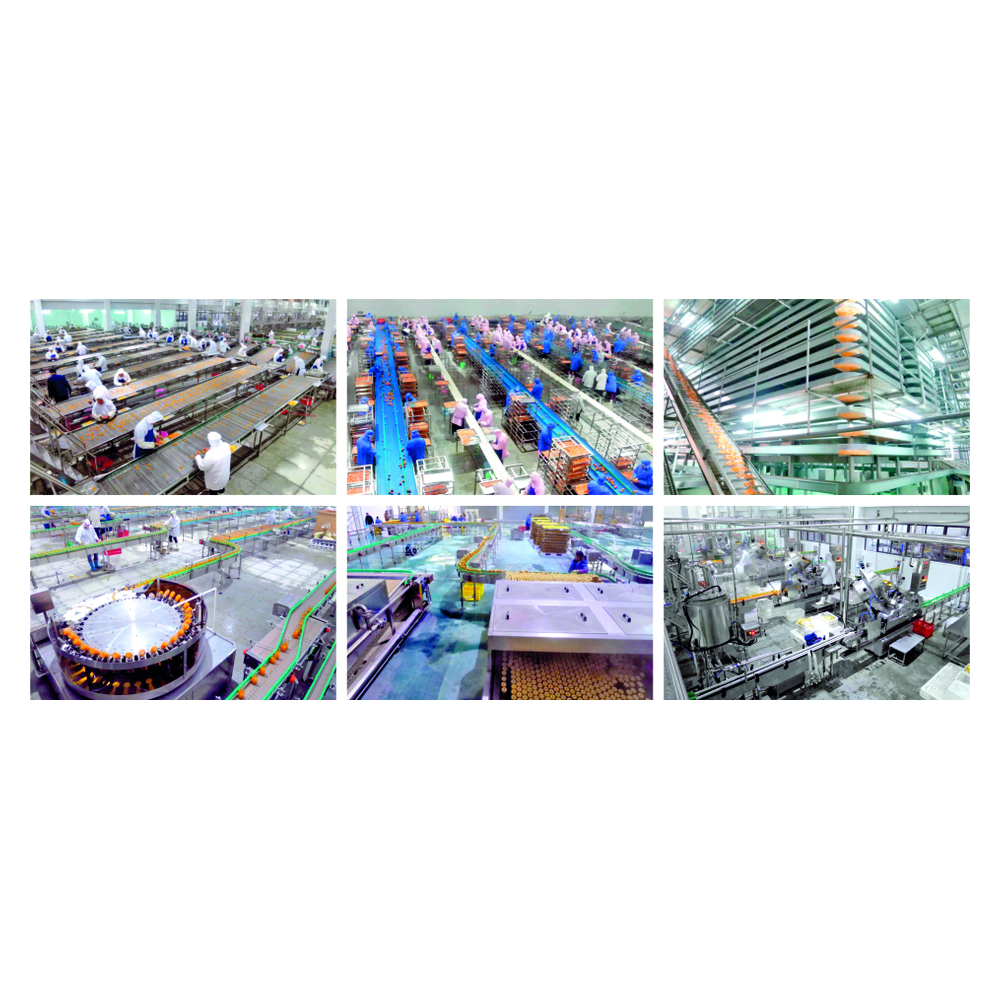
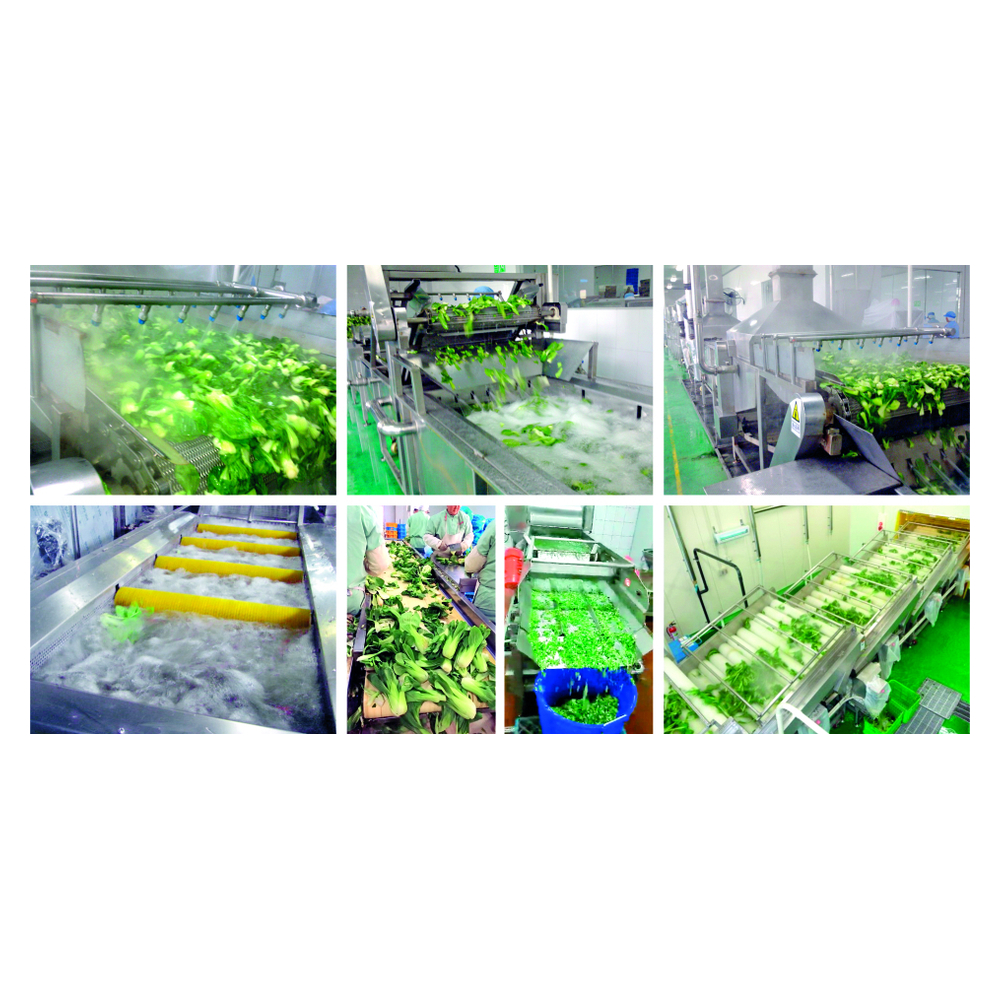
Commercial pineapple canning requires precise mechanical handling to navigate two primary engineering challenges: excessive flesh waste during the peeling and coring phases, and rapid equipment degradation caused by the high titratable acidity and bromelain enzymes present in the fruit juice. Our turnkey pineapple can food production line addresses these bottlenecks through automated pneumatic fruit centering, caliber-specific rotary blades, and extensive use of high-grade metallurgy. By synchronizing the physical preparation stages with vacuum syrup filling and hermetic double seaming, this system delivers continuous high-volume output while securing commercial sterility standards.For complete autoclave batch scheduling and facility sanitation planning, refer to our engineering overview on beef canned food production line.
The standard operational parameters below reflect continuous 12-hour shift deployment requirements. Steam and electrical consumption metrics encompass the entire turnkey flow, from hydrodynamic flume washing to final can drying.
| Model Series | Raw Fruit Capacity (kg/h) | Estimated Output (Cans/Min) | Total Power (kW/380V) | Steam Demand (kg/h) | Water Requirement (t/h) | Material Construction |
|---|---|---|---|---|---|---|
| PL-2000 | 2,000 | 60 - 80 | 48.5 | 450 | 3.5 | SUS304 / SUS316L |
| PL-5000 | 5,000 | 150 - 200 | 96.0 | 1,100 | 8.0 | SUS304 / SUS316L |
| PL-10000 | 10,000 | 300 - 400 | 165.5 | 2,200 | 15.0 | SUS304 / SUS316L |
Tropical fruit geometries vary drastically. Forcing uncalibrated pineapples through fixed-diameter processing heads results in shattered rings and severe financial loss. We configure the upstream line with mechanical grading rollers that distribute the fruit into corresponding processing channels.
At the mechanical core, the PL-Series utilizes a distributed Siemens PLC architecture, eliminating the single point of failure common in older centralized relay systems. The automated peeling heads are driven by high-torque IP65-rated servo motors. As the cutting blades engage the tough outer rind, load cells monitor rotational resistance, automatically adjusting the feed rate to prevent motor stalling or blade warping.
Once the sliced pineapple and syrup are combined, the tinplate cans index into the rotary double seaming station. This module employs titanium-coated seaming chucks and profiling rollers. Operating at up to 400 cans per minute on the high-capacity models, the rollers execute a five-layer interlock fold between the lid and the can body. A dedicated Human-Machine Interface (HMI) displays real-time seaming overlap tolerances, automatically diverting any can that fails to meet the strict hermetic pressure specifications required for shelf-stable acidic foods.
Pineapple processing facilities face extreme operational loads during peak harvest months. Plant machinery must run 24 hours a day, 7 days a week, with minimal maintenance windows. To support this relentless duty cycle, the PL-Series incorporates heavy-duty SKF bearings housed within hermetically sealed, self-lubricating blocks to prevent acid ingress.
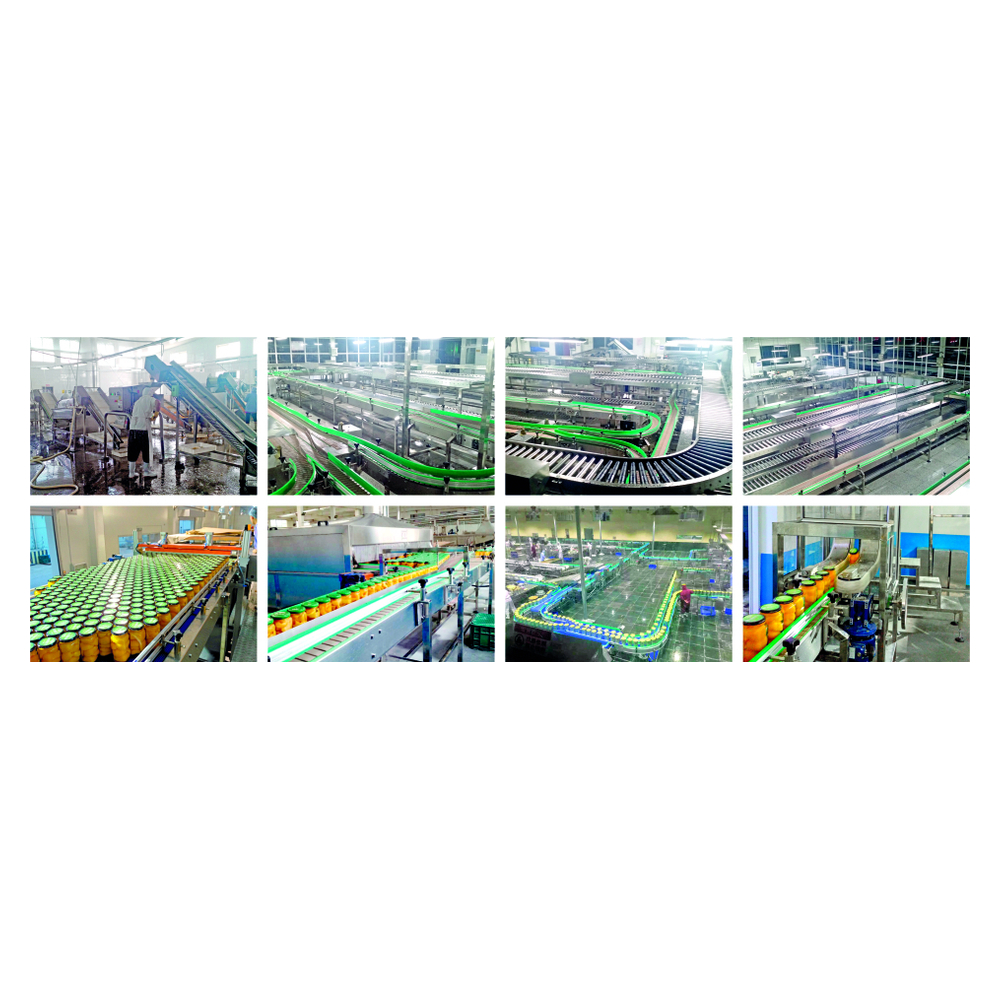
The entire modular conveyor network is constructed with an open-channel tubular frame. This architectural decision eliminates hidden corners where fruit fibers and sugary syrup typically accumulate, allowing sanitation crews to perform aggressive hot-water and chemical Clean-In-Place (CIP) washdowns rapidly during shift changes. Additionally, the volumetric fillers utilize quick-release clamps, enabling operators to dismantle, sanitize, and reassemble the dosing nozzles in under 30 minutes.
Exporting fruit processing systems to global markets necessitates strict adherence to food safety and electrical protocols. Every welding seam on our machinery undergoes argon-arc polishing to meet USDA and BRC sanitary directives. Electrical cabinets are isolated, cooled, and wired according to European CE standards to withstand the high-humidity environments typical of tropical processing zones.
Before any equipment leaves our manufacturing floor, it is subjected to a comprehensive Factory Acceptance Test (FAT). We utilize simulated high-acid, high-Brix mediums to stress-test the volumetric accuracy, verify the 165.5 kW load distribution, and validate the sealing integrity. Upon arrival at your facility, our international engineering technicians manage the physical installation, PLC calibration, and operator training to ensure your production line hits its designed throughput targets.
To obtain a customized technical quotation, request a detailed 3D factory layout drawing, or view operational videos of our PL-Series managing high-volume tropical fruit processing, please contact our engineering procurement team. We offer comprehensive turnkey consultations to adapt our machinery directly to your facility dimensions and seasonal production targets.


Engineering guide for Tuna Oil Doser focusing on mass flow kinematics & sizing: ...
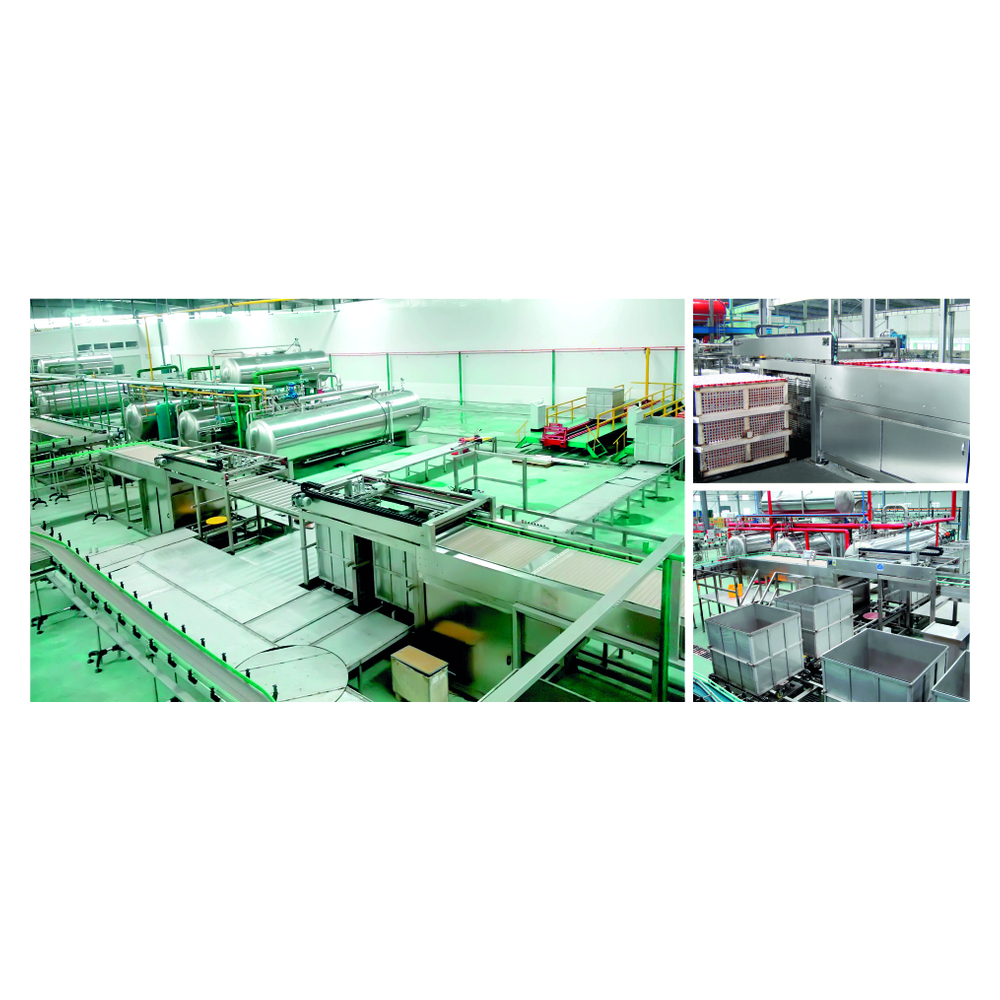
Engineering guide for Basket Shuttle Car focusing on mass flow kinematics & sizi...
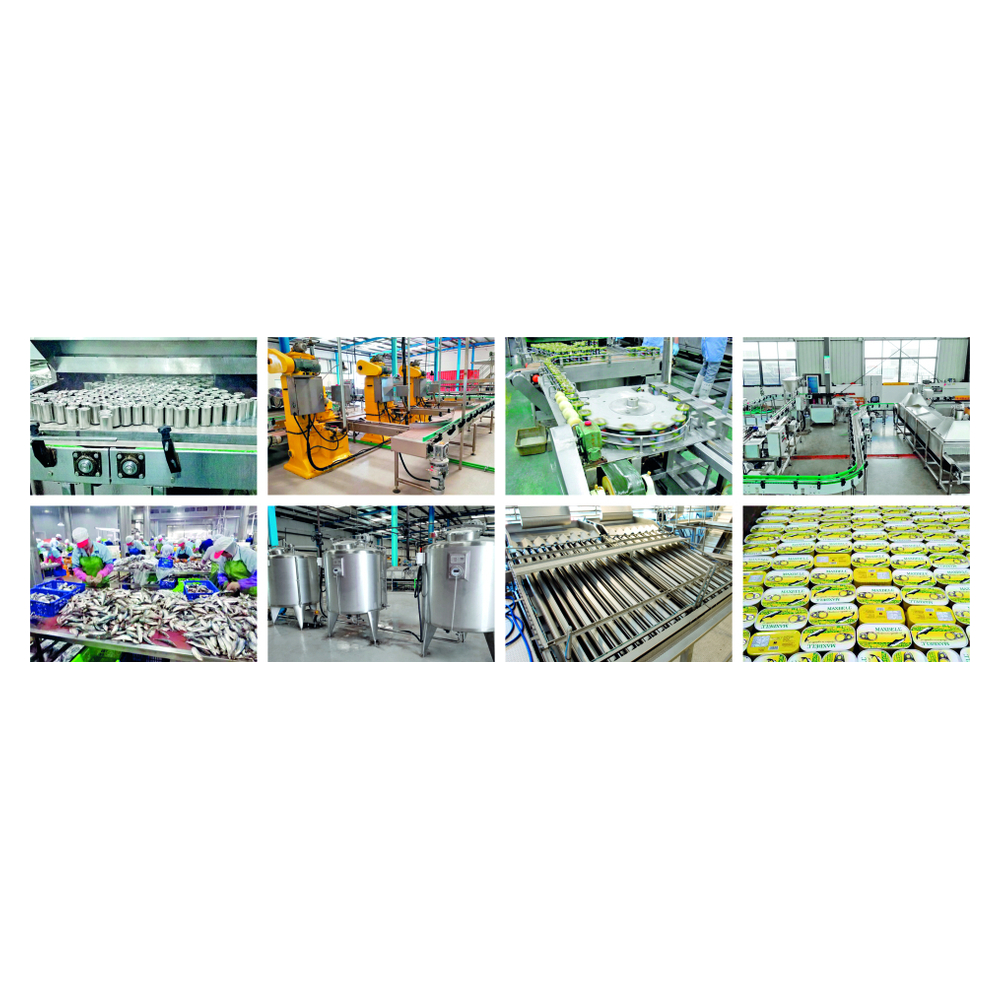
Engineering guide for Club Can Seamer focusing on mass flow kinematics & sizing:...

Engineering guide for Seam Stripping Gauge focusing on mass flow kinematics & si...