Fruit breakage should be traced through specific transfer points before it is assigned to a machine. Matched observations before and after a handoff can show where damage increases, while a finished-product sample alone cannot identify the location.
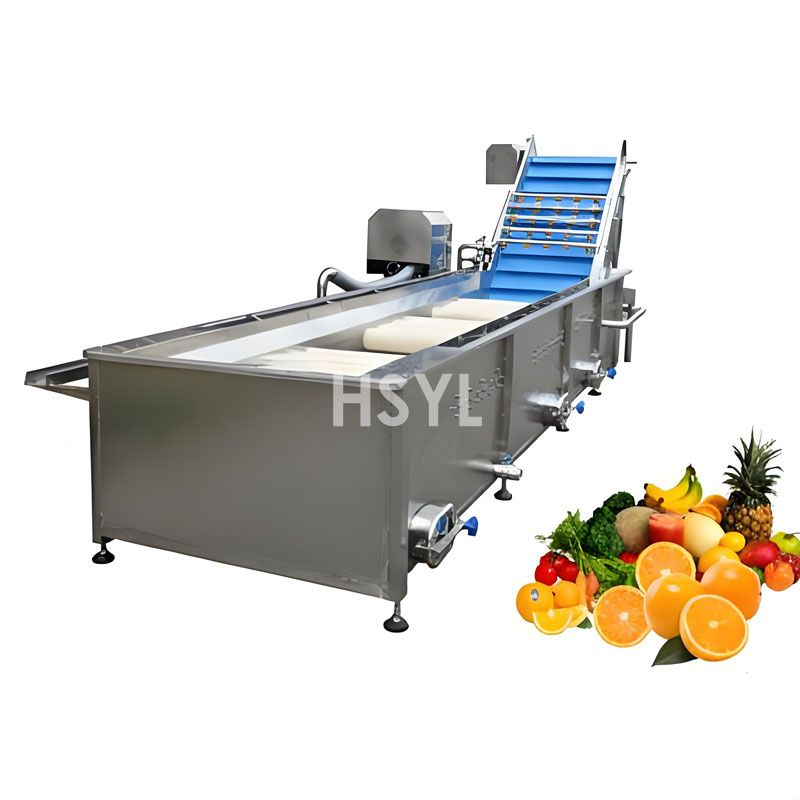
Map the actual fruit canning equipment route, including temporary collection, manual movement and returns. Treat these interfaces as part of production rather than limiting the review to the main machines.
Define damage and the incoming reference
Agree which observations count as accepted pieces, fragments, bruising or other relevant findings. Record the fruit lot, preparation state and condition entering the transfer. Keep existing damage visible so that it is not counted again as newly created loss.
- Material. Matching lot and product condition.
- Location. Defined points before and after the handoff.
- Timing. Samples connected to the same operating window.
- Method. Consistent damage and recovery assessment.
Observe more than the drop
Transfer behaviour can involve accumulation, uneven feeding, contact surfaces, orientation and manual correction. Record the actual event and location without assuming which feature caused the damage. Include normal stops or restarts where they are relevant to the intended operation.
Keep observations under safe authorized procedures. Investigation does not justify reaching into moving equipment or making unapproved adjustments.
Compare useful recovery
Use the agreed weighing and classification basis for both sample groups. Total material mass can remain similar while the share of accepted pieces falls. Report fragments and material needing further work separately rather than hiding them within one yield number.
The fruit preparation recovery discussion provides related context for distinguishing removal losses from handling damage. Preserve the boundaries used in each calculation.
Verify a proposed change
Have competent personnel assess any design or operating change, then repeat the relevant comparison with identifiable conditions. If several changes are introduced together, record that the trial cannot isolate their individual effects.
Retain the original and revised interface drawings or observations with the results. The accepted configuration should specify the demonstrated fruit range and operating basis, not a universal promise of damage-free handling.
Frequently Asked Questions
Can a final pack identify the damaging transfer?
Should small fragments be treated as total loss?
Can a lower transfer height guarantee no breakage?
Related Articles



Get professional consultation
Do you have any questions or need technical support regarding the content of this article? Fill out the form below, and our expert team will provide you with professional solutions.