Spinach canning presents a different handling problem from free-flowing vegetable pieces. Leaf condition, stem content, tangling and preparation can affect how material moves and fills. A bulk weight rate alone does not describe the product delivered to each container.
When reviewing a spinach canning line, define the actual leaf preparation and packing duty. Ask for the proposed configuration and trial method rather than assuming that a generic vegetable filler handles every leaf condition.
Describe the material entering the trial
Identify the lot, leaf and stem condition, preparation route and relevant product state. Use representative material from the intended operation. Keep heavily selected samples distinguishable from routine production material.
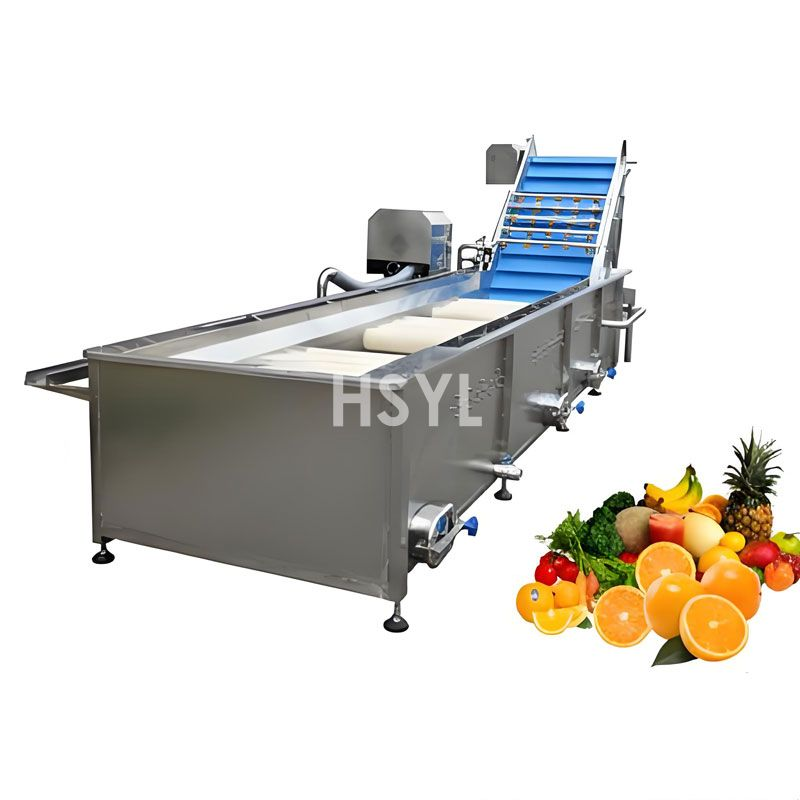
- Prepared leaves. What condition and variation enter handling?.
- Collection and transfer. Does tangling or accumulation change the feed?.
- Filling. How are leaves and any medium distributed?.
- Finished pack. Is the defined product condition achieved?.
Investigate the handling changes
Record accumulation, uneven presentation, manual spreading and visible damage at identified locations. Use matched sample groups where a comparison is needed. A problem appearing at the filler may originate in an earlier collection or transfer point.
Keep the assessment method consistent. Descriptions such as uneven or too compact need a defined reference if they are to support a procurement decision.
Trial the actual pack
Use the intended can-and-end combination and approved product basis. Examine total fill and distribution according to the factory's specification. Where the complete processed pack is assessed, retain the associated formulation and processing records.
The low-acid vegetable process-input guide explains why pack and formulation information must remain connected to qualified process work. This handling review does not establish a thermal schedule.
Record the operating scope
For the selected arrangement, state the material range, feeding method, required manual tasks and accepted-output basis. Describe limitations that emerged during the trial instead of converting a demonstration into a universal compatibility claim.
If a proposed change alters preparation, compaction or another relevant pack characteristic, obtain the appropriate product and process review. Improved feeding should not silently change the basis on which the packed product was assessed.
Frequently Asked Questions
Can a trial with chopped leaves cover whole-leaf spinach?
Does a consistent container weight prove uniform filling?
Should manual spreading be recorded?
Related Articles


Get professional consultation
Do you have any questions or need technical support regarding the content of this article? Fill out the form below, and our expert team will provide you with professional solutions.