A crate washer cleaning validation plan should connect the actual residues and hazards to justified challenge conditions, assessment methods and acceptance criteria. A demonstration of visibly clean containers is useful evidence, but it does not automatically establish a validated cleaning procedure.
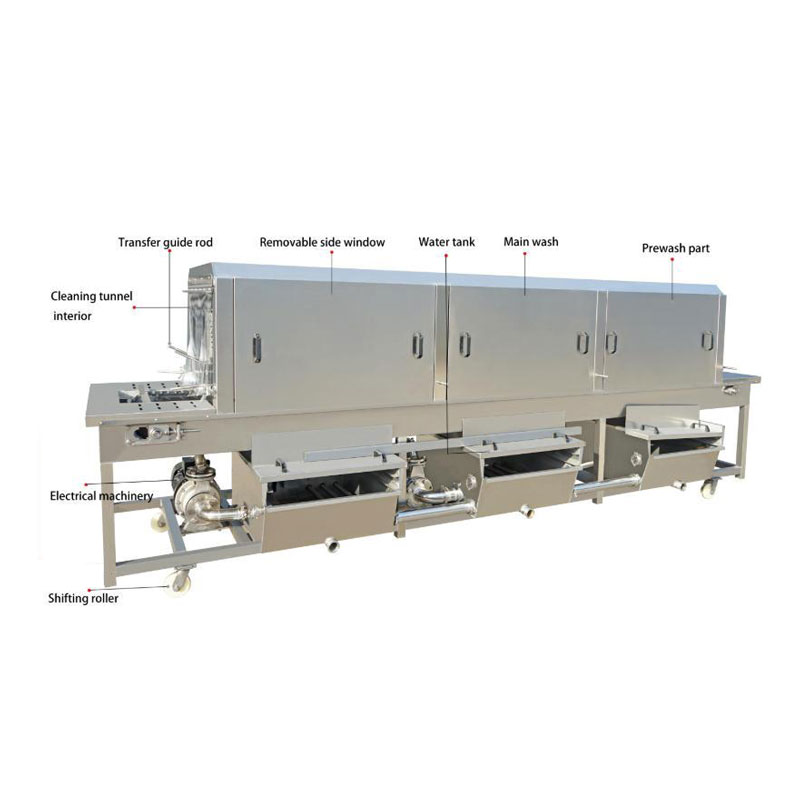
For the proposed crate washing system, involve the factory hygiene team early. The supplier can explain the equipment configuration, while the manufacturer of the food remains responsible for the cleaning regime used in its own process.
Identify the relevant soil families
Describe the returned containers by product residues, surface features, time before washing and normal storage conditions. Include the justified range of crate wear. Avoid choosing a convenient test material solely because it is easy to see or remove.
| Planning question | Decision to document |
|---|---|
| Which residues matter? | Soil families and relevant hazards |
| Which conditions are difficult? | Justified age, loading and surface cases |
| Where will assessment occur? | Defined crate locations and samples |
| What is acceptable? | Approved methods and decision criteria |
Distinguish challenge selection from trial settings
Choosing a difficult residue does not authorize arbitrary changes to cleaning chemistry, temperature or exposure. Establish trial conditions with the responsible technical and hygiene personnel, including compatibility with the machine and crate.
Where several crate families differ materially, explain why one case represents another or retain separate assessments. A single worst-case claim needs a technical justification; it should not be assumed from the largest crate alone.
Interpret evidence within its scope
EHEDG's explanation of hygienic test methods distinguishes equipment assessment from proving performance in every application. Use any supplier test or certificate within its stated scope and retain application-specific evidence for the factory's cleaning task.
Record the configuration, residues, operating conditions, measurement methods and limitations. Keep failed observations and repeat work visible. An accepted result should identify the tested setup and the conditions that would trigger a review.
Plan verification after introduction
Validation and routine verification answer related but different questions. The validation file supports the cleaning regime under defined conditions; routine checks help establish whether the approved regime is being followed and remains suitable in operation.
Use the equipment cleanability guide when checking construction and access. Review the evidence when products, crate materials, residues, holders or the washing arrangement change.
Frequently Asked Questions
Is visual inspection enough for cleaning validation?
Does an equipment hygiene claim validate the factory process?
When should the validation scope be reviewed?
Related Articles



Get professional consultation
Do you have any questions or need technical support regarding the content of this article? Fill out the form below, and our expert team will provide you with professional solutions.