Choosing CIP or COP starts with the equipment and its product-contact surfaces. Clean-in-place treats an installed circuit using an approved procedure; clean-out-of-place involves removing components for cleaning elsewhere. A single production module can require both methods, plus defined manual tasks.
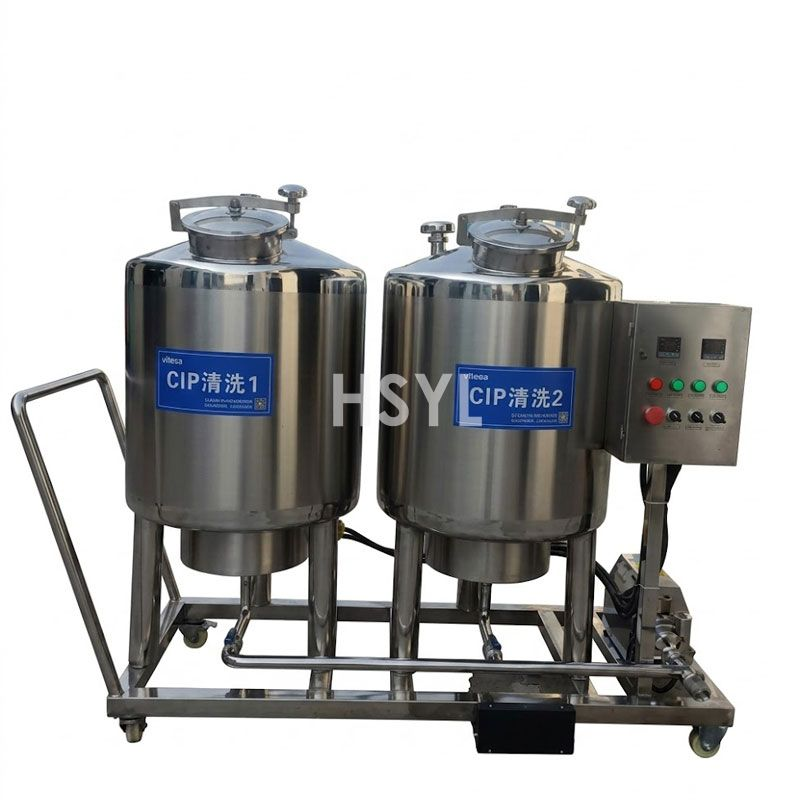
The presence of a CIP cleaning machine does not mean that every attached valve, filler part, hose or open surface is covered by that circuit. Map the actual cleaning boundary before assigning methods.
Trace the installed circuit
Use current drawings and a physical review to identify supply, return, branches and isolated sections. Mark the intended product-contact surfaces and clarify how the proposed system reaches them. Items outside the confirmed circuit need their own cleaning assignment.
| Surface or component | Review needed | Required record |
|---|---|---|
| Closed installed circuit | Coverage by the approved CIP arrangement | Circuit and procedure reference |
| Removable component | Safe removal and cleaning access | Part identity and COP method |
| Open equipment surface | Access and compatible procedure | Manual cleaning scope |
| Reassembled product path | Correct fit and readiness | Inspection and authorized release |
Decide what must be removed
Removal should follow the manufacturer's instructions and the factory's authorized safety procedures. Assess tools, part weight, sharp features, seals and the risk of mixing similar components. Identify where parts are transported, cleaned, protected and stored before refitting.
Do not classify an inaccessible part as CIP-cleanable simply because removal is inconvenient. Resolve the design and evidence gap with the supplier and hygiene team.
Keep method effectiveness application-specific
EHEDG's test-method guidance explains why an equipment assessment does not prove every application. The selected regime needs evidence for the actual soils, surfaces and operating arrangement. This article supplies a scope review, not universal cycle settings or chemical instructions.
The CIP scope guide for a canning line can help organize circuit responsibilities. Extend that scope file with a removal list so that operators know which tasks must occur outside the installed cycle.
Define the return-to-service check
After cleaning, verify component identity, condition and assembly under approved procedures. Distinguish a completed CIP program from confirmation that removed parts were cleaned and refitted correctly. Record who reviews sanitation evidence and who authorizes equipment readiness.
A practical method matrix links each surface group to its cleaning procedure, required disassembly, verification and release record. That matrix is more useful than describing the whole machine with a single CIP or COP label.
Frequently Asked Questions
Can one machine need both CIP and COP?
Does removing a part make it easier to validate cleaning?
Should the CIP completion record release the whole line?
Related Articles



Get professional consultation
Do you have any questions or need technical support regarding the content of this article? Fill out the form below, and our expert team will provide you with professional solutions.