How Much Does a Fish Canning Line Cost?
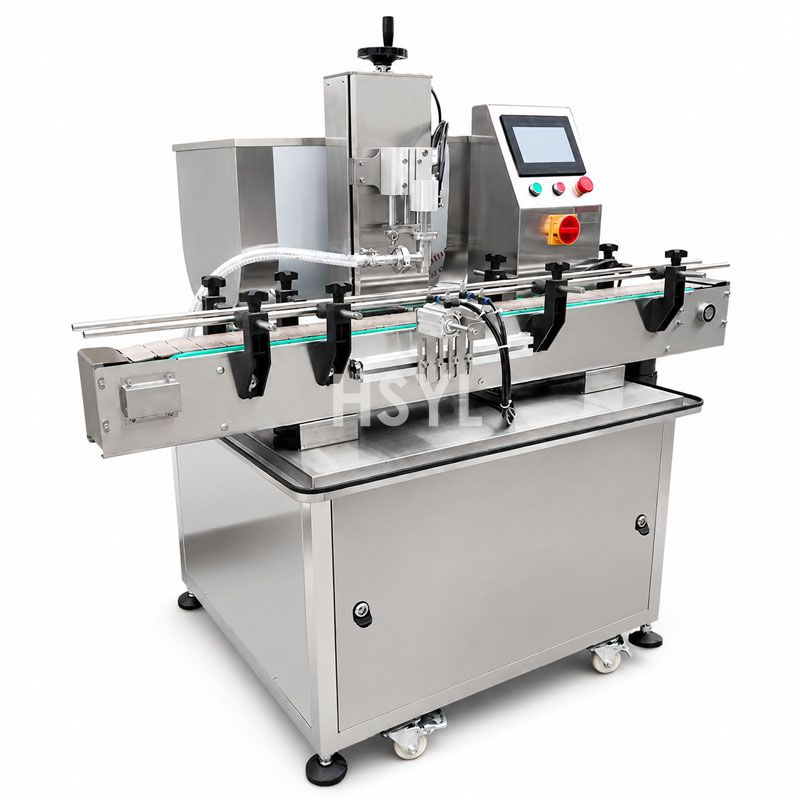
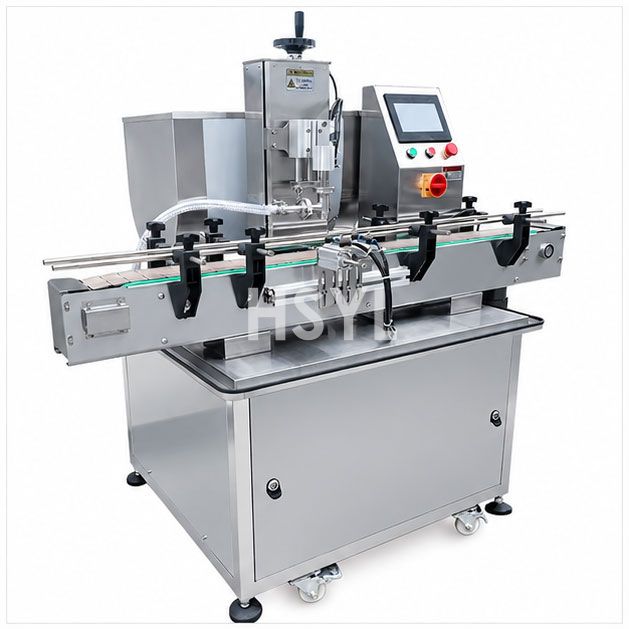
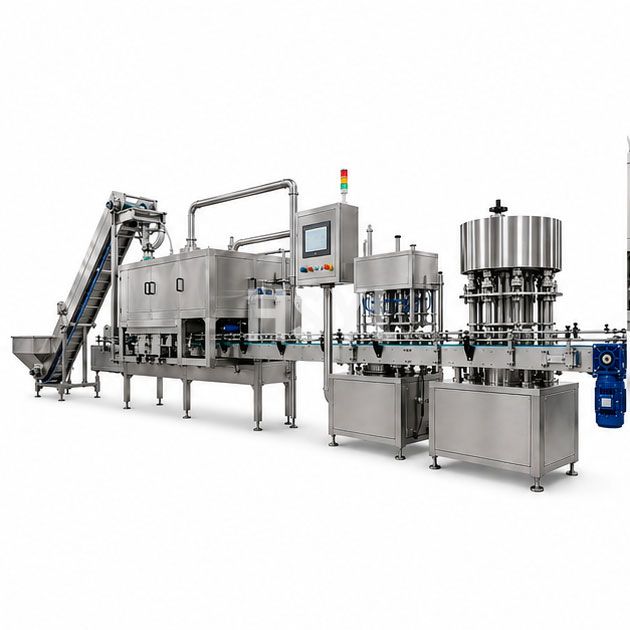
Fish canning line cost depends on the product, required output and equipment included in the quotation. A filling-and-seaming package for prepared fish covers a different scope from a factory project that also includes raw fish preparation, cooking, retorts, utilities and final packaging.To maintain hermetic seal integrity and high-speed canning output, configure this stage with our industrial automatic fish canning line.
To obtain a useful budget, define three things first: what enters the line, what finished product leaves it, and how many cans you need to produce per hour.
This guide helps you build that specification and compare supplier proposals. It provides a budgeting framework rather than a fixed equipment price.
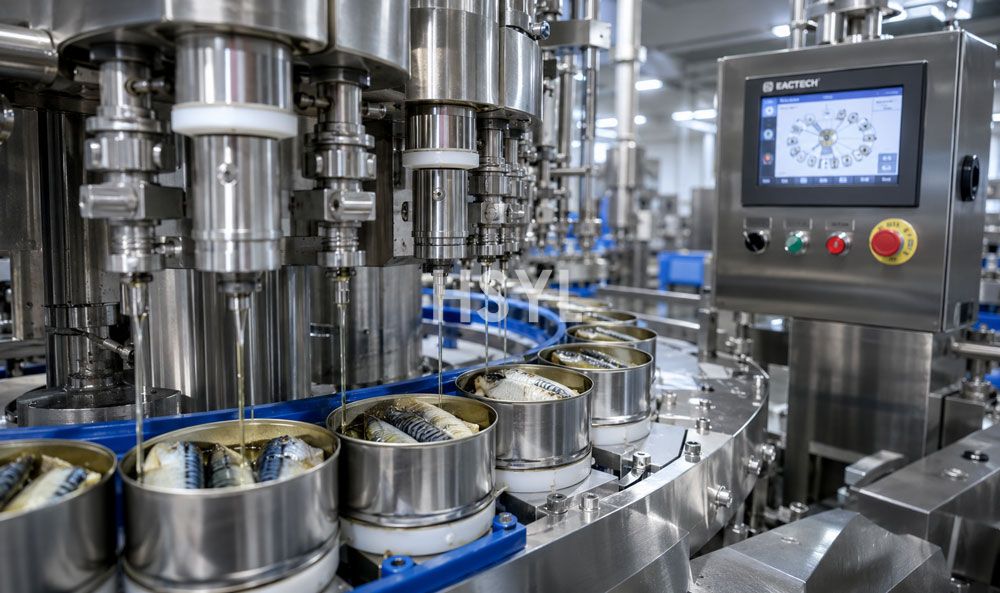
Define the Product Before Requesting a Price
Give each supplier the same starting information. Otherwise, different prices may reflect different assumptions rather than better value.
| Project detail | Information to provide | Why it affects the quotation |
|---|---|---|
| Fish and incoming condition | Species, size range, fresh or frozen, whole fish or prepared material | Determines the preparation equipment included |
| Finished product | Whole pieces, fillets, chunks or flakes; oil, brine or sauce | Defines packing and liquid-dosing requirements |
| Container | Can dimensions, shape, lid specification and fill weight | Affects handling, filling, closing and format parts |
| Production target | Finished cans per hour and planned operating hours | Establishes the basis for line sizing |
| Product range | Recipes and can formats to run on the same equipment | Adds changeover and flexibility requirements |
| Installation site | Available space, utilities and destination country | Defines interfaces, site work and documentation needs |
For example, a project receiving prepared tuna requires a different equipment scope from one receiving whole frozen fish. Identify that boundary before comparing totals.
You can review the HSYL automatic fish canning production line as a starting point for defining your equipment requirements.
Separate the Equipment Price from the Factory Budget
Ask suppliers to identify each item as included, optional or supplied by the buyer. A description such as “complete line” should be supported by an equipment list and clear installation boundaries.
| Budget area | Items to check |
|---|---|
| Fish preparation | Receiving, thawing where required, washing, sorting, heading, gutting and trimming |
| Product processing | Cooking, cooling and preparation equipment required by the selected process |
| Filling and closing | Can feeding, fish packing, liquid dosing, seamers and format parts |
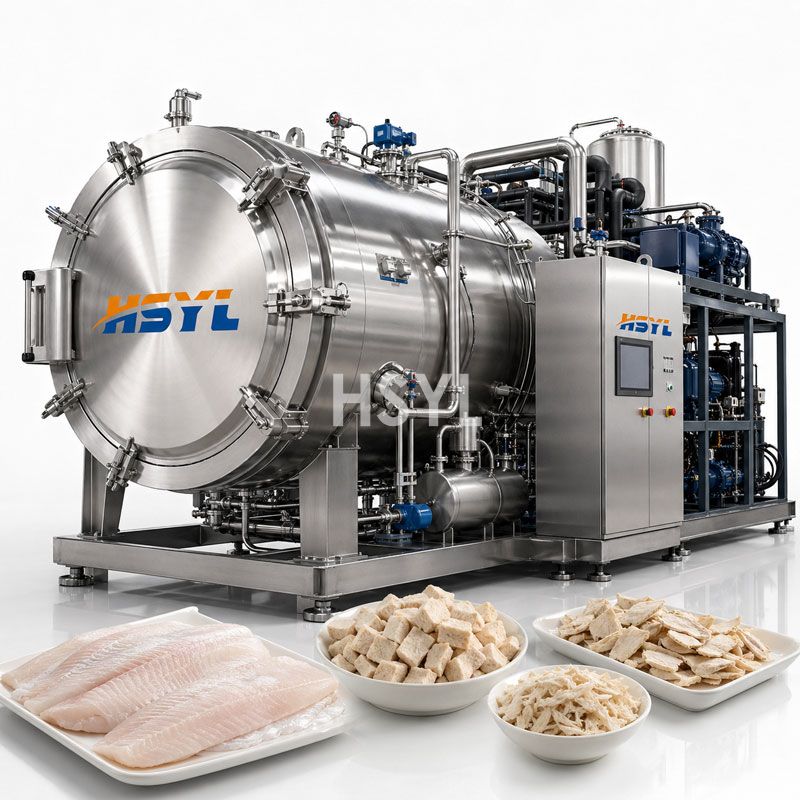
| Thermal processing | Retorts, loading equipment, baskets, controls and recording systems |
| Final packaging | Drying, coding, labeling, case packing and pallet handling |
| Line integration | Conveyors, buffers, controls, guarding and connections between machines |
| Factory utilities | Steam supply, water treatment, cooling, compressed air and electrical distribution |
| Delivery and installation | Packing, freight, unloading, positioning, site connections and commissioning |
| Startup support | Training, initial spare parts, trials and agreed acceptance testing |
For a new factory, budget separately for building work, drainage, cold storage where needed, process validation and initial operating funds. Confirm which of these items are covered by the equipment supplier.
Also compare the quotation currency, delivery terms, validity period and payment schedule. Freight, destination charges and installation expenses can sit outside the headline machinery price.
Compare Capacity on the Same Basis
A machine speed is not automatically the output of the complete factory.
Ask whether quoted capacity refers to the filler, seamer, a particular processing section or the integrated line. Confirm the can format, product and operating conditions used for that figure.
For initial planning:
Planned daily production = sustained line output per hour × productive operating hours per day.
Productive hours exclude planned cleaning and changeovers. Actual saleable output also needs to account for downtime and rejected product.
For illustration, a line sustaining 1,000 cans per hour for six productive hours would produce 6,000 cans before allowing for rejects. This is a calculation example, not an HSYL capacity specification.
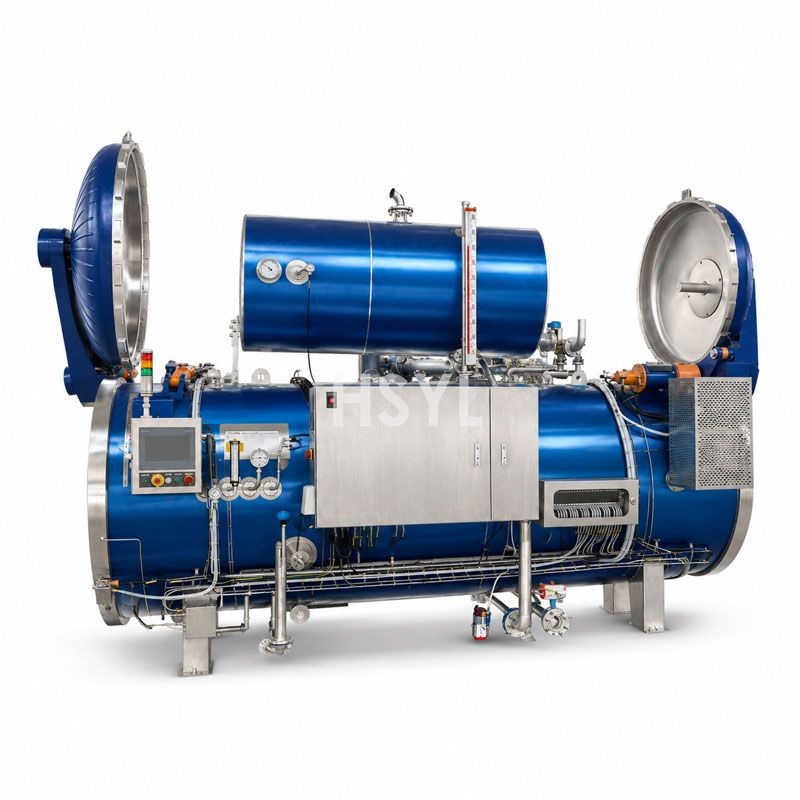
Retort capacity also needs to match the production plan. Ask how loading, heating, processing, cooling and unloading are included in the proposed schedule.
For low-acid canned foods, the thermal process must be established for the specific product and package. For products sold in the United States, FDA guidance identifies product, container and processing-method details as part of scheduled-process requirements. Include the relevant validation work in project planning rather than assuming that purchasing a retort completes it.
Read FDA guidance on acidified and low-acid canned foods
Choose Automation Around the Work That Needs Improvement
Describe the tasks you want to automate instead of relying only on labels such as “semi-automatic” or “fully automatic.”
For fish canning, discuss who prepares and packs the fish, who loads the retorts, how cans move between sections, and how finished cases are handled. Ask for a staffing plan that identifies duties by station and shift.
An upgrade to an existing factory may need only a specific bottleneck addressed. A new factory needs a coordinated equipment and utility plan. These projects should not be compared using the same package price.
If future expansion matters, ask which equipment can remain in service, which modules would need to be added and what space or utility capacity should be reserved.
Compare Operating Cost per Saleable Can
A lower equipment price does not establish a lower production cost. Compare proposals using the same assumptions for:
Fish purchase cost and measured usable yield.
Fill weights and packing-medium consumption.
Cans, lids, labels and secondary packaging.
Staffing and productive hours.
Electricity, steam, water and compressed air.
Cleaning, maintenance, consumables and spare parts.
Product losses, rejects and waste handling.
Divide the costs included in your model by the number of saleable cans produced over the same period. State separately whether factory overhead, depreciation and financing are included.
Small differences can be tested with simple calculations. At 6,000 cans per day, an average 2 grams of fish above the intended fill target represents 12 kilograms of additional fish per day. Multiply that quantity by your own ingredient cost to estimate the effect.
This example is not a savings promise or an instruction to reduce a validated fill weight. Fill targets must remain consistent with product specifications, applicable requirements and the established thermal process.
Ask suppliers to state how claimed improvements in yield, staffing or utility use will be measured.
What to Check Before Comparing the Final Totals
Request a revised proposal if any of these points are unclear:
Supply boundaries: where the supplier’s scope begins and ends.
Capacity conditions: product, can format, sustained output and operating assumptions.
Utilities: required supply conditions, consumption basis and connection points.
Changeovers: included format parts, manual work and additional components required.
Acceptance testing: test material, duration, measurements and agreed acceptance criteria.
Installation responsibilities: unloading, positioning, wiring, piping, commissioning and training.
Commercial exclusions: freight, destination charges, site work, travel expenses and startup materials.
Where an item is excluded, obtain a separate allowance before comparing project budgets. This makes it easier to distinguish a genuinely lower-cost proposal from one with a narrower scope.
Request a Budget for Your Fish Canning Project
For an initial discussion, send HSYL your fish product, incoming raw material condition, can size or fill weight, target cans per hour and destination country.
If you already operate a factory, explain which equipment you want to keep and which production problem you need to solve. For a new project, include available space or a layout if you have one.
Discuss Your Fish Canning Line Budget
For other canned products, explore the HSYL canned food production line range.
Frequently Asked Questions
Does a fish canning line quotation include the whole factory?
Can I get a preliminary budget without a factory drawing?
Can I reduce the initial investment by keeping some operations manual?
Related Articles


Get professional consultation
Do you have any questions or need technical support regarding the content of this article? Fill out the form below, and our expert team will provide you with professional solutions.