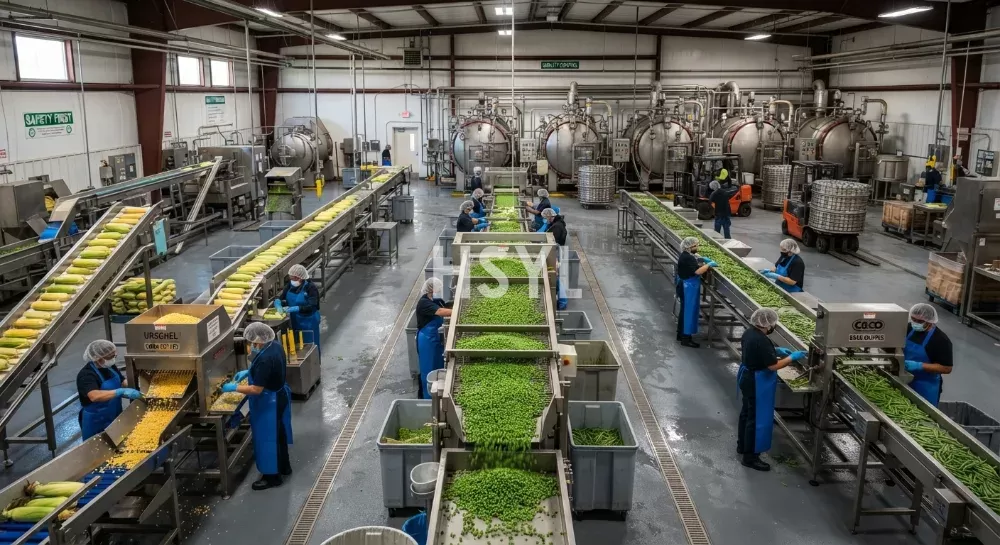
Low-Acid Canned Vegetables: Corn, Peas and Green Beans Processing Line
Direct AnswerA low-acid canned vegetable processing line — corn, peas, and green...
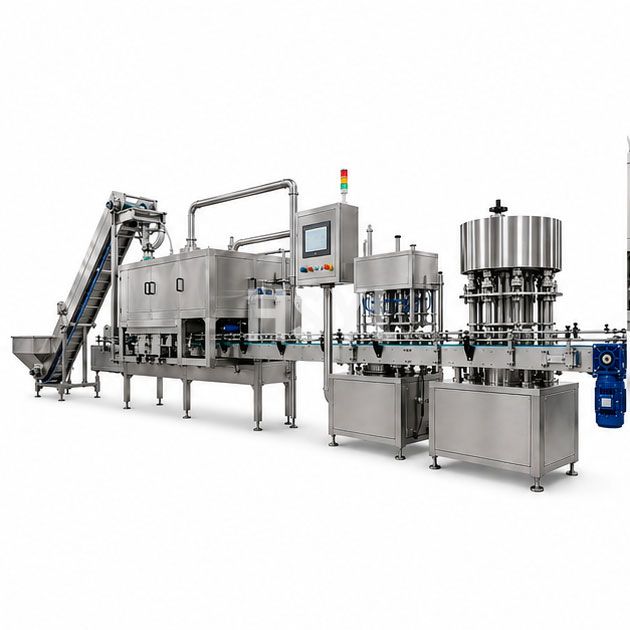
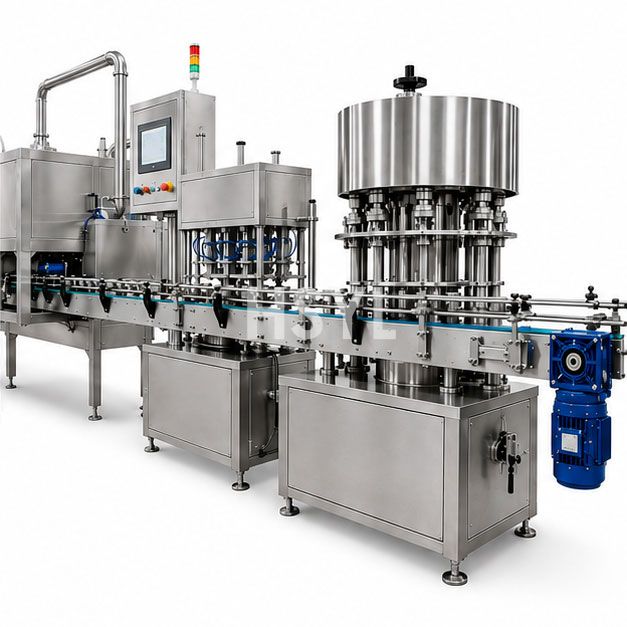
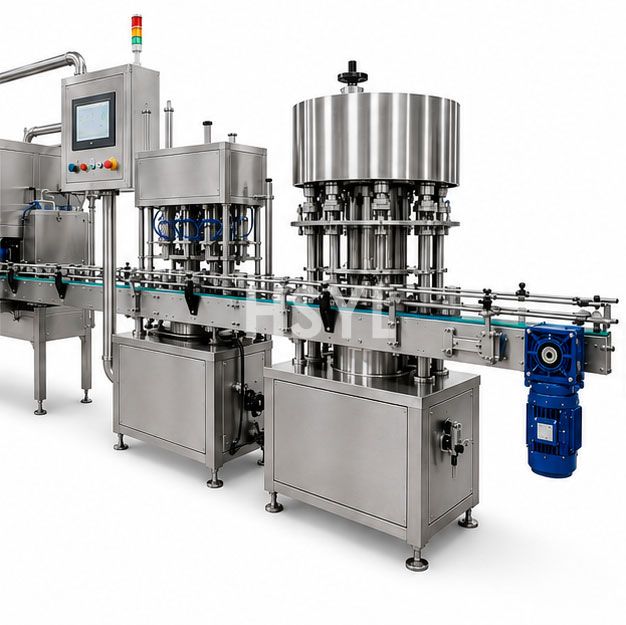
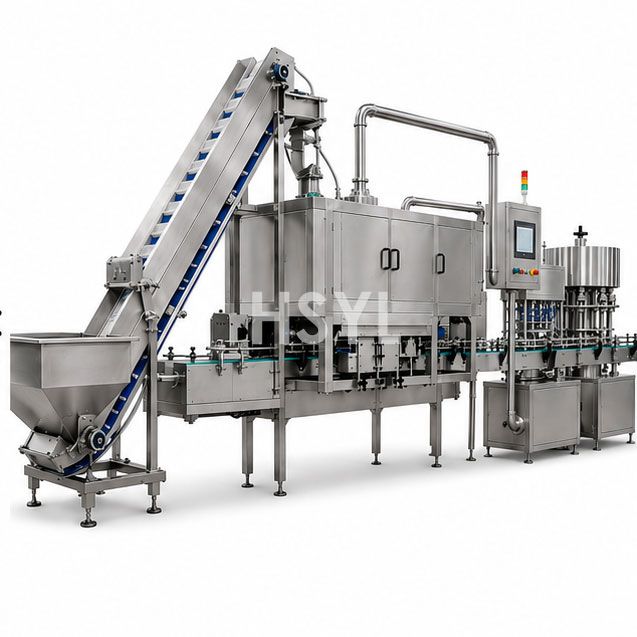
Optimize your plant footprint with a high-yield Small Scale Fish Canning Line. 1,500-2,500 cans/hr capacity with SUS316L contact parts.
| Configuration | Reference Capacity | Automation | Typical Buyer |
|---|---|---|---|
| Pilot / small scale | 1,500-2,500 cans/hr | Semi-automatic | Startups, regional canneries |
| Mid scale | 8,000 cans/hr | Fully automatic | Export-oriented processors |
| Turnkey plant | 20,000+ cans/day | Fully automatic with utilities | New factory projects |
For complete autoclave batch scheduling and facility sanitation planning, refer to our engineering overview on calculating fish canning line cost.
Detailed model parameters (power, footprint, steam consumption) are confirmed on the model specification sheet against your product and can format.
For growing seafood processors, transitioning from manual canning to an automated line is a major operational milestone. The HSYL compact fish canning system is engineered specifically for facilities requiring high-accuracy packing, food safety compliance, and robust hermetic sealing without the massive floor footprint or utility consumption of high-capacity lines. This system balances initial capital expenditure with high operational efficiency, minimizing fish weight giveaway and protecting product margins.
Compliance: Fully compliant with CE standards and designed to meet strict FDA Seafood HACCP washdown requirements.
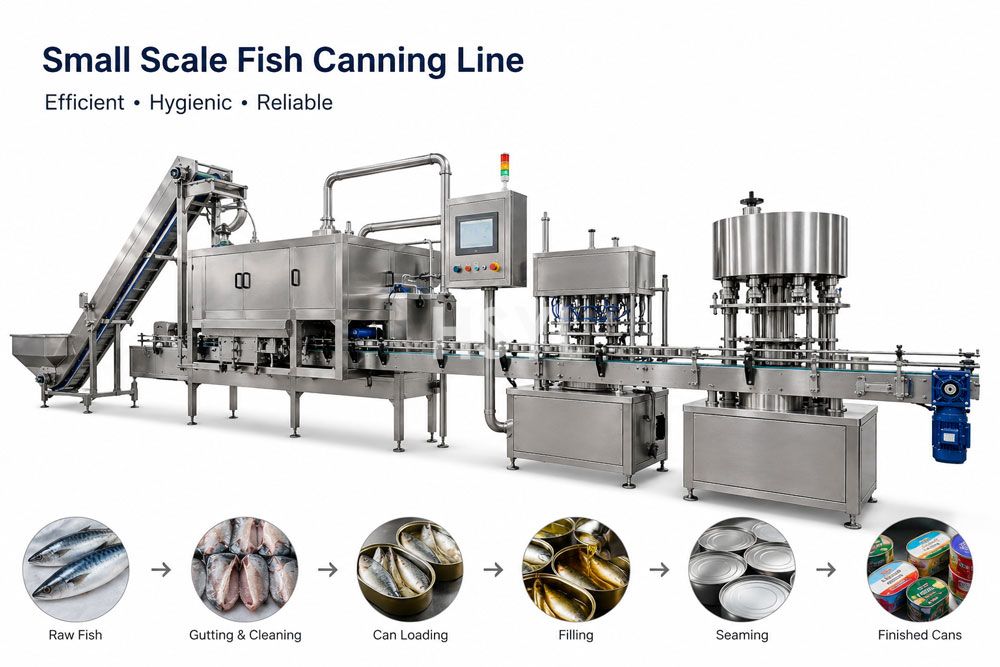
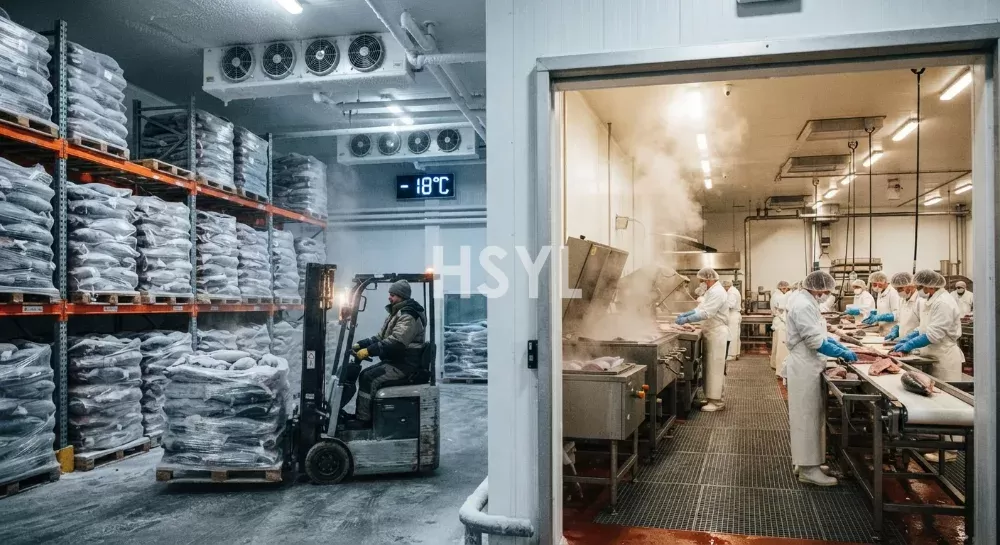
The line is arranged in three zones: a raw material preparation zone with washdown floors and separate drainage, a filling and seaming zone with restricted access, and a sterilization zone housing the retorts. Finished cans flow through drying and labeling into dry storage, keeping dirty and clean flows separated.
Utilities cover steam, process water, compressed air and power. Exact floor area, man-machine flow direction and utility ratings are confirmed based on the final configuration.
To assist your engineering and procurement teams in evaluating their plant layouts, the following table details the baseline physical, electrical, and mechanical parameters of our standard compact canning line configuration.
| Operational Parameter | Technical Specification Value |
|---|---|
| Model | HSYL-SCL-1500 |
| Production Capacity | 1,500 - 2,500 cans/hour (25 - 42 cans/min) |
| Can Size Range (Diameter) | 50 mm - 105 mm (standard round and club cans) |
| Can Size Range (Height) | 30 mm - 120 mm |
| Total Connected Power | 18.5 kW |
| Steam Consumption | 150 kg/h at 0.4 - 0.6 MPa |
| Compressed Air Demand | 0.5 m³/min at 0.6 MPa |
| Fresh Water Intake | 0.8 m³/h (integrated with filtration recycling loops) |
| Overall Layout Dimensions | 12,500 mm x 1,800 mm x 2,100 mm |
| Total System Weight | Approximately 3,200 kg |
| Seaming Rollers Material | Titanium-coated stainless steel for high wear resistance |
Send your product type, target capacity and can format — our engineers return a line configuration and detailed quotation within 24 hours.
A small-scale fish canning project can combine manual preparation and packing with selected mechanized operations. Start with the fish species, finished product style and can format, then identify where equipment will provide the greatest practical benefit.
| Section | Configuration to discuss |
|---|---|
| Fish preparation | Manual workstations or selected preparation machines suited to the raw material |
| Fish packing | Manual or assisted packing, with defined fill checks and operator tasks |
| Liquid dosing | Equipment matched to the planned oil, brine or sauce recipes |
| Can closing | A seamer and tooling matched to the specified can bodies and ends |
| Retort processing | Equipment sized around the established process and batch-handling arrangement |
| Finished-can handling | Drying, coding, labeling and packing appropriate to the initial output |
Define the initial quotation separately from future upgrades. Ask which conveyors, baskets, change parts, utility connections and installation services are included.
Preparation tables, cold storage, steam supply, drainage and quality-control equipment can also affect the startup budget. A compact machine layout should therefore be assessed as part of the complete working area, including operator access and movement of materials.
A fully automatic fish canning line delivered for a seafood processor in Algeria covers preparation, filling, seaming and retort sterilization on 125 g cans at 8,000 cans per hour. Read the full configuration and commissioning details in the Algeria 8,000 CPH fish canning project.
For meat applications, the UK turnkey beef canning line is engineered for 15,000 tons per year, FSA and BRCGS compliant — see the UK beef canning line project.
The compact canning line is designed as a continuous fluid system. The process begins at the sorting and washdown station, where raw fish are cleaned and inspected. Fish then move to the cutting and portioning table, where manual or semi-automatic knives trim heads and tails with high cutting accuracy. Portioned fish are packed into tin cans via the central pocket filler conveyor loop, which is also compatible with our dedicated Sardine Canning Production Line layout.
Once filled, the cans proceed to the precision liquid filling station, where hot brine, oil, or tomato sauce is dosed. Immediately after liquid filling, the cans enter the single-head rotary vacuum seamer, which draws out air to establish a firm headspace vacuum before double seaming. The sealed cans undergo an automated washdown stage to remove residual oils before being loaded into the steam retort for thermal sterilization. This layout easily integrates with downstream equipment found in our Tuna Canned Production Line setups.
Can closing requires compatible can bodies, ends and seaming tooling, together with correct setup and routine seam examination. Roller materials or automated operation alone do not guarantee defect-free seams.
The thermal process must be established by a qualified processing authority for the relevant product, container and processing system. Retort controls monitor and record the specified operating conditions; they do not, by themselves, establish heat penetration inside the product or validate the scheduled process.
Cooling-water management, container handling and post-process inspection should follow the established operating procedures. Neither water treatment nor a compact conveyor arrangement replaces the processor's raw-material controls, sanitation practices or process verification.
Sourcing a processing line is an engineering partnership. HSYL provides comprehensive support to ensure your system integrates seamlessly with your local utilities. Our services include plant floor layout design, steam boiler sizing recommendations, and automation protocol integration. We perform rigorous Factory Acceptance Testing (FAT) before dispatch, allowing your technical team to verify cutting accuracy and seamer performance using your actual fish species. Our global field service team is available for installation, on-site commissioning, operator training, and lifetime spare parts support.
Every seafood processing facility faces unique layout and utility constraints. Our engineering team is ready to design a balanced, space-optimized production layout tailored to your specific can sizes, raw materials, and capacity targets. Contact HSYL today to discuss your project, request a detailed quote, or schedule a virtual trial run using our pilot testing machinery.


Direct AnswerA low-acid canned vegetable processing line — corn, peas, and green...
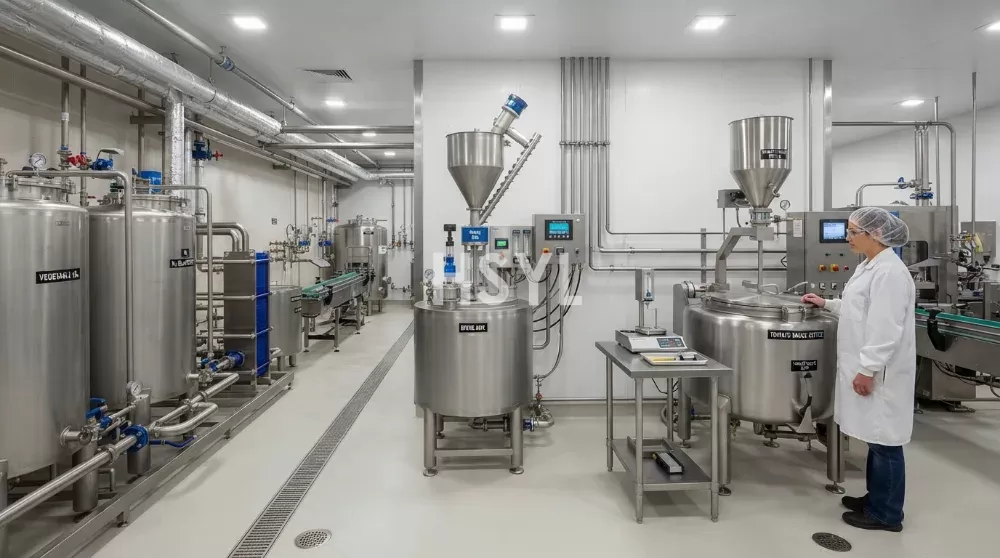
The filling medium — the liquid that fills the void spaces between the fish piec...
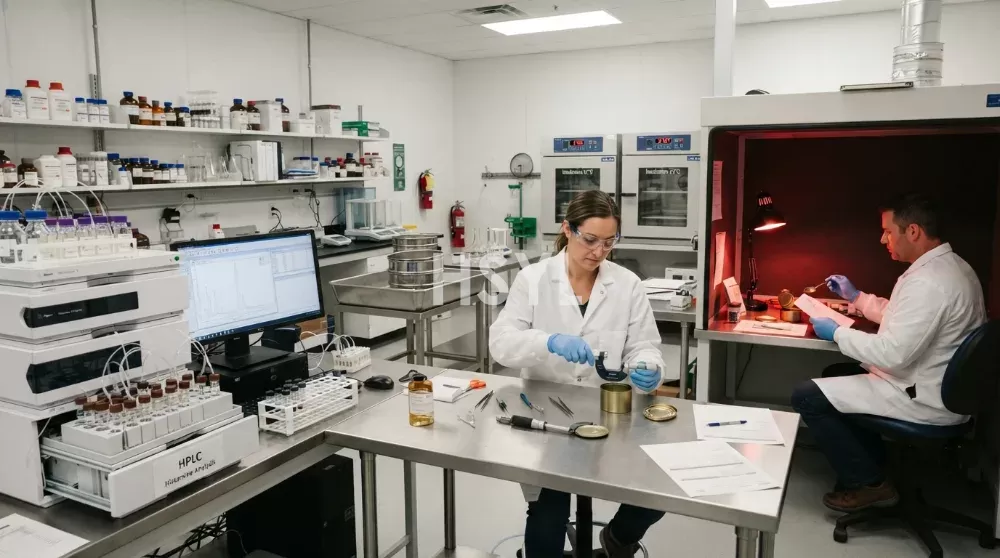
A sardine and mackerel canning line processes small pelagic fish — typically 10–...
Direct AnswerThe most expensive asset in a fish cannery is not the retort or the...