A sardine and mackerel canning line processes small pelagic fish — typically 10–25 cm in length and 30–150 g in individual weight — into shelf-stable canned products through a sequence that differs fundamentally from tuna canning: the fish are processed whole (not pre-cooked and loin-extracted), and the line must handle high piece counts (a single can of sardines may contain 3–8 individual fish, and a line producing 200 cans per minute handles up to 1,600 fish per minute). The line is defined by the heading-and-gutting operation — the mechanical removal of the head and the evisceration of the gut cavity — which for sardines and small mackerel is performed by automated machines, and by the multi-layer can-packing operation, where fish are arranged in the can in a specific orientation (flat, cross-packed, or upright) that determines the can appearance. This guide covers the sardine and mackerel processing paths, the species-specific yield and quality parameters, the histamine control requirement for mackerel (a scombroid species, unlike sardines which are clupeids), and the seasonal harvest pattern that makes small pelagic fish canning one of the most operationally challenging segments of the canned fish industry.For complete factory zoning and mechanical flow design from raw fish evisceration to autoclave sterilization, consult our engineering guide on canned fish production line layout.
How Sardine and Mackerel Canning Differs from Tuna Canning
At first sight, sardine and mackerel canning appears similar to tuna canning — fish goes in, cans come out. The operational differences are substantial:
- Whole-fish processing vs. loin extraction: Tuna is pre-cooked and the edible loin muscle is manually extracted. Sardines and mackerel are processed whole — the head and viscera are removed, but the remainder of the fish (flesh, skin, and bones) goes into the can. The bones become soft and edible during retort sterilization because the high temperature and pressure solubilize the collagen in the bone matrix. This means the line does not have a pre-cooking or loining stage, but it does have a heading-and-gutting stage that must handle thousands of fish per hour.
- Piece count: A tuna can contains pieces from one to a few loins. A sardine can contains multiple individual fish. The filling operation is a counting and arranging operation, not a weighing operation — the filler must place the correct number of fish into each can in the correct orientation.
- Can size: Sardine cans are typically flat rectangular or oval cans (the "sardine can" format) or round cans of small diameter. The flat can format — unique to sardines, though also used for some mackerel products — requires different seaming equipment from round cans and different retort basket loading.
Histamine control: Mackerel is a scombroid species and requires histamine testing at receiving per FDA 21 CFR 123. Sardines (Sardina pilchardus, Sardinops species) are clupeids, not scombroids, and are not subject to the same mandatory histamine testing under US regulation — though importing countries may require histamine testing as a quality parameter, and EU Regulation 2073/2005 establishes histamine limits for fish species associated with high histidine levels regardless of their taxonomic family.

Step-by-Step Processing Flow
Stage 1: Receiving and Thawing
Sardines and mackerel are landed fresh or frozen. Fresh fish must be processed within 12 hours of landing — longer delays allow histamine formation in mackerel and enzymatic spoilage in sardines, which are oily fish with high levels of polyunsaturated fatty acids that oxidize rapidly. Frozen fish are thawed in controlled-temperature cold rooms or water-immersion tanks. The thawing method for small pelagic fish must avoid physical damage to the fragile fish bodies — water-immersion thawing with gentle recirculation is preferred over mechanical handling during the thawing phase.
Stage 2: Heading and Gutting
Thawed or fresh fish are fed into a heading-and-gutting machine — a rotary or linear machine that positions each fish individually, cuts off the head with a V-shaped or straight knife, and removes the viscera either by suction (vacuum evisceration) or by a mechanical scraper. The machine must adjust to the size range of the incoming fish — sardines from a given catch vary in length by ±20%, and the heading knife must cut at the correct position behind the gills regardless of the fish length. Modern heading-and-gutting machines use laser or camera-based fish-length measurement to position each fish before the knife cuts, enabling size-adaptive heading that maximizes the edible yield. The heading-and-gutting waste — heads and viscera — represents approximately 25–35% of the incoming fish weight and is either processed into fishmeal or discharged as waste.
Stage 3: Washing, Brining, and Drying
Headed and gutted fish pass through a spray washer that removes residual blood, viscera fragments, and loose scales from the body cavity and the exterior. After washing, the fish may be brined — immersed in a saturated or near-saturated salt solution (brine) for 5–15 minutes — which firms the flesh, adds salt to the product, and improves the appearance of the skin after retort. After brining, the fish are drained and partially dried — either on a mesh conveyor in a forced-air drying tunnel or on racks — to remove surface moisture that would otherwise produce a cloudy packing medium in the can. The drying step is critical for products packed in oil because water droplets in the oil produce an opaque, visually unappealing medium.
Stage 4: Can Packing
Dried fish are packed into cans. For sardines, the packing is a manual or semi-automated operation: operators or robotic arms place a specified number of fish into each can in a specific arrangement — typically fish laid flat in alternating directions (heads to tails) for flat rectangular cans, or fish arranged in layers for round cans. The number of fish per can depends on the fish size and the can size, and the packer must select fish of uniform size for each can to present a consistent appearance. The can is then topped up with the packing medium — vegetable oil (soybean, sunflower, or olive oil), tomato sauce, or brine — heated to 80–90°C before dosing.
Stage 5: Seaming and Retort Sterilization
Filled and dosed cans are seamed — flat rectangular cans on a specialized seamer, round cans on a standard seamer — and retort-sterilized at 116–121°C. Canned sardines and mackerel are low-acid products (pH 5.5–6.5). The retort process for sardines in oil has a unique characteristic: the oil provides a barrier to steam penetration into the fish tissue, and the fish skin also acts as a barrier. The heat-penetration rate is slower than for tuna in brine because the oil is more viscous than water and the fish are packed tightly in the can with minimal free liquid. The scheduled process must account for the fish species (fat content affects oil thermal conductivity), the fish size (thicker fish require longer come-up time), and the can format (flat cans have a different cold-point location than round cans). After sterilization, the cans are cooled, dried, labeled, and cased.
Histamine Control for Mackerel
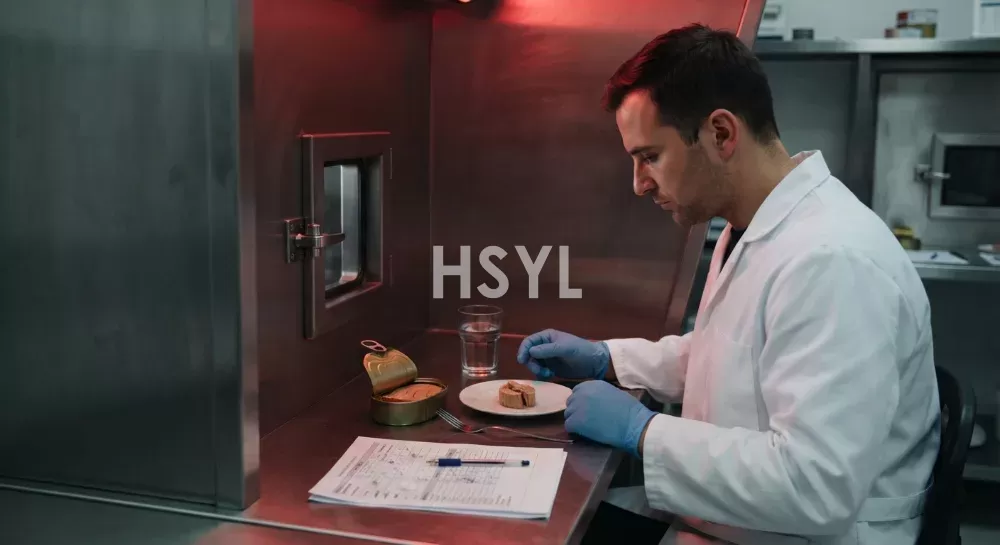
Mackerel is a scombroid species, and histamine control is a CCP at receiving. The critical limit under FDA 21 CFR 123 is 50 ppm in any individual fish. The testing protocol and the actions for fish exceeding the limit are the same as for tuna, described in the HACCP fish canning line design guide. The histamine risk for mackerel is higher than for tuna in some fisheries because mackerel are often landed at smaller ports with less-developed cold-chain infrastructure, and the time from catch to freezing or processing can exceed the safe window if cold-chain management is inconsistent.
Seasonal Harvest and Factory Utilization
Sardine and mackerel fisheries are seasonal in most regions. Sardine fisheries in temperate waters have a main season of 5–7 months; tropical sardine fisheries may have a longer season but with variable catch volumes driven by monsoon and upwelling patterns. Mackerel seasons are similarly seasonal. A sardine and mackerel cannery that relies on a single fishery has a seasonal operating pattern — full production during the fishing season, reduced or zero production during the off-season. Factories that extend their operating season do so by processing multiple species (sardine in one season, mackerel in another, possibly tuna or other species in a third), by processing frozen fish during the off-season (frozen-at-sea sardines or mackerel, though the quality of frozen small pelagic fish for canning is lower than fresh), or by diversifying into other canned fish products. The factory throughput, the labor force (seasonal workers during the peak), and the equipment utilization rate are all determined by the harvest calendar.
Conclusion
Sardine and mackerel canning is a piece-count-driven, seasonally-paced operation that processes small fish whole into shelf-stable cans. The heading-and-gutting machine is the line-defining equipment, and the can-packing operation — whether manual or automated — determines the labor cost and the can appearance. Mackerel's scombroid classification imposes a histamine CCP that sardine processing does not require, though quality-conscious processors test sardines for histamine as a quality indicator even when not required by regulation. For the sterilization engineering, see the canned fish sterilization process engineering guide. For the tuna processing comparison, see the canning line procurement guide.
Frequently Asked Questions
How does sardine canning differ from tuna canning?
Are sardine bones safe to eat in canned sardines?
Does mackerel require histamine testing like tuna?
Why are sardines packed in flat rectangular cans?
Related Articles




Get professional consultation
Do you have any questions or need technical support regarding the content of this article? Fill out the form below, and our expert team will provide you with professional solutions.