The Physics of Protein: Why Thermal State Dictates Mechanical Design
In industrial meat processing, the difference between a 400kg/h output and a 2000kg/h output is not just motor size—it is the management of Mechanical Shear Stress. When dicing fresh meat (0°C to 4°C), the protein fibers are elastic. If the blade speed is too low, the meat compresses before the cut, leading to "smearing" and heavy fluid loss. Conversely, frozen meat (-5°C to -18°C) behaves as a brittle solid. Without a hydraulic RAM feeding system providing consistent pressure, the meat will crack rather than slice, destroying your yield rate.

For fresh meat dicing, HSYL engineers prioritize high-frequency vibration reduction and razor-sharp SUS304 blade sets. We typically recommend a system with a variable blade RPM of 150 to 300. This high speed ensures the blade passes through the elasticity of the fiber before the muscle can deflect. This is the core technology behind our automatic fresh meat dicing machine, which maintains portion precision within ±1mm even at capacities of 1.2 tons per hour.
Frozen Meat Dicing: Engineering for Sub-Zero Resistance
When you transition to frozen blocks (usually -12°C or lower), the engineering focus shifts from speed to Torque and Hydraulic Force. A fresh meat dicing machine typically uses a belt or gear drive that would simply slip or shear its pins when faced with a 25kg frozen meat block. A dedicated frozen meat slicer must utilize a hydraulic power pack capable of exerting 15 to 20 MPa of pressure.
The grid system also changes. For frozen applications, we utilize serrated leading edges on the secondary knives. Why? Because the serration creates localized stress points that initiate a fracture line, allowing the secondary blade to "crack" the portion cleanly along the grid boundary. Without these serrations, you would need double the motor power, leading to excessive thermal transfer that can partially defrost the meat surface, compromising food safety standards.
Technical Selection Table: Industrial Parameters
| Operational Parameter | Fresh Meat Dicing (<4°C) | Frozen Meat Dicing (-5°C to -18°C) |
|---|---|---|
| Infeed Mechanism | Continuous Belt or Servo-Plunger | Heavy-Duty Hydraulic RAM |
| Blade Edge Geometry | Polished Smooth (Surgical Grade) | High-Tensile Serrated Grids |
| Motor Power Density | 2.2 kW - 3.7 kW | 5.5 kW - 11 kW |
| Yield Rate Potential | 98.5% (with drip loss control) | 96% (minimizing brittle bits) |
| Cleaning Protocol | Full CIP / Daily Foam | Inter-shift Scrape / Daily Deep Clean |
The HSYL Information Gain: The "Brittle Threshold" Formula
Most plant managers wait until the meat is "hard enough" to cut, but we use a specific formula to identify the Optimal Slicing Temperature (OST) to maximize blade life. Cutting meat that is too cold (-25°C) increases blade wear exponentially. Based on our lab data, the Blade Life Coefficient (L) decreases by 40% for every 5 degrees you drop below -15°C.
OST Calculation = T_base + (Fat_content % / 5)
For example, a beef block with 20% fat content has an OST of -15 + (20/5) = -11°C. Cutting at this temperature ensures the fat is hard enough not to smear, but the protein hasn't reached the Brittle Fracture Point where it damages the grid knives. By following this formula, one of our clients in North America extended their grid replacement interval from 3 months to 7 months, saving approximately $4,500 per machine per year.
Food Line Solutions: Integrating Automation for ROI
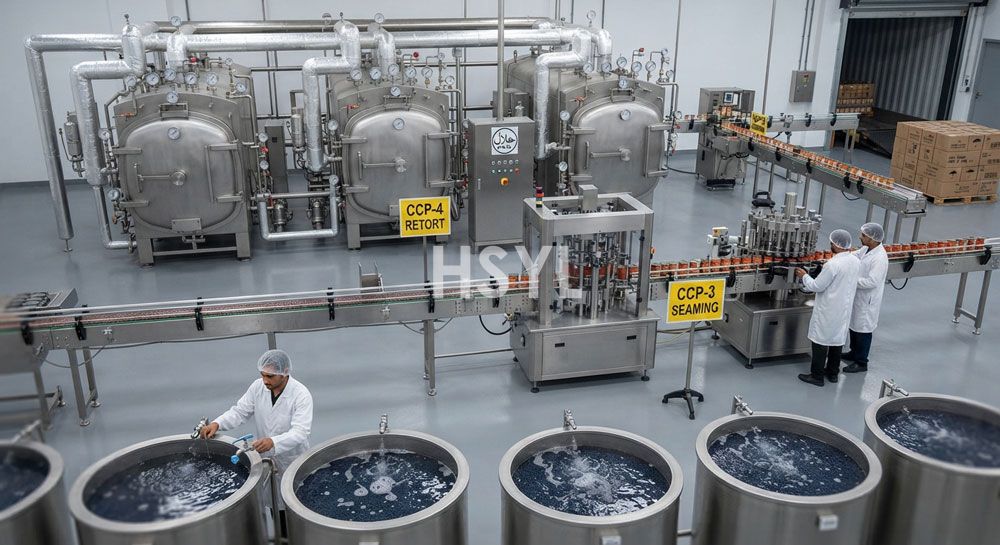
Beyond the choice of a single dicing machine, modern Food Line Solutions focus on the transition points. If you are dicing 2 tons of meat per hour, manual loading becomes the bottleneck and a source of cross-contamination. A truly efficient automatic meat processing line integrates vacuum lifters and metal detection before the dicing stage.
Investment in a high-grade meat dicing machine should be evaluated through the lens of Labor Replacement (ROI). A manual dicing team of 5 workers typically achieves 200kg/h with inconsistent portion sizes. An HSYL automated system requires 1 operator to provide 1000kg/h. At an average industrial labor cost of $25/hour, the machine pays for its capital cost in less than 14 months of double-shift operation.
Additionally, look for machines that comply with FDA and USDA open-frame designs. If a technician needs tools to remove the infeed belt for cleaning, you are losing 45 minutes of production every shift. HSYL machines feature a No-Tool Disassembly system, allowing for complete sanitation within 15 minutes, adhering to the strictest HACCP/CIP cleaning protocols.
Actionable Tips: How Plant Managers Can Extend Blade Lifespan
Based on our engineering audits, 90% of premature blade failures are caused by improper maintenance rather than material fatigue. Follow these three steps to protect your investment:
- Daily Honing: Even SUS304 blades develop microscopic burs. A 2-minute honing session every 8 hours of fresh meat processing can increase the cycle count before a full regrind is needed by 30%.
- Hydraulic Fluid Analysis: For frozen dicers, the heat in the hydraulic system can fluctuate. Change your fluid every 2,500 operational hours to ensure the RAM pressure remains consistent. Inconsistent pressure leads to "hesitation cuts" which chip the grid knives.
- Temper-Softening Validation: If you are processing frozen blocks, implement a 24-hour tempering room monitored at -5°C. Forcing meat at -20°C through a dicer is the fastest way to fatigue the motor windings and the grid frame.
Market Insights: The Rise of 316L in High-Salt Environments
According to recent industry data, there is a distinct shift toward SUS316L stainless steel for dicing components in the processed meat sector. As manufacturers move toward higher brine injection levels (15% to 25%), standard 304 steel begins to show pitting corrosion from the sodium chloride. At HSYL, we offer specialized Corrosion-Resistant Packages for dicing lines handling cured hams or pre-salted bacon. This prevents the microscopic metallic flakes that can be flagged by downstream X-ray inspection systems.
Related Topics
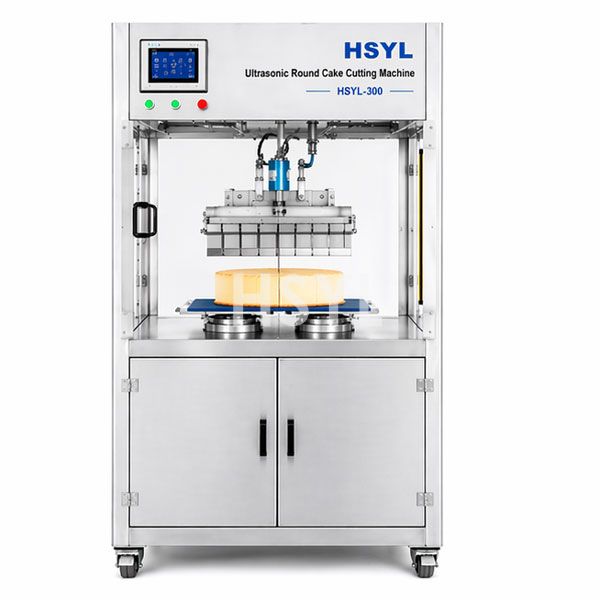
- High-Production Ultrasonic Cake Cutting Machine
- Automatic Fresh Meat Dicing Machine Specifications
- Automatic Meat Processing Line Solutions
As an engineer, I know that every factory footprint is unique. Choosing between a fresh meat or frozen meat dicing system is just the first step in optimizing your throughput. If you are struggling with high waste percentages or inconsistent portioning, I invite you to contact the HSYL team for a technical consultation. We don't just sell machines; we design Layouts and Workflows that ensure your line hits its peak OEE from day one. Reach out today for a 3D floorplan proposal.
Frequently Asked Questions
Can I use one machine for both fresh and frozen meat dicing
What is the standard grid size for commercial meat dicing
Is the machine compliant with international safety standards like CE or USDA
How often should the dicing blades be sharpened
Does the machine handle bone-in meat products
Related Articles



Get professional consultation
Do you have any questions or need technical support regarding the content of this article? Fill out the form below, and our expert team will provide you with professional solutions.