Industrial Automation Strategies for Competitive Seafood Plants
Labor cost has become one of the most critical operational challenges in the global shrimp processing industry. For shrimp processors supplying retail, foodservice, and further-processing customers, controlling labor expense is no longer a matter of incremental improvement—it is a prerequisite for survival and scalable growth. Understanding how to reduce labor cost in shrimp processing requires a systematic look at production workflows, automation opportunities, equipment integration, and long-term operational design rather than short-term workforce reduction.

This article is written for industrial shrimp processors, seafood plant owners, operations managers, and engineering decision-makers seeking sustainable, compliant, and production-proven ways to reduce labor dependency while maintaining yield, food safety, and product consistency. Drawing on real-world factory project experience from automated shrimp processing lines, this guide explains where labor costs originate, how modern processing equipment reduces them, and how buyers can make informed investment decisions aligned with capacity, product type, and market requirements.
What Reducing Labor Cost in Shrimp Processing Really Means
Reducing labor cost in shrimp processing does not simply mean employing fewer workers. In practice, it means reducing labor cost per kilogram of finished shrimp, while improving operational stability and compliance. This is achieved through a combination of:
Automation replacing repetitive, low-value manual tasks
Process standardization to minimize skill dependency
Throughput optimization to increase output per labor hour
Hygiene-focused equipment design to reduce rework and downtime
Digital control systems that lower supervision and error rates
In traditional shrimp plants, labor typically accounts for 35–60% of total processing cost, depending on product form (HOSO, HLSO, PD, PUD, cooked, IQF) and regional wage levels. Manual operations such as deheading, peeling, deveining, grading, weighing, and packing are especially labor-intensive and difficult to scale.
Modern shrimp processing lines approach the problem differently: instead of optimizing labor, they optimize process flow, allowing labor demand to shrink naturally.
How Shrimp Processing Lines Work and Where Labor Is Consumed
To understand how to reduce labor cost in shrimp processing, it is essential to examine where labor is consumed along the production line.
A typical industrial shrimp processing workflow includes:
Raw shrimp receiving and washing
Sorting and grading by size
Deheading and peeling
Deveining (if required)
Inspection and trimming
Weighing and portioning
Packing (tray, bag, vacuum, MAP)
Freezing (IQF or block)
Secondary packing and palletizing
In manual or semi-manual plants, each of these steps often requires dedicated labor teams, hand tools, and quality inspection staff. Variability in shrimp size, raw material quality, and operator skill leads to inefficiencies, inconsistent yield, and frequent rehandling.
Automation targets the highest labor density points—notably deheading, peeling, grading, weighing, and packing—where equipment can operate continuously with predictable performance.
Core Industry Problems Driving High Labor Cost in Shrimp Processing
Rising Wages and Workforce Instability
Shrimp processors worldwide face increasing minimum wages, labor shortages, and high turnover rates. Seasonal production spikes further complicate staffing, often requiring temporary workers with limited training.
Skill-Dependent Yield Loss
Manual peeling and trimming depend heavily on operator skill. Inconsistent workmanship leads to yield loss, damaged meat, and higher rework rates—hidden labor costs that are rarely captured in payroll data.
Hygiene Risks and Compliance Pressure
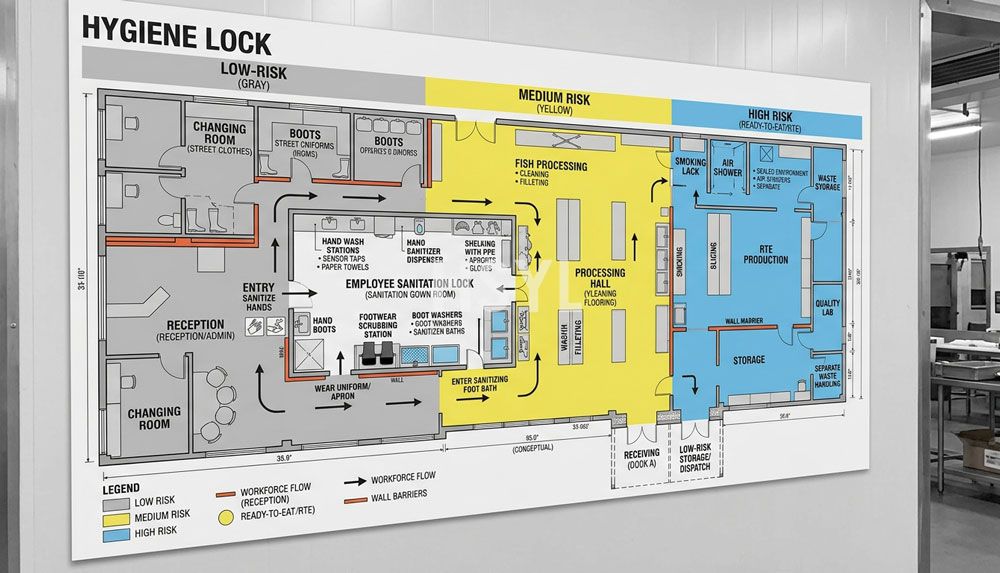
Manual handling increases cross-contamination risk and requires more sanitation labor. As export markets enforce stricter HACCP, FDA, and EU standards, labor-heavy processes become compliance liabilities.
Limited Scalability
Adding capacity in manual plants typically means adding headcount, floor space, and supervision. This linear scaling model makes expansion expensive and difficult to manage.
Production Bottlenecks
Uneven labor performance across shifts creates bottlenecks that reduce overall line efficiency, forcing overtime and additional staffing.
How Automation Reduces Labor Cost in Shrimp Processing
Automated Shrimp Deheading and Peeling Systems
Modern deheading and peeling machines can process large volumes of shrimp with minimal operator involvement. One trained operator can oversee multiple machines, replacing dozens of manual workers while delivering consistent output.
Automatic Size Grading and Sorting
Electronic graders use weight or optical systems to classify shrimp accurately at high speed. This eliminates manual sorting tables and reduces downstream inefficiencies caused by mixed sizes.
Integrated Conveyor-Based Line Design
Instead of moving shrimp manually between workstations, integrated conveyors transport product through washing, processing, inspection, and packing stages. This dramatically reduces handling labor and product damage.
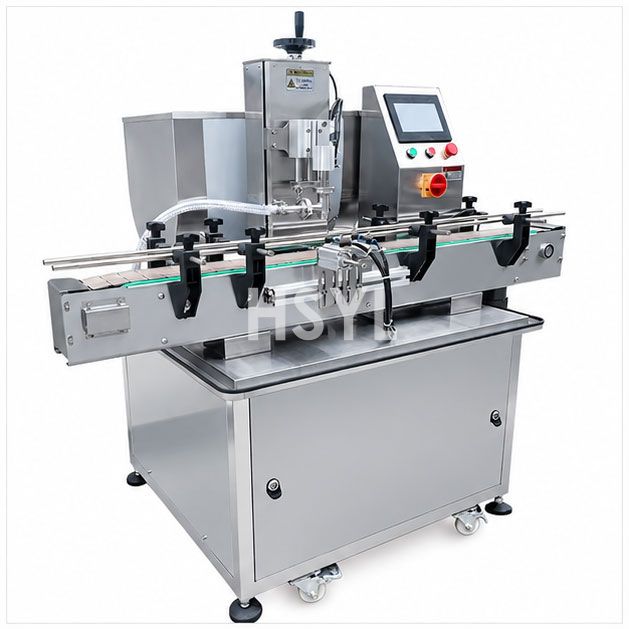
Automatic Weighing and Packing
Multihead weighers and automated packing machines reduce labor at one of the most labor-intensive stages of shrimp processing. Precise portion control also lowers giveaway, indirectly reducing cost per unit.
Centralized Control and Monitoring
PLC-controlled lines reduce the need for supervisory staff while enabling faster troubleshooting and predictable performance across shifts.
Key Equipment Features That Enable Labor Reduction
When evaluating solutions for how to reduce labor cost in shrimp processing, buyers should focus on equipment features that deliver sustained operational benefits:
Continuous-feed design to minimize manual loading
Tool-free disassembly for fast sanitation with fewer cleaners
Modular equipment layout for phased automation
Stainless steel food-grade construction for durability and compliance
Adjustable settings to accommodate multiple shrimp sizes and products
Low-maintenance mechanical design to reduce technician labor
The goal is not only to automate but to simplify operations, allowing fewer workers to manage more output with less fatigue and error.
Typical Applications and Production Scenarios
Automation strategies vary depending on product mix and market requirements.
Raw Frozen Shrimp (HOSO / HLSO)
Plants producing raw frozen shrimp benefit from automated washing, grading, deheading, and IQF freezing, significantly reducing sorting and handling labor.
Peeled and Deveined Shrimp (PD / PUD)
These high-labor products see the greatest labor savings from peeling and deveining machines combined with automatic inspection and weighing systems.
Cooked Shrimp Lines
Cooking, cooling, and packing lines require precise control and hygiene. Automated systems reduce manual handling in high-risk temperature zones, lowering both labor and food safety costs.
Export-Oriented Processing Plants
Facilities supplying the US, EU, and Japan prioritize automation to meet strict compliance requirements while keeping labor ratios manageable.
Capacity Options and Selection Guidance
Choosing the right capacity is central to how to reduce labor cost in shrimp processing effectively.
Small to Mid-Scale Plants (500–1,500 kg/h)
Partial automation—such as grading, peeling, and packing—can deliver significant labor savings without full line replacement.
Mid to Large Industrial Plants (2–5 tons/h)
Integrated shrimp processing lines with centralized control achieve the lowest labor cost per unit, especially when operating multiple shifts.
Expansion-Oriented Facilities
Modular systems allow processors to start with key automation points and expand as volume grows, avoiding overinvestment while still reducing labor dependency.
Capacity selection should consider peak raw material availability, not just average throughput, to avoid labor-intensive bottlenecks during high season.
Buyer Benefits Beyond Labor Cost Reduction
While labor reduction is the primary driver, modern shrimp processing lines deliver additional strategic benefits:
Improved product consistency and size accuracy
Higher yield and reduced meat damage
Better hygiene and audit readiness
Predictable production planning
Lower training and turnover impact
Enhanced ability to scale and diversify products
In competitive seafood markets, these benefits often outweigh direct labor savings in long-term ROI calculations.
Customization and Engineering Support
No two shrimp plants operate under identical conditions. Effective solutions for how to reduce labor cost in shrimp processing depend on customization and engineering integration, including:
Line layout adapted to existing buildings
Equipment configuration based on shrimp species and size range
Integration with existing freezing or packing systems
Utility optimization for water, steam, and power
Compliance alignment with target export markets
Experienced equipment manufacturers provide process simulation, layout planning, and commissioning support to ensure labor reduction targets are achieved in real operation—not just on paper.
Standards, Certifications, and Compliance Considerations
Automation must align with global food safety and equipment standards. Industrial shrimp processing equipment is typically designed according to:
HACCP-based hygienic design principles
ISO 9001 and ISO 22000 manufacturing systems
CE conformity for electrical and mechanical safety
FDA-aligned material and sanitation requirements
GMP-compatible construction and cleanability
Compliance-focused design reduces inspection labor, audit preparation time, and operational risk.
Conclusion: A Strategic Approach to Reducing Labor Cost in Shrimp Processing
Understanding how to reduce labor cost in shrimp processing requires moving beyond short-term staffing decisions toward long-term process optimization. Automation, when correctly applied, transforms labor from a cost burden into a controlled operational variable. For shrimp processors facing rising wages, labor shortages, and tightening food safety requirements, investing in well-engineered processing lines is no longer optional—it is a strategic necessity.
If you are evaluating how to reduce labor cost in shrimp processing for your facility, engaging with an experienced shrimp processing equipment solution provider can help you assess automation opportunities, capacity planning, and compliance alignment tailored to your production goals. A well-designed system delivers not only labor savings, but also stability, scalability, and confidence in global markets.
Frequently Asked Questions
What is the most effective way to reduce labor cost in shrimp processing?
Can small shrimp processors reduce labor cost without full automation?
How does automation impact shrimp yield?
Does automation increase maintenance labor?
How long does it take to see labor cost savings after automation?
Is automation suitable for multiple shrimp sizes and products?
What role does engineering support play in labor reduction?
Related Articles




Get professional consultation
Do you have any questions or need technical support regarding the content of this article? Fill out the form below, and our expert team will provide you with professional solutions.