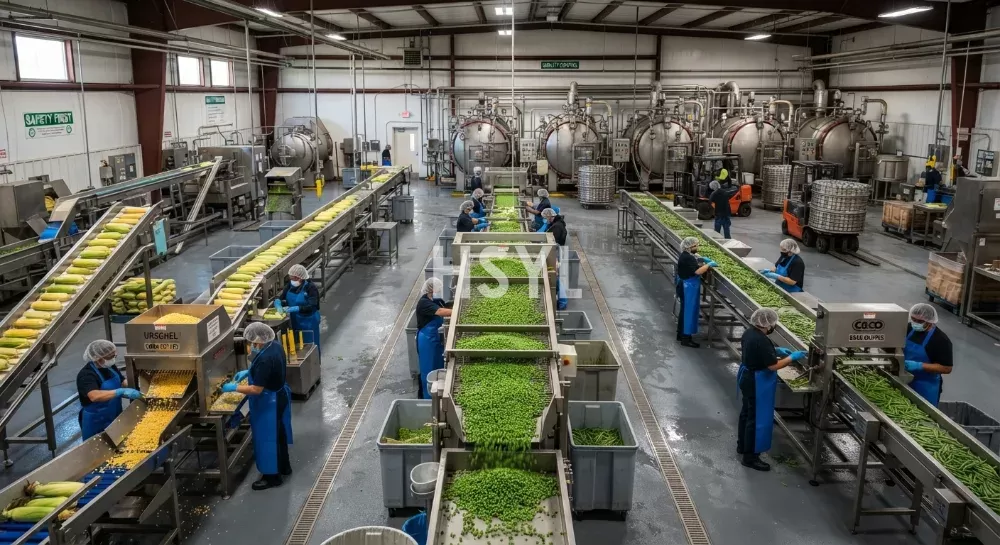
Low-Acid Canned Vegetables: Corn, Peas and Green Beans Processing Line
Low-acid canned vegetable processing line for corn, peas, and green beans. Press...
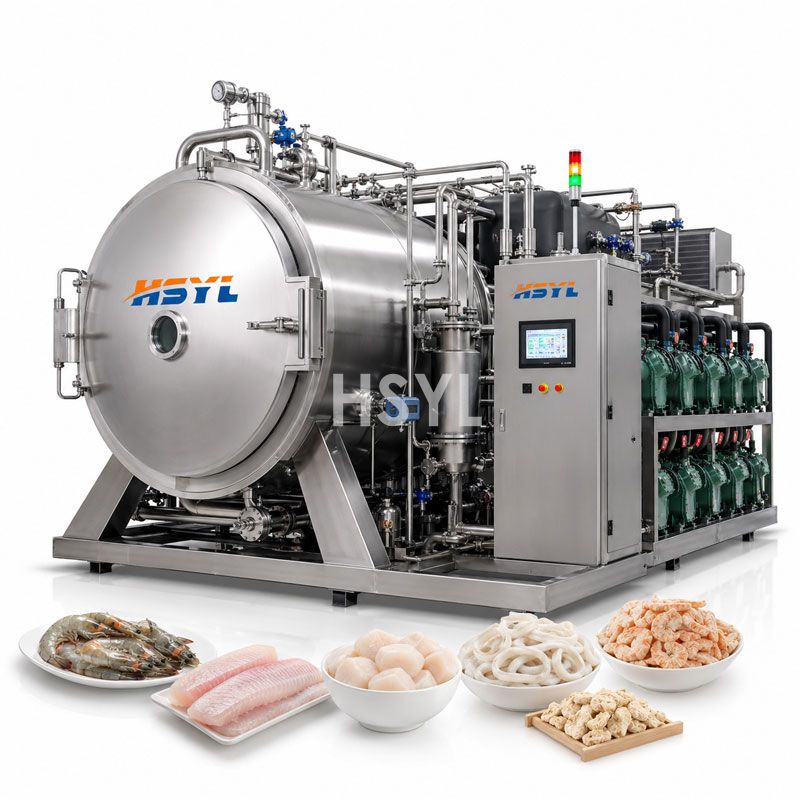
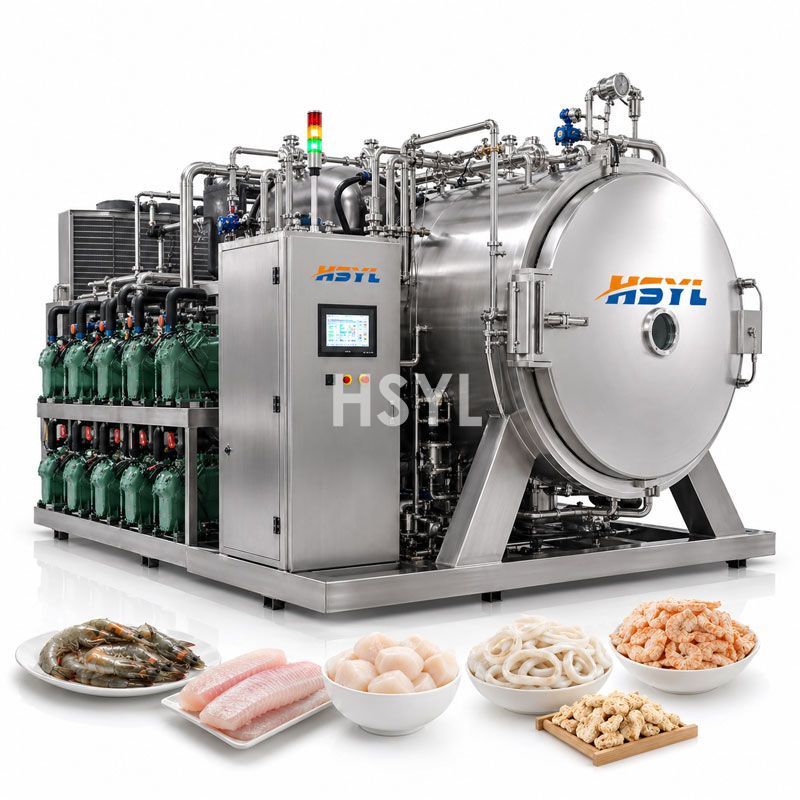
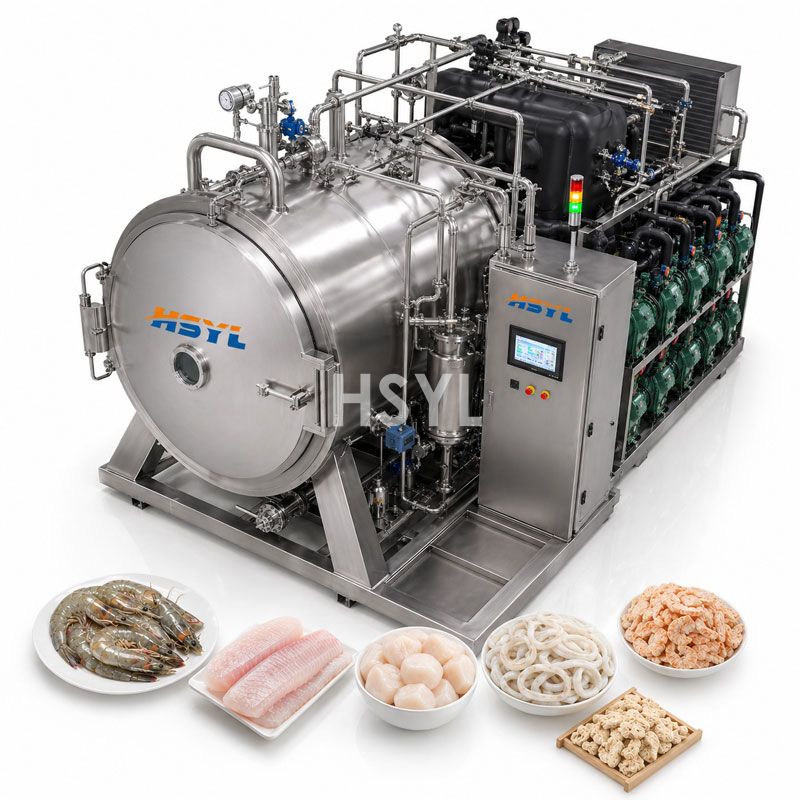
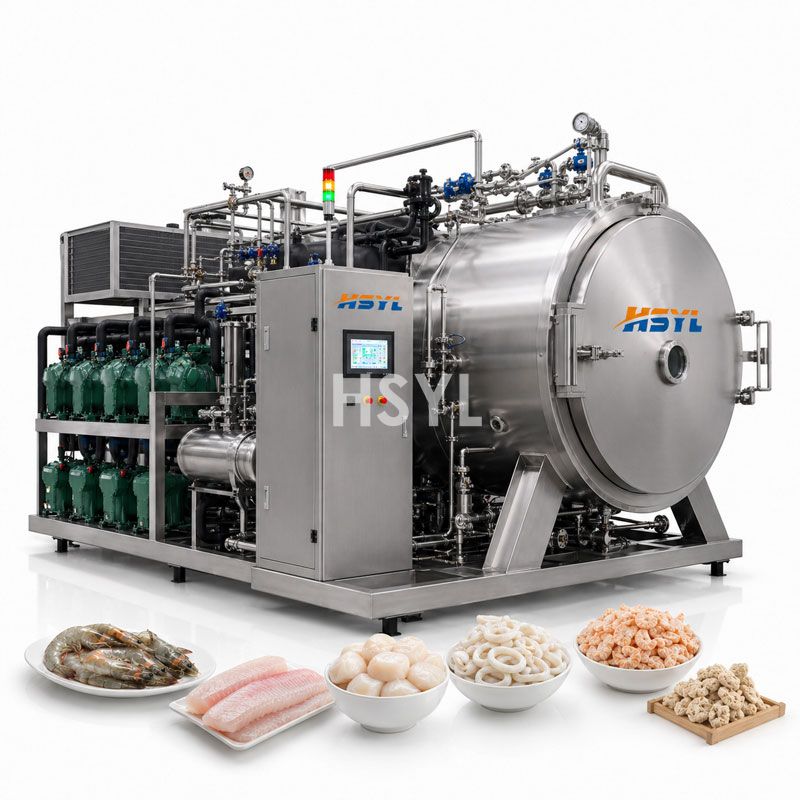
Safeguard extreme-value marine proteins with our customized seafood freeze dryer. Engineered with salt-resistant alloys and deep vacuum controls for sea cucumber and shrimp.
Processing premium marine products such as sea cucumbers, abalone, and deep-sea shrimp requires absolute mechanical precision. The raw material cost is exceptionally high, meaning there is zero tolerance for batch failures, textural collapse, or protein denaturation. Our customized seafood freeze dryer is built specifically for this elite sector. By offering OEM engineering adjustments, specialized salt-corrosion resistance, and ultra-sensitive vacuum throttling, we provide a lyophilization platform that perfectly preserves the shape, color, and rehydration capacity of delicate marine proteins.
| Freeze Dryer Model | Raw Seafood Load (kg) | Salt-Resistant Chamber Alloy | Usable Tray Area (m²) | Vacuum Pull-Down Time (min) | System Cooling Method | Primary PLC Interface |
|---|---|---|---|---|---|---|
| YLF-S200-OEM | 200 | Upgraded SUS316L | 20 | < 20 | Water Cooling Tower | Siemens Touch Panel |
| YLF-S500-OEM | 500 | Upgraded SUS316L | 50 | < 25 | Water Cooling Tower | Siemens Touch Panel |
| YLF-S1000-OEM | 1000 | Titanium-Alloy Condenser | 100 | < 30 | Water Cooling Tower | Allen-Bradley / Siemens |
| YLF-S2000-OEM | 2000 | Titanium-Alloy Condenser | 200 | < 35 | Water Cooling Tower | Allen-Bradley / Siemens |
Marine invertebrates like sea cucumbers have a highly complex, gelatinous wall structure. If the sublimation front moves too quickly through the tissue, or if the vacuum drops too aggressively, the internal moisture boils rather than sublimates. This causes irreversible microscopic ruptures, leading to a shriveled appearance and poor rehydration properties—fatal flaws in the luxury seafood market.
To secure end-product perfection, our equipment utilizes a dynamic, multi-stage recipe protocol. The silicone oil heating system gently applies thermal energy at a rate precisely matched to the tissue's geometric depth. By balancing the vapor pressure curve, the ice matrix is slowly evacuated directly into gas, leaving behind an intact, sponge-like protein scaffold that rehydrates to its original raw dimensions in minutes.
All marine products carry inherent salinity. Even after thorough upstream rinsing, the vapor drawn off during the primary drying phase contains corrosive trace salts. In entry-level machines, this salty vapor destroys the aluminum or basic 304 steel condensing coils over a few seasons, causing catastrophic refrigerant leaks.
We approach this engineering hurdle defensively. For heavy seafood applications, the condenser coils can be optioned with specialized protective coatings or entirely fabricated from aerospace-grade titanium tubing. The internal chamber surfaces are electropolished to remove all microscopic pitting where salt could accumulate, ensuring decades of leak-free operation under deep vacuum conditions.
Standardized food processing equipment rarely fits the unique handling requirements of aquatic species. We work directly with factory engineers to customize trolley dimensions, tray depths, and loading mechanisms. For example, processing whole shrimp requires an extremely hygienic upstream staging phase. By pairing our custom lyophilizer with a gentle fish shrimp bubble washing machine, processors ensure no antennae or shells are damaged prior to freezing.
Furthermore, we can modify the door mechanisms and trolley rails to interface directly with existing blast freezers, preventing any temperature spikes as high-value seafood is transferred into the vacuum chamber.
The market is rapidly expanding beyond bulk ingredients into high-end retail ready-to-eat products. Factories are pivoting to produce crispy scallop medallions, freeze-dried oysters, and exotic aquatic snacks. As detailed in our engineering guides covering vacuum dehydration for seafood niche snacks, the operational flexibility of the freeze dryer is a massive competitive advantage.
Do not compromise your premium marine products with generic dehydration technology. Contact our project engineers today to explore custom tray configurations, titanium condenser options, and specific lyophilization curves for your seafood processing facility.
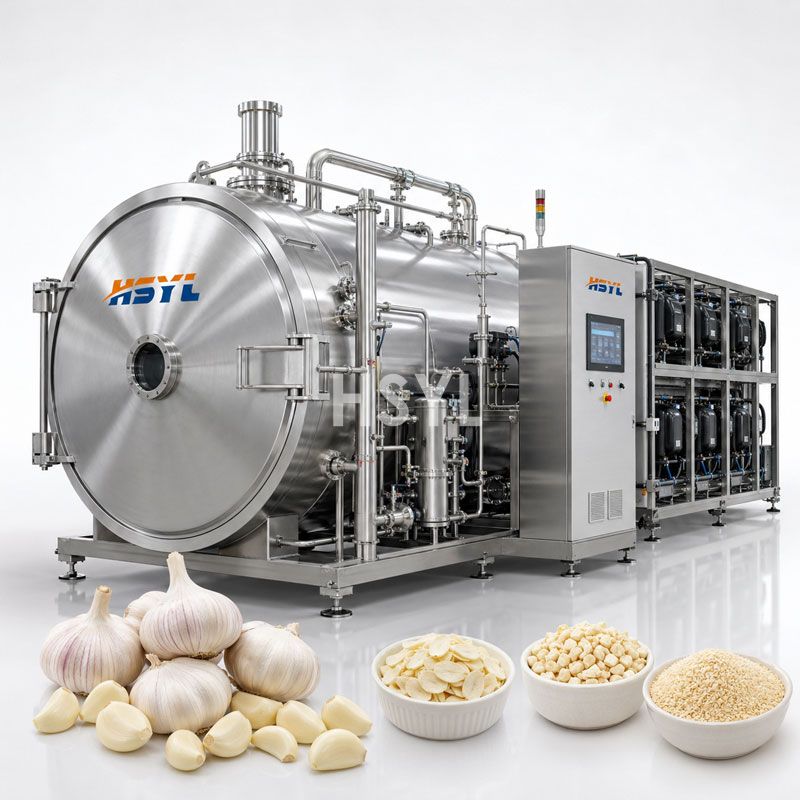
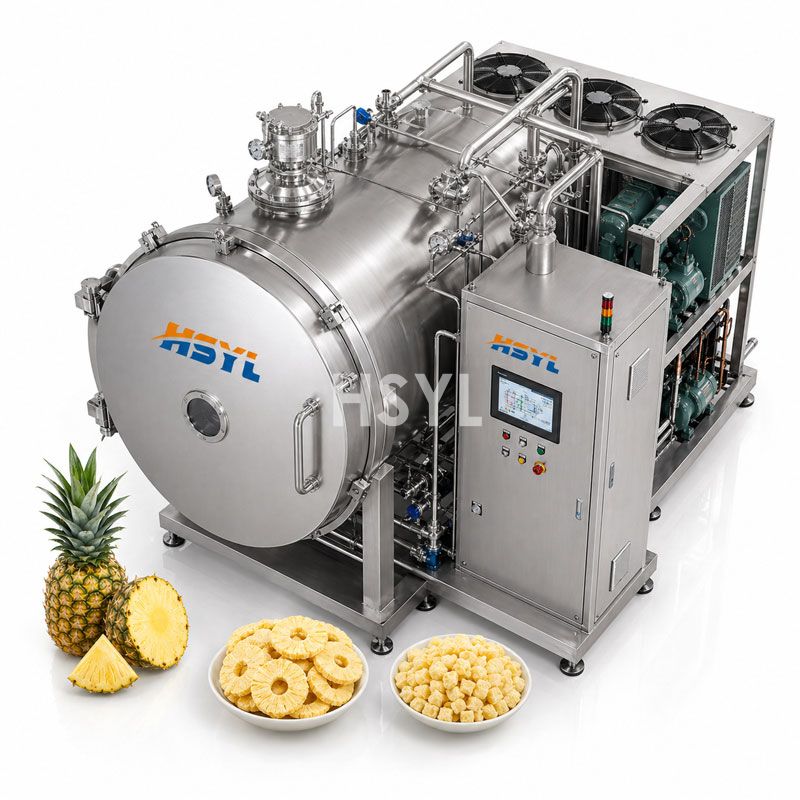
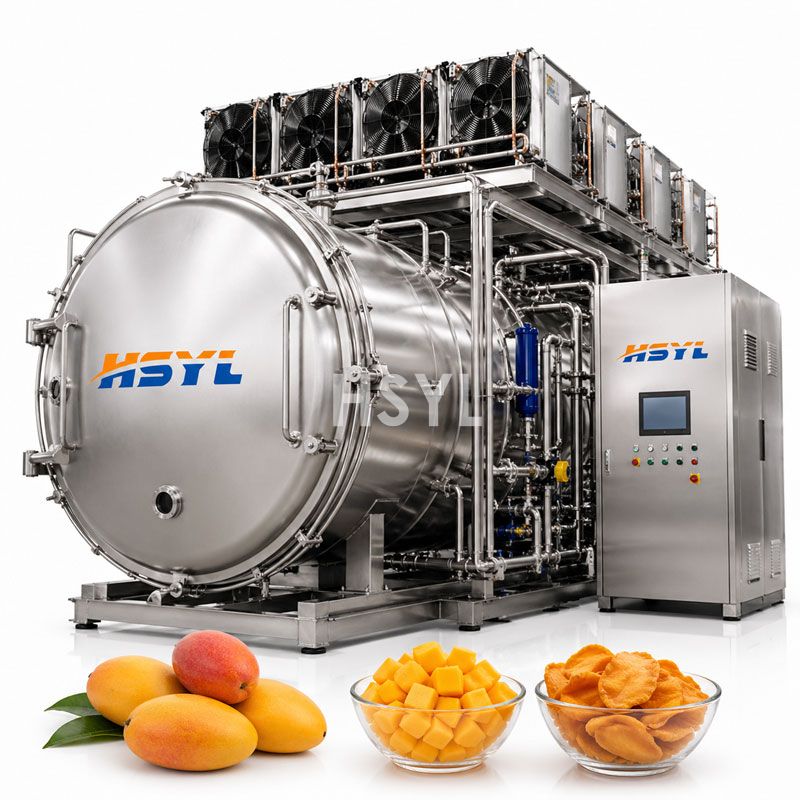


Low-acid canned vegetable processing line for corn, peas, and green beans. Press...
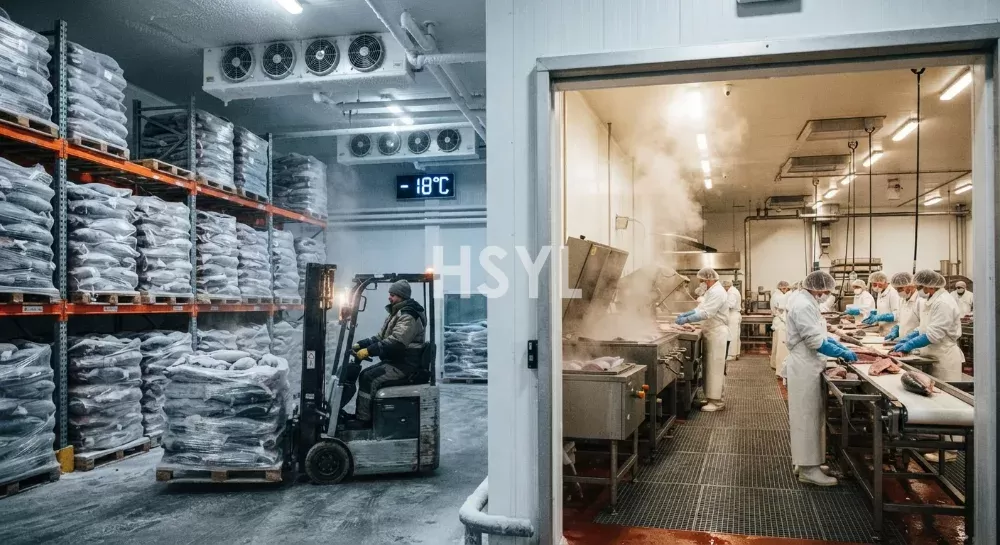
Direct AnswerThe most expensive asset in a fish cannery is not the retort or the...
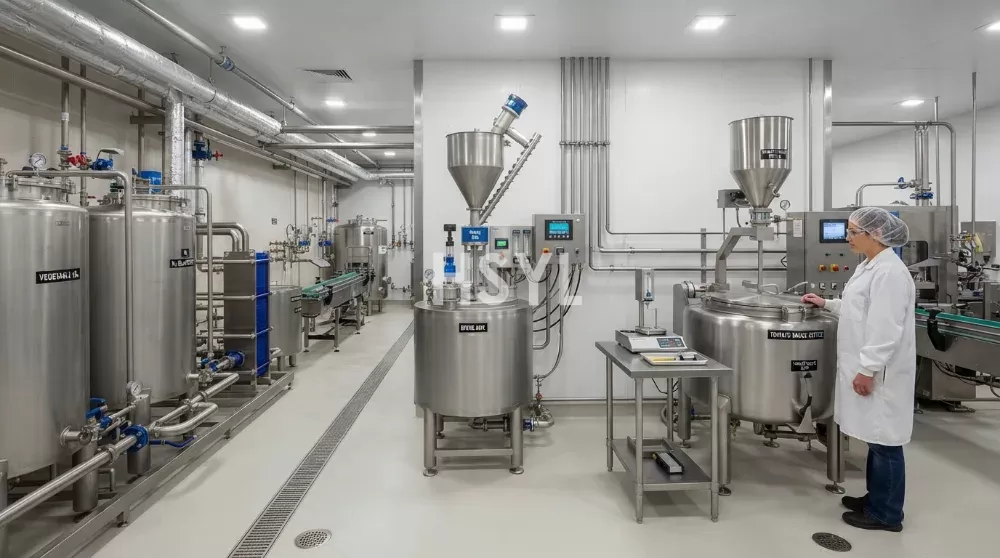
The filling medium — the liquid that fills the void spaces between the fish piec...
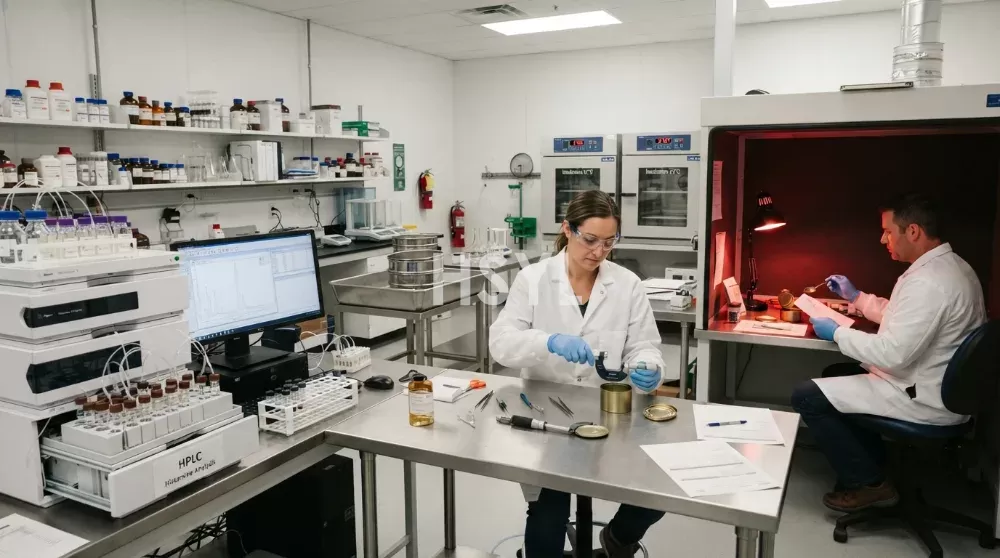
Complete sardine and mackerel canning line: heading and gutting automation, can ...