Sardine and Mackerel Canning: Small Pelagic Fish Processing Line
Complete sardine and mackerel canning line: heading and gutting automation, can ...
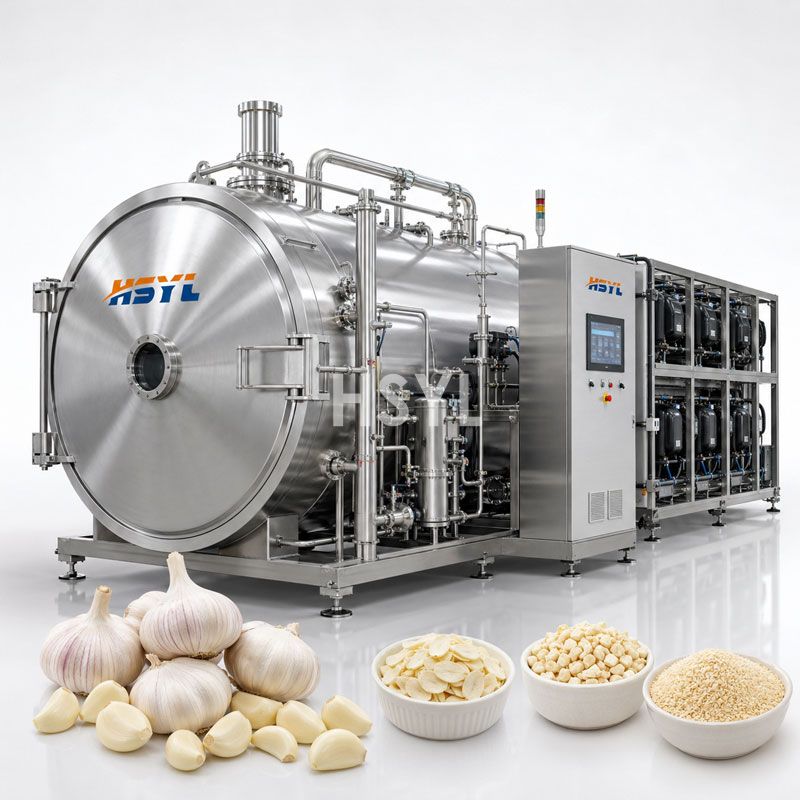
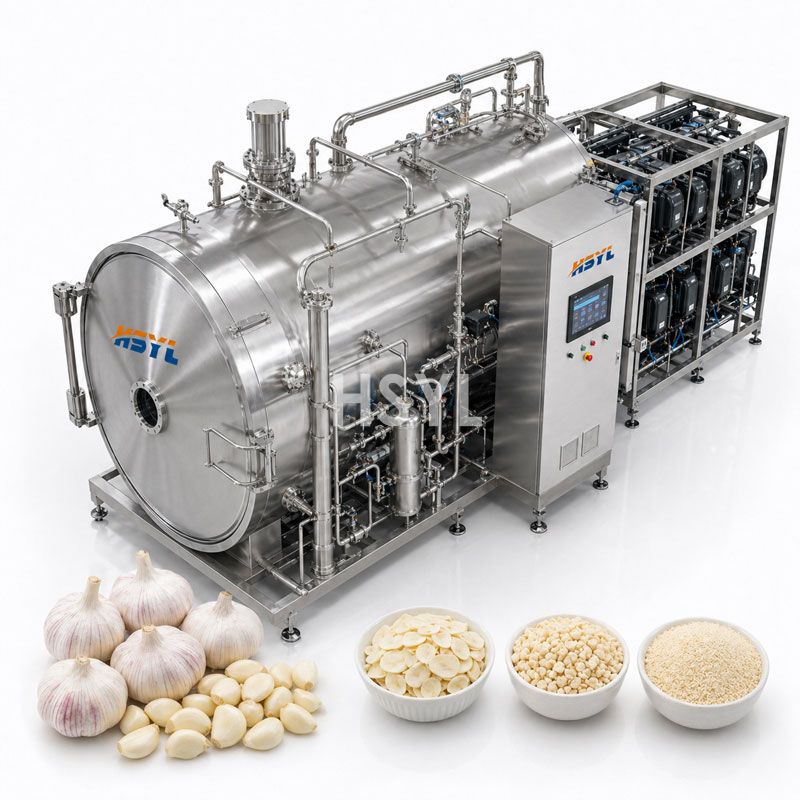
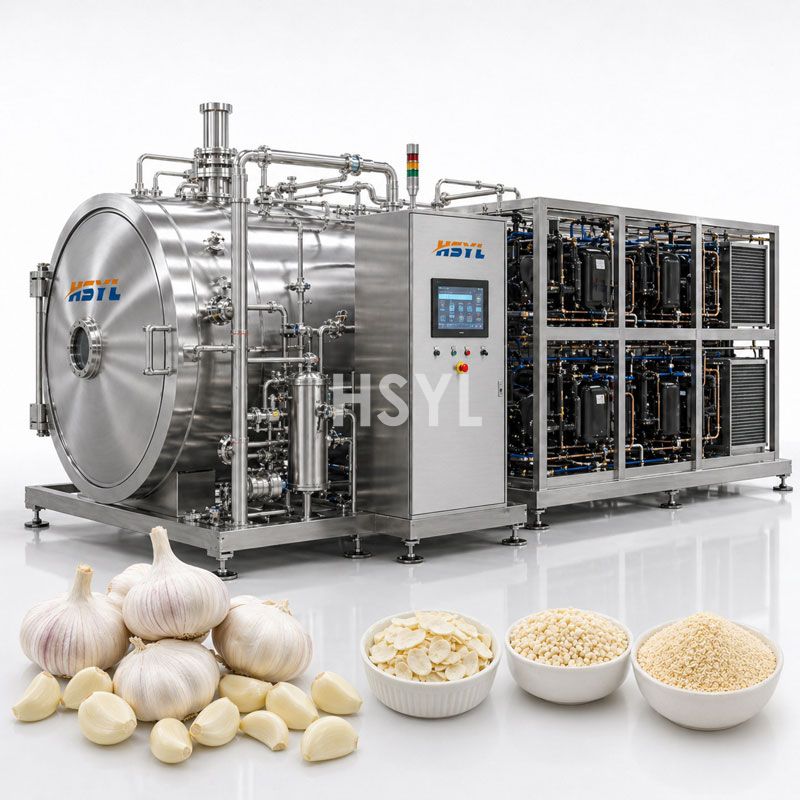
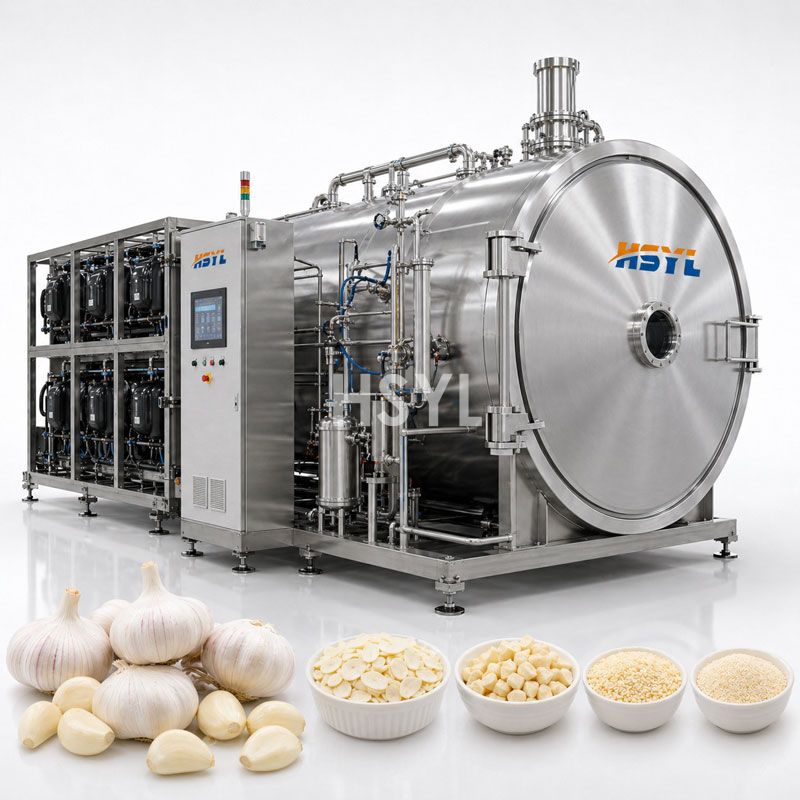
Prevent flavor cross-contamination with our industrial garlic freeze dryer. Featuring integrated CIP cleaning and deep vacuum extraction for bulk garlic powder and clove processing.
Processing pungent root vegetables like garlic introduces extreme challenges related to volatile organic compounds (VOCs). The powerful essential oils, specifically allicin, vaporize under vacuum and heavily coat the interior of the machine. Our industrial garlic freeze dryer is explicitly designed to combat flavor cross-contamination. Built with comprehensive hygienic washdown capabilities and an exhaust-optimized vacuum architecture, plant managers can safely switch from processing bulk garlic cloves to neutral vegetables without risking odor transfer.
| Equipment Model | Garlic Clove Capacity (kg) | Cold Trap Architecture | CIP Spray Balls | Vacuum Pump Configuration | Door Seal Material | Floor Space (m²) |
|---|---|---|---|---|---|---|
| YLF-G300 | 300 | Rear-Mounted Cylindrical | 4 Units | Rotary Vane + Roots Blower | Food-Grade Fluororubber | 12 |
| YLF-G800 | 800 | Side-Mounted Rectangular | 6 Units | Rotary Vane + Roots Blower | Food-Grade Fluororubber | 21 |
| YLF-G1500 | 1500 | External Independent Trap | 10 Units | Dual Stage + Roots Booster | Food-Grade Fluororubber | 35 |
| YLF-G2500 | 2500 | External Independent Trap | 14 Units | Dual Stage + Roots Booster | Food-Grade Fluororubber | 52 |
When garlic is freeze-dried, the vacuum environment forces not only water vapor but also potent aromatic oils to off-gas from the cellular matrix. In standard dehydrators, these microscopic oil droplets condense on the cold trap coils and deeply impregnate the stainless steel surface pores. If left untreated, the entire machine becomes permanently compromised, ruining the flavor profile of any subsequent fruit or mild vegetable batches.
This equipment solves this by utilizing a highly polished, mirror-finish inner chamber (Ra < 0.4 µm) that prevents volatile oils from adhering to the walls. Additionally, the cold trap is spatially isolated and equipped with specialized defrosting baffles. This ensures that the pungent condensate is completely flushed down a dedicated sanitary drain line, physically separating the hazardous waste stream from the sterile drying zone.
Manual scrubbing of a massive vacuum chamber is dangerous, time-consuming, and ultimately ineffective against chemical odors. To guarantee absolute food safety compliance, this lyophilizer is designed for full compatibility with automated factory sanitation networks.
By connecting the machine to an external CIP cleaning machine, operators can run automated sequences of hot caustic soda, neutralizers, and pure steam directly through the integrated 360-degree spray nozzles. This blasts away any lingering allicin residue from the deepest crevices of the heat transfer plates, ensuring that the machine is entirely odor-neutral and bacteriologically sterile before the next raw material is loaded.
Freeze-drying whole cloves or minced garlic is rarely a standalone procedure. For large spice manufacturers, the dehydrated output is often destined for milling. The dry, brittle nature of lyophilized garlic makes it exceptionally easy to crush into fine powders without the clumping associated with traditional hot-air drying.
To maximize operational efficiency, this freeze dryer serves as the critical dehydration hub within a broader garlic powder production line. Raw bulbs are automatically peeled, separated, and sliced upstream. After the rapid freeze-drying cycle concludes, the ultra-dry garlic flakes are pneumatically conveyed into high-speed hammer mills and particle classifiers, creating a fully automated, continuous spice manufacturing ecosystem.
Garlic requires a very careful thermal ramp-up. If the heating shelves are too hot, the edges of the minced garlic will scorch and turn bitter, entirely destroying the premium quality expected of freeze-dried spices. The internal heating plates are grouped into independently controlled thermal zones via the PLC. This allows the system to deliver precise, lower-temperature thermal energy to the outer edges of the trays while driving more heat to the dense center of the product mass, eliminating uneven drying.
Protect your facility from flavor contamination while producing premium freeze-dried spices. Contact our engineering team to request a 3D equipment footprint or consult with us on CIP integration requirements.
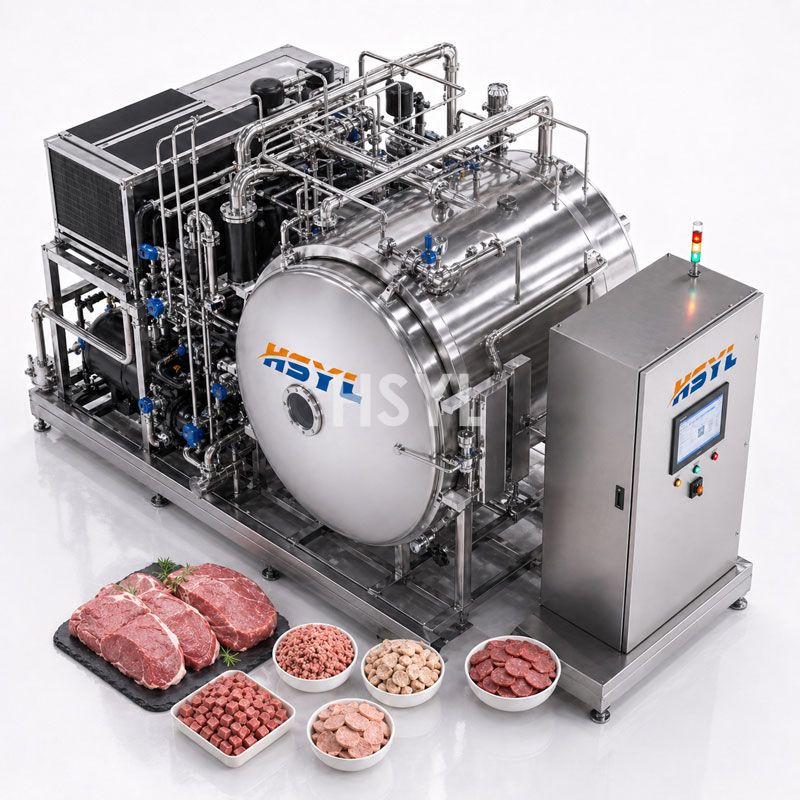
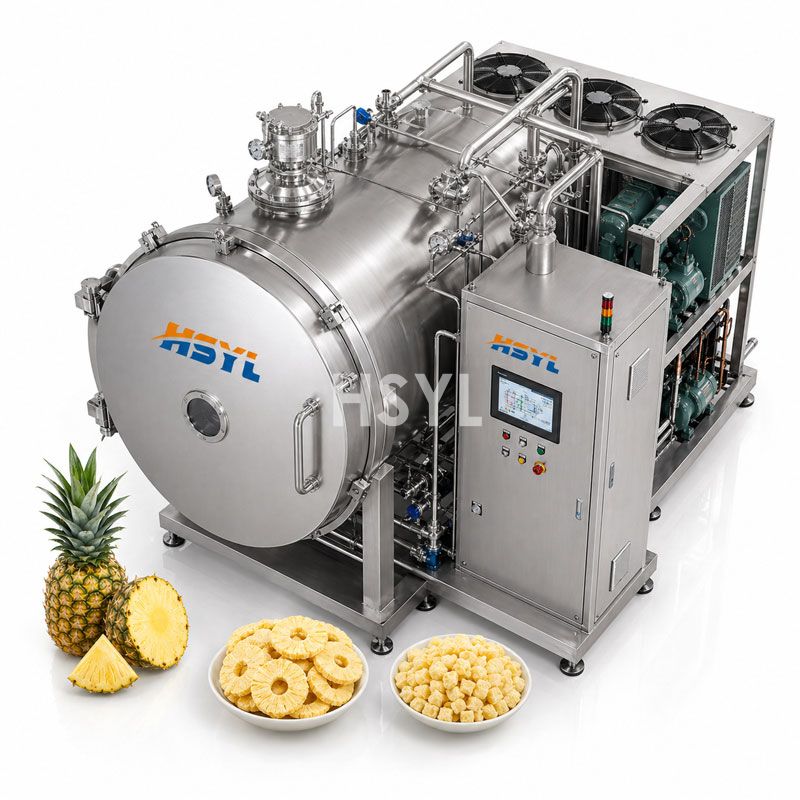
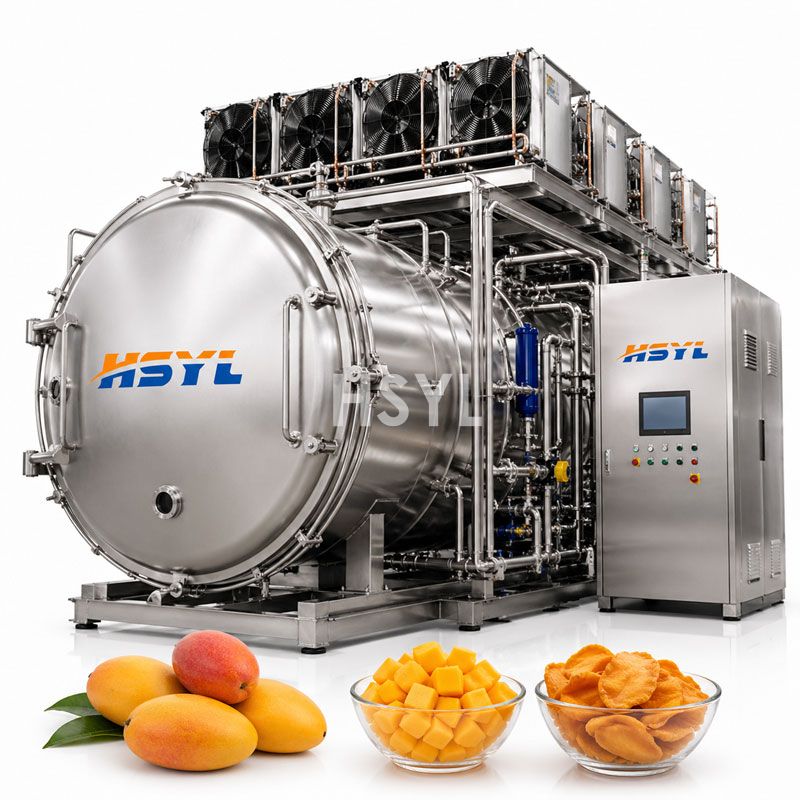


Complete sardine and mackerel canning line: heading and gutting automation, can ...
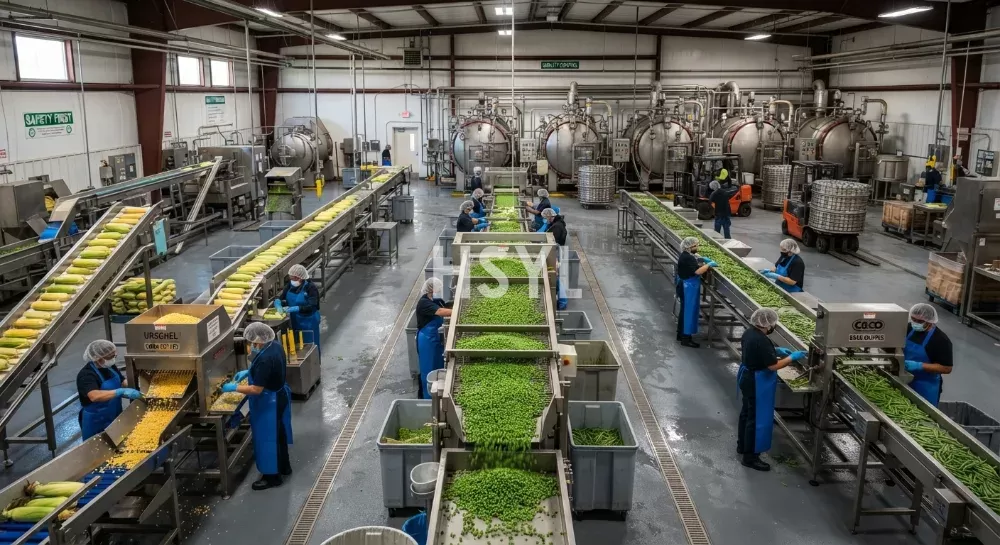
Low-acid canned vegetable processing line for corn, peas, and green beans. Press...
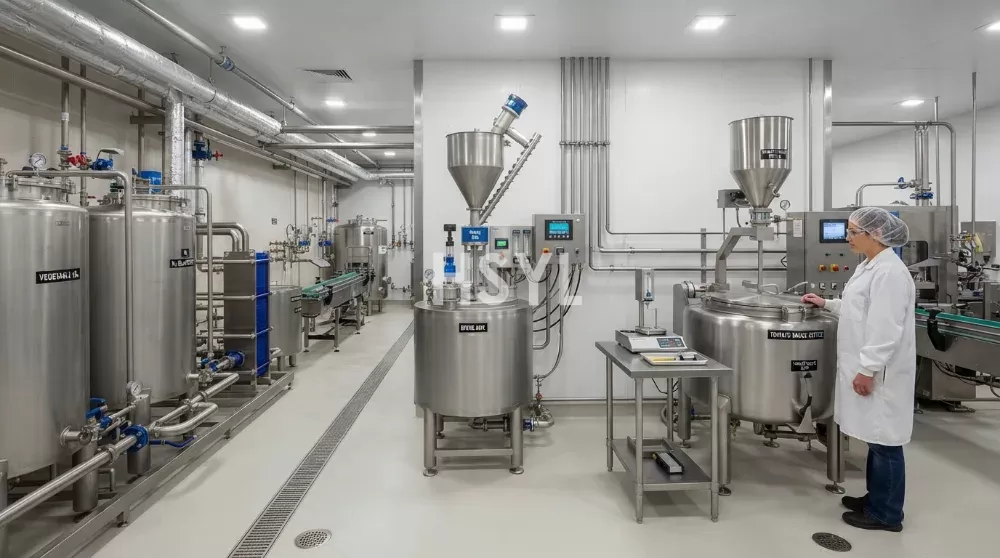
The filling medium — the liquid that fills the void spaces between the fish piec...
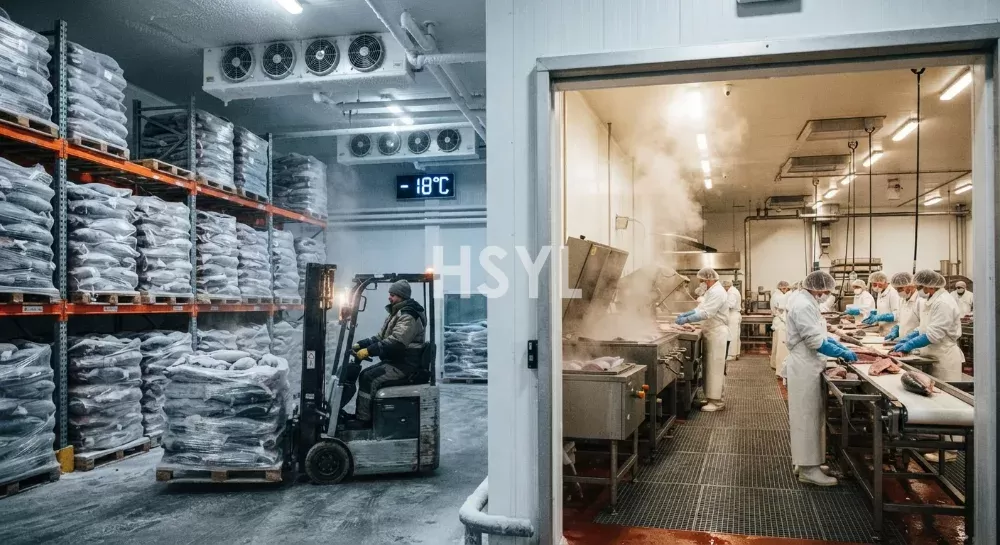
Direct AnswerThe most expensive asset in a fish cannery is not the retort or the...