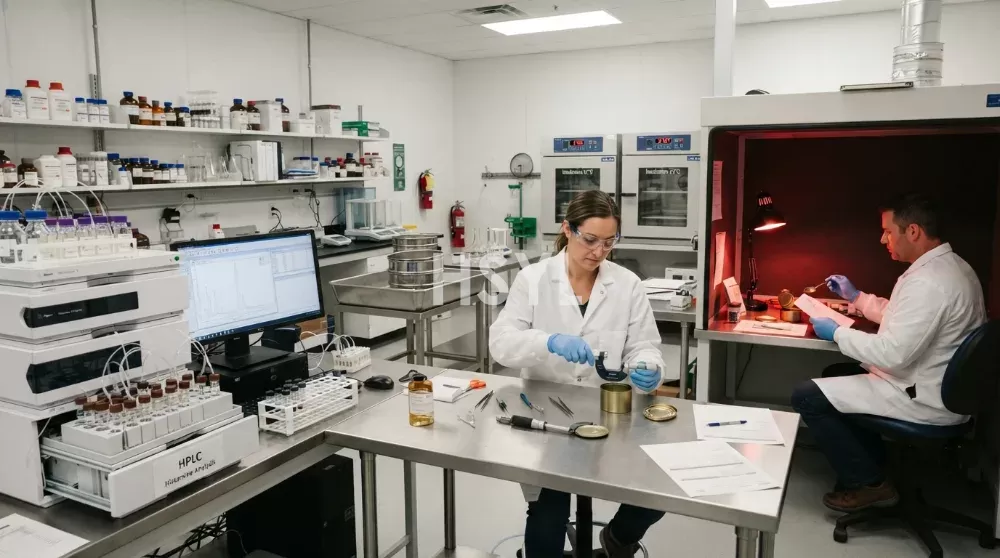
Sardine and Mackerel Canning: Small Pelagic Fish Processing Line
Complete sardine and mackerel canning line: heading and gutting automation, can ...


High-efficiency CIP (Cleaning-in-Place) systems for dairy, beverage, and pharma industries. PLC-automated sanitization for tanks and piping. Ensure HACCP compliance.
Maintaining biological safety in liquid food production requires more than surface-level rinsing; it demands a scientifically calibrated CIP Cleaning System (Cleaning-in-Place). For industrial beverage, dairy, and liquid pharmaceutical plants, the ability to sanitize internal surfaces of tanks, heat exchangers, and piping without disassembly is the primary factor in minimizing downtime and preventing cross-contamination. HSYL’s CIP stations are engineered to automate the critical variables of time, temperature, and chemical concentration, ensuring that every square millimeter of the contact surface meets the most stringent HACCP and FDA standards.
The core philosophy behind our CIP engineering is the deterministic elimination of biofilms and residues. By creating a high-velocity turbulent flow (typically >1.5 m/s) within the processing lines, the system uses mechanical shear force in tandem with high-temperature chemical reactions to strip proteins and scale. This level of automated deep-cleaning is essential for high-throughput facilities, such as a pasteurized milk processing line, where any residual organic matter can lead to catastrophic batch spoilage and regulatory recalls. Our systems transition your facility from manual scrubbing risks to a validated, repeatable sanitary regime.
| Technical Field | Automatic Triple-Tank CIP Configuration |
|---|---|
| Tank Capacities | 1,000L - 5,000L (Acid, Alkali, Fresh Water) |
| Pump Discharge Pressure | 0.3 - 0.5 MPa (Ensuring Turbulent Flow) |
| Flow Rate Range | 5 m³/h to 40 m³/h (Scaleable) |
| Material Grade | SUS316L (Contact Parts), SUS304 (Frame) |
| Cleaning Temp Window | 60°C to 95°C (PLC Modulated) |
| Concentration Monitor | E+H or Anderson-Negele Conductivity Sensors |
| Automation Level | Full Siemens S7 PLC with Touchscreen HMI |
Modern CIP engineering relies on real-time feedback loops. Our HMI-driven control systems monitor the conductivity of the return line to distinguish between water, acid, and alkali phases with surgical precision. This pulse-dosing technology prevents the over-consumption of chemicals and ensures that detergent concentrations remain within the efficacy window. Furthermore, the synchronization with upstream systems, such as an automatic beverage production line, allows the CIP station to initiate cleaning cycles automatically upon batch completion, effectively creating a "Smart Factory" environment where sanitation is a data-driven process rather than an operational variable.
To meet international engineering standards (USDA, CE, BRC), HSYL utilizes only top-tier sanitary components. Our centrifugal pumps are specifically designed for low NPSHr to prevent cavitation during hot detergent cycles, while the pneumatic valve arrays feature double-seat mixproof technology to prevent chemical seepage into the water lines. Each system is delivered with a comprehensive Documentation Package, including IQ/OQ (Installation/Operational Qualification) protocols, enabling your quality control team to validate the sterilization results for third-party audits. From standalone 2-tank units for micro-breweries to centralized 5-tank systems for massive dairies, we provide the turnkey integration required for modern liquid processing.
Optimize Your Plant Hygiene Today. Contact our solution architects for a customized CIP layout design, detergent consumption analysis, or a detailed quote on a system tailored to your specific tank farm and pipeline volume. Reach out now to enhance your facility's E-E-A-T and food safety validation.


Complete sardine and mackerel canning line: heading and gutting automation, can ...
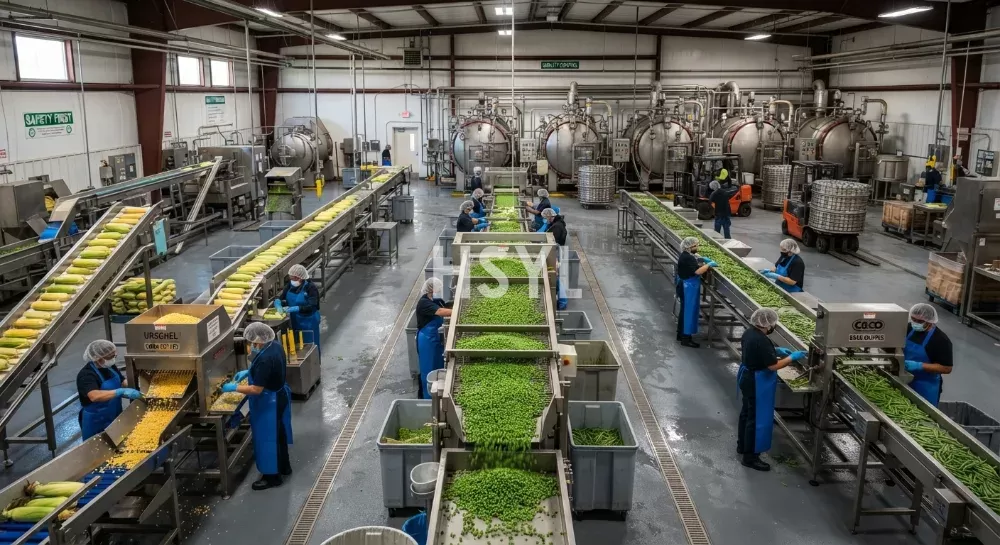
Low-acid canned vegetable processing line for corn, peas, and green beans. Press...
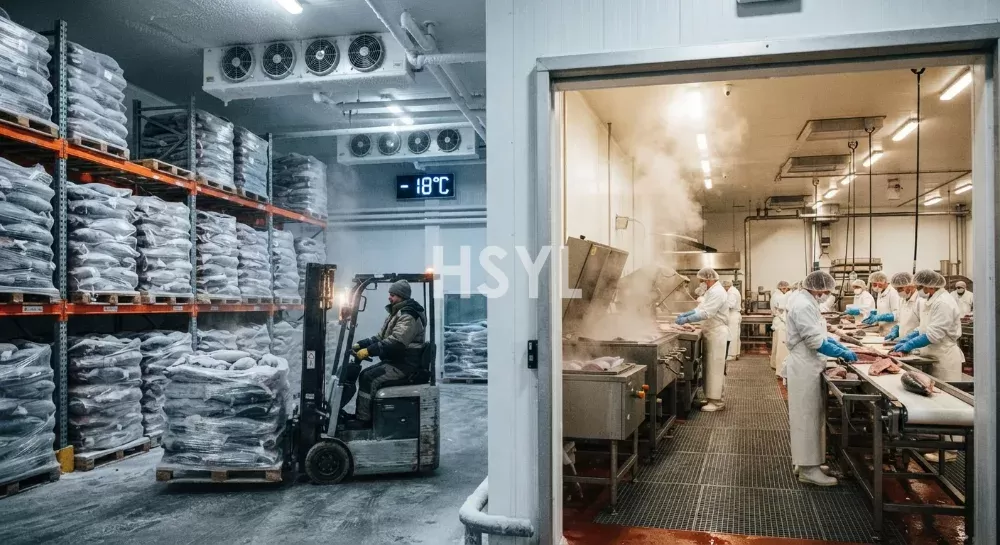
Direct AnswerThe most expensive asset in a fish cannery is not the retort or the...
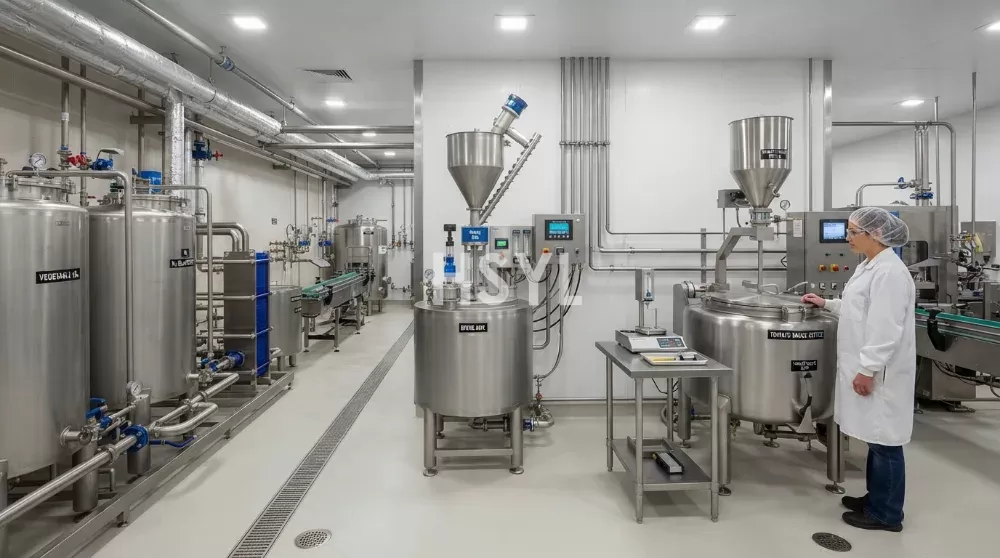
The filling medium — the liquid that fills the void spaces between the fish piec...