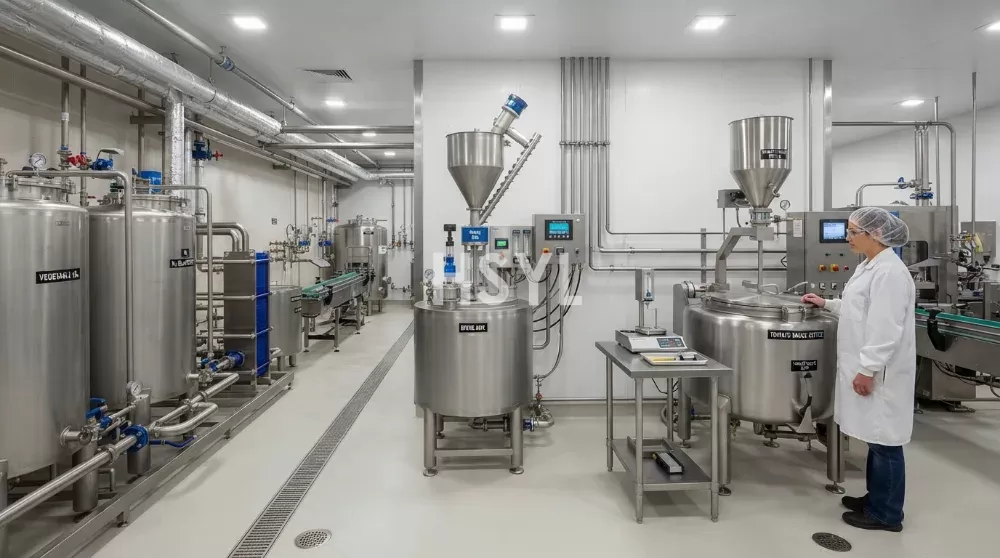
Canned Fish Filling Media: Oil, Brine, Tomato Sauce and Flavored Sauce Systems
The filling medium — the liquid that fills the void spaces between the fish piec...


Heavy-duty 2000 BPH tunnel bottle washing machine designed for beverage & dairy lines. Features multi-stage SUS304 high-pressure spray and CIP integration.
Operating a continuous bottling plant requires strict microbial control and reliable throughput. The Tunnel-Wash-2000BPH addresses the precise sanitation challenges found in dairy processing, juice bottling, and pharmaceutical liquid packaging facilities. By maintaining strict separation between the pre-wash, heated chemical wash, and final purified rinse zones, this unit actively prevents cross-contamination. The compact yet heavy-duty structural footprint integrates directly into high-speed production environments, reducing municipal water consumption by routing runoff through a secondary filtration and recirculation tank.
| Parameter | Specification |
|---|---|
| Model | Tunnel-Wash-2000BPH |
| Capacity | 2000 BPH (Bottles Per Hour) |
| Main Drive Power | 10 kW (380V / 50Hz / 3-Phase standard) |
| Dimensions (L x W x H) | 1500 mm x 1000 mm x 1400 mm |
| Net Weight | 1200 kg |
| Washing Stages | 3-Stage (Pre-rinse, Hot Caustic Wash, Final Pure Rinse) |
| Water Consumption | Approx. 0.8 - 1.2 Tons/Hour (with active recycling) |
| Construction Material | SUS304 Food-Grade Stainless Steel |
Sanitation efficacy in continuous bottle processing relies on sustained water pressure, temperature consistency, and targeted fluid dynamics. We designed this specific model to tackle stubborn particulate matter and microbiological residues inherent in protein-rich or high-sugar beverage lines.
When integrating this washing unit into a larger facility architecture, compatibility with downstream packaging is critical. Facilities connecting the washer directly to a liquid filling machine achieve a continuous, sterile transfer environment, removing the need for manual handling between the sanitation and filling phases.
Consistent bottle spacing and smooth transit mitigate the risk of glass breakage or PET deformation. The primary 10 kW power allocation is distributed across heavy-duty centrifugal circulation pumps and the central mechanical conveyor drive. Driven by an industrial Variable Frequency Drive (VFD), the conveyor chain speed can be precisely calibrated via the central PLC control screen to match the exact output of upstream accumulation tables.
The conveyor track utilizes low-friction, high-temperature-resistant POM (Polyoxymethylene) or optional stainless steel chain links, depending on the thermal limits of the chemical wash stage. An integrated safety clutch mechanism immediately halts the drive motor if an irregular bottle causes a localized jam, protecting the transmission gearbox from overload forces. System diagnostics, pump status, and thermal readings are continuously logged and displayed on an IP65-rated HMI touch panel.
The 1500mm x 1000mm footprint makes the Tunnel-Wash-2000BPH highly adaptable for central kitchens or mid-scale beverage plants operating under spatial constraints. Despite the condensed length, the internal baffle design maximizes bottle dwell time under the spray manifolds. Facilities handling dairy products typically utilize a caustic wash temperature of 75°C to 80°C. The external heat exchanger manifolds accept standard industrial steam inputs, allowing rapid temperature ramp-up without straining electrical utility limits.
Changeover between different bottle formats requires minimal downtime. The overhead guide rails are adjusted manually via centralized handwheels, accommodating container diameters ranging from 50mm to 120mm without requiring specialized tooling.
Engineered for global deployment, the electrical control panels utilize CE-certified contactors and relays from internationally recognized brands. All wetted components and mechanical tracking systems adhere strictly to FDA material guidelines and equivalent European food safety directives. Our engineering teams provide comprehensive Installation and Commissioning (I&C) services on-site, alongside detailed mechanical layouts and utility consumption forecasts to assist plant managers in the preliminary facility planning stage.


The filling medium — the liquid that fills the void spaces between the fish piec...
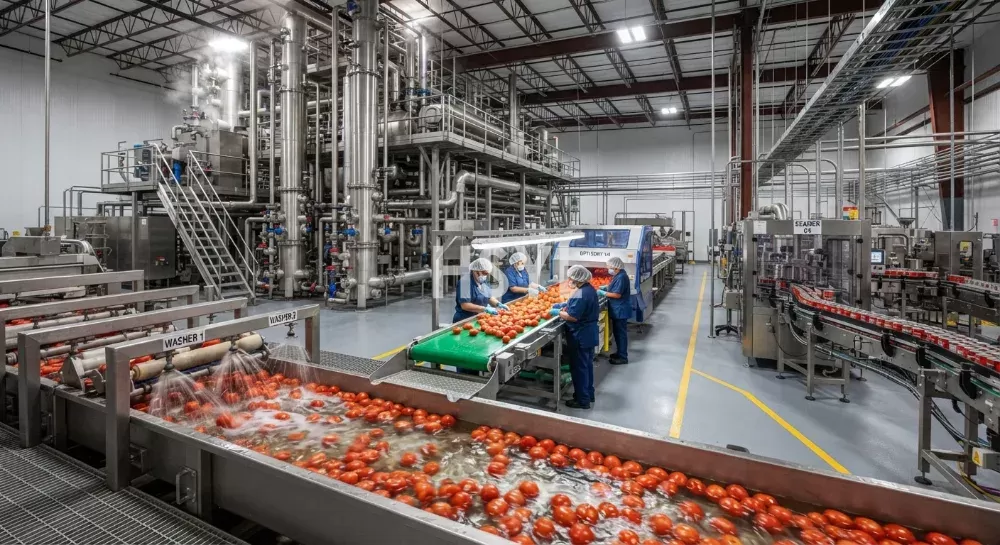
Direct AnswerA tomato products canning line converts fresh tomatoes into four di...
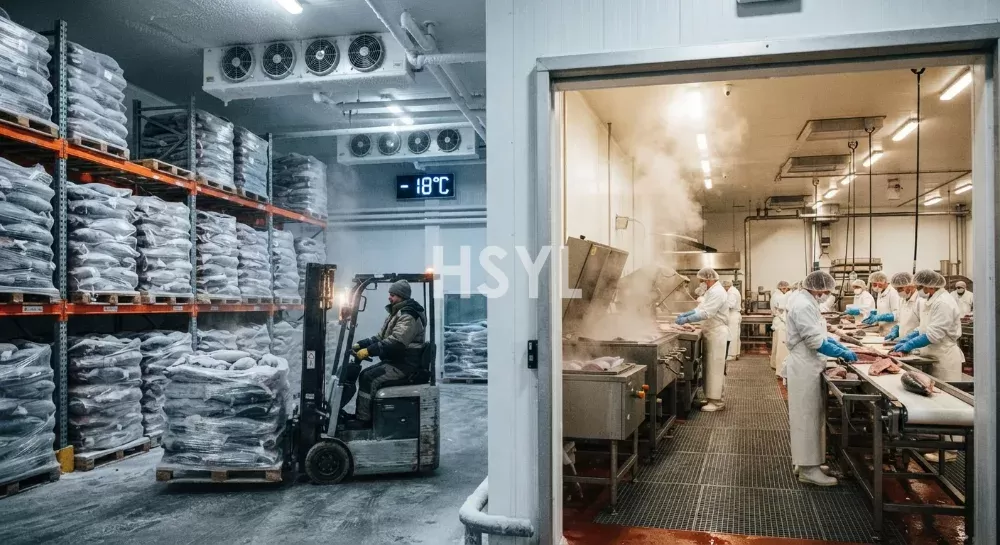
Direct AnswerThe most expensive asset in a fish cannery is not the retort or the...
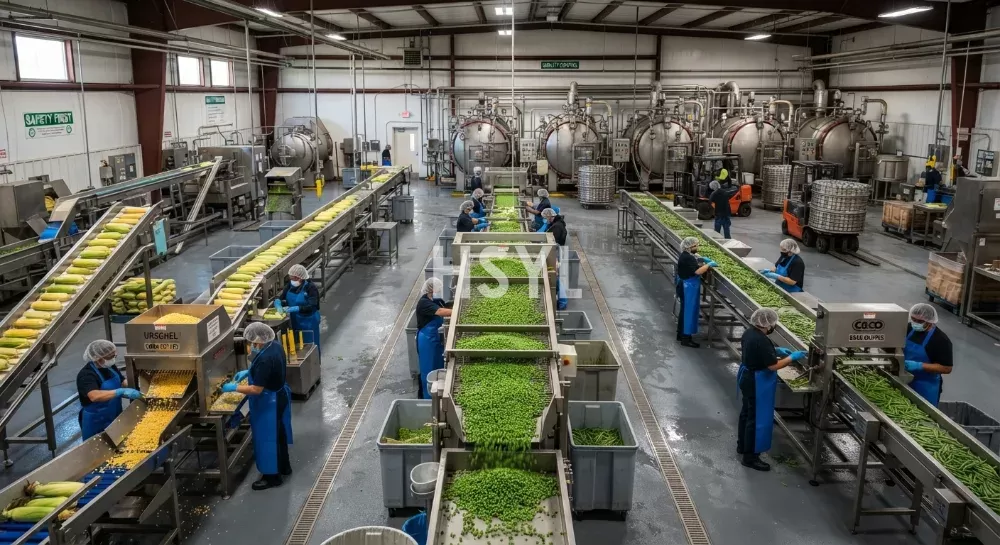
Direct AnswerA low-acid canned vegetable processing line — corn, peas, and green...