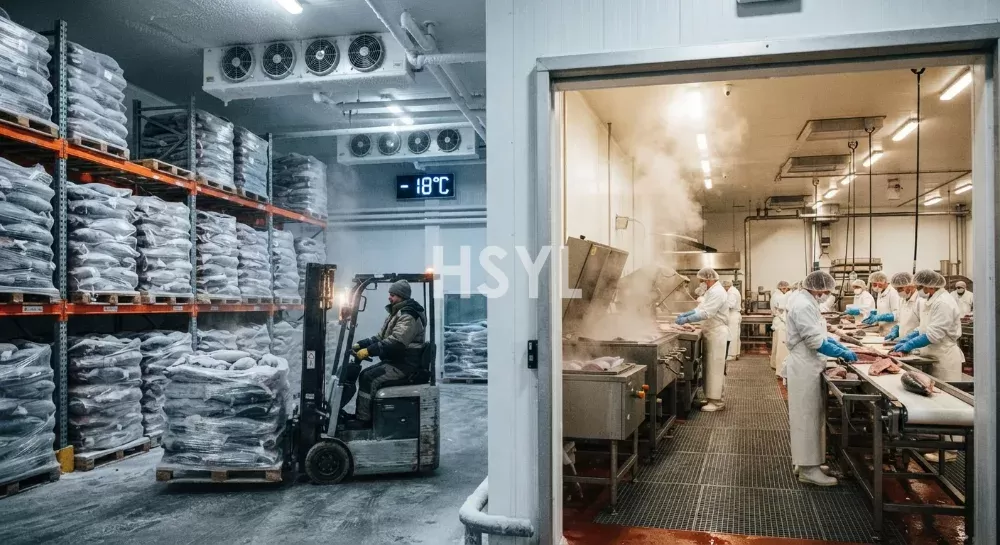
Seasonal Fish Canning: Cold Storage, Multi-Species Rotation and Year-Round Line Utilization
Direct AnswerThe most expensive asset in a fish cannery is not the retort or the...
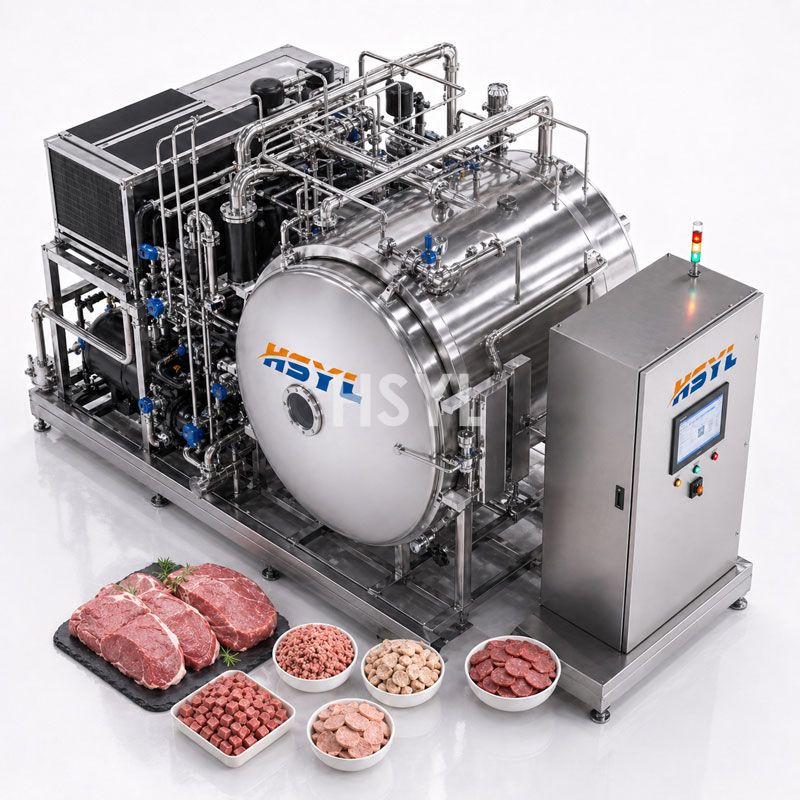
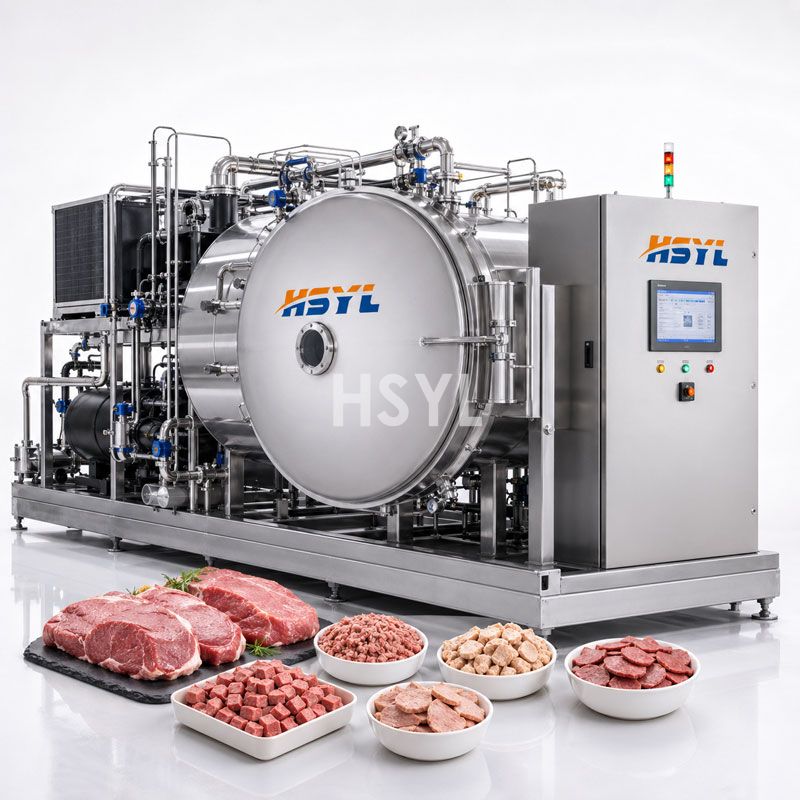
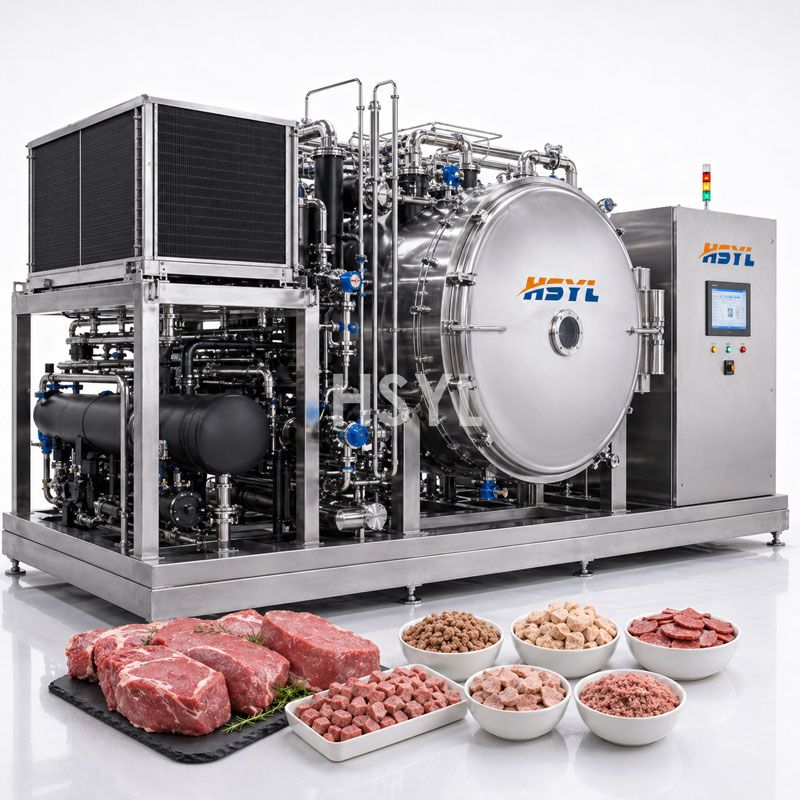
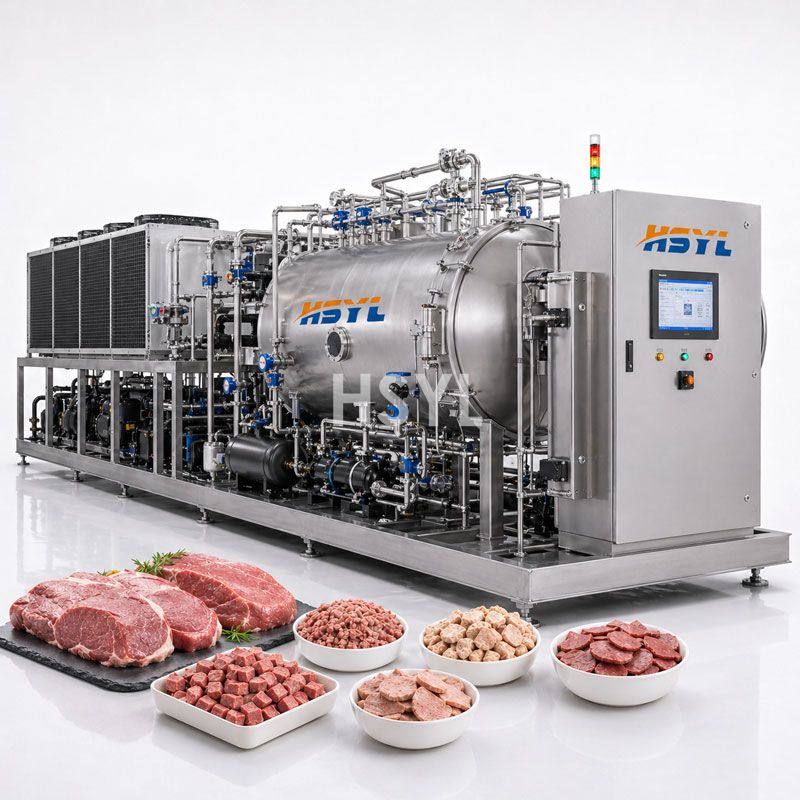
Optimize your raw meat and premium pet food processing with our industrial meat freeze drying machine. Engineered to prevent protein denaturation and lipid oxidation at high volumes.
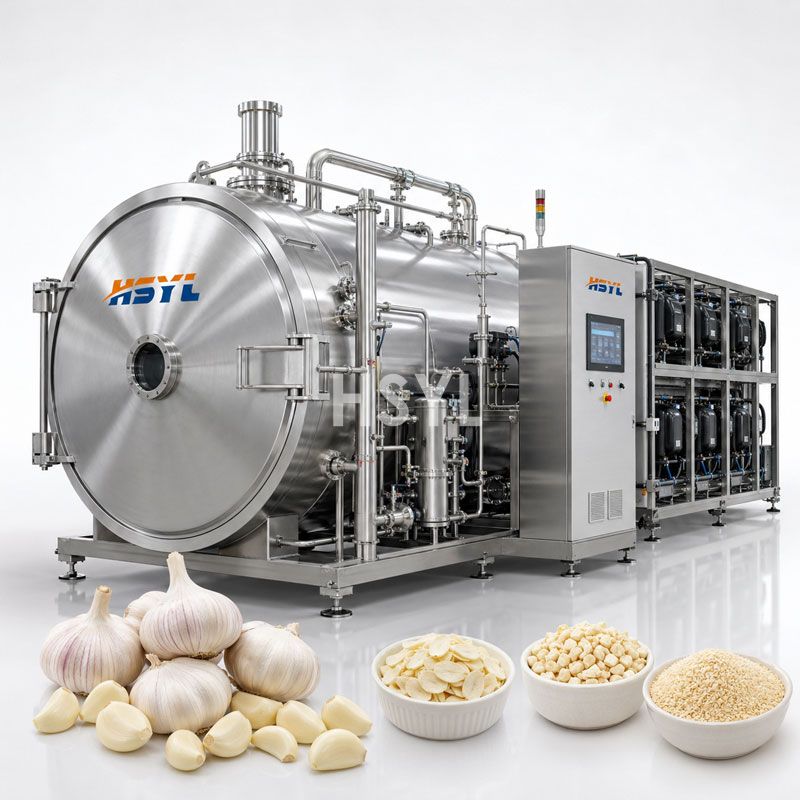
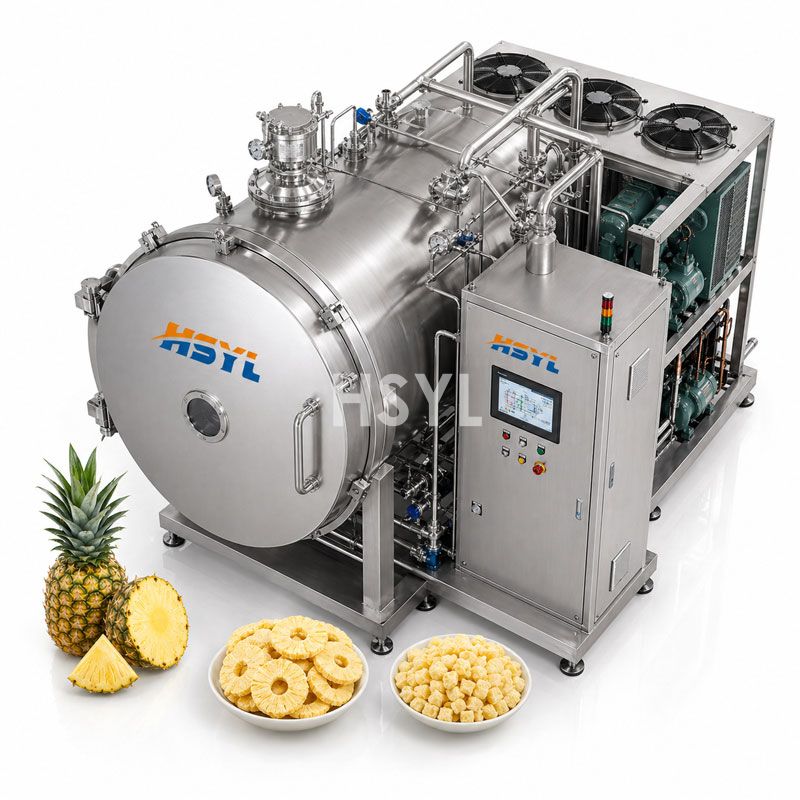
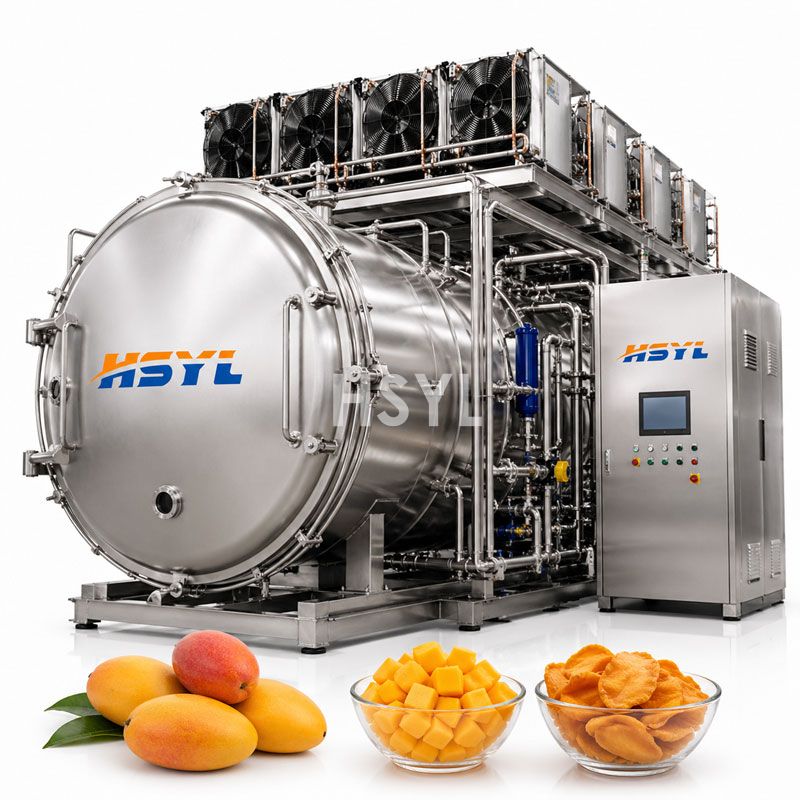
Dehydrating raw animal proteins requires exceptionally rigorous thermal and vacuum management. Unlike plant-based materials, meat possesses complex cellular matrices rich in sensitive myoglobin, dense muscle fibers, and highly unstable lipids. Our commercial meat freeze drying machine is explicitly engineered to handle high-value raw proteins. By strictly maintaining deep vacuum parameters and employing ultra-precise shelf heating, this equipment ensures zero protein denaturation, prevents fat rendering, and yields a biologically safe, nutrient-dense freeze-dried product for both human consumption and the booming premium pet food sector.
| System Series | Raw Meat Max Load (kg) | Vacuum Leak Rate (Pa·L/s) | Heating Plate Area (m²) | Refrigeration Staging | Total Chamber Volume (m³)Structural Frame | Structural Frame |
|---|---|---|---|---|---|---|
| YLF-M400 | 400 | <0.01 | 40 | Dual Cascade Compressors | 8.5 | Heavy-Gauge SUS304 |
| YLF-M800 | 800 | <0.01 | 80 | Dual Cascade Compressors | 16.0 | Heavy-Gauge SUS304 |
| YLF-M1500 | 1500 | < 0.01 | 150 | Multi-Compressor Rack | 32.5 | Heavy-Gauge SUS304 |
| YLF-M2500 | 2500 | < 0.01 | 250 | Multi-Compressor Rack | 50.0 | Heavy-Gauge SUS304 |
The primary technical risk when freeze-drying raw meat—particularly high-fat cuts or organ meats—is eutectic melting. If the vacuum pressure fluctuates or the heating plates supply thermal energy faster than the ice can sublime, the meat's internal temperature will rise above the critical freezing point. The intramuscular fat will render and smear across the surface, blocking further moisture escape and creating a tough, unsafe core.
To combat this, the lyophilizer features a dynamic PID-controlled silicone fluid heating matrix. The PLC constantly cross-references the internal chamber pressure with the core temperature probes embedded in the meat. The heating curve is automatically throttled back if the system detects any risk of localized thawing, ensuring the solid ice matrix transitions directly into vapor. This meticulous control preserves the microscopic fibrous network of the meat, allowing for near-instant rehydration.
For industrial-scale meat processors, equipment isolation is a liability. The raw material must be prepared precisely to ensure uniform drying rates. Variations in meat cube thickness will cause massive discrepancies in batch cycle times. Therefore, it is highly recommended to integrate this freeze dryer immediately downstream of a fully automated meat dicing machine.
By automating the upstream cutting process, factories can guarantee identical 10mm or 15mm meat cubes. These uniformly sized pieces can be rapidly loaded onto the drying trays and transferred into the blast freezer, minimizing the time the raw meat is exposed to ambient factory temperatures and severely restricting microbial growth windows.
The global explosion in demand for biologically appropriate raw diets (BARF) for pets has made freeze-drying a cornerstone of modern pet food manufacturing. Producing these high-margin treats and kibble toppers requires a fundamentally different approach than standard rendering or extrusion.
Our engineering team specializes in configuring these massive vacuum chambers as the operational heart of your facility. By carefully balancing trolley staging areas, freezing tunnels, and the lyophilization cycle, we help investors and plant managers execute a highly profitable industrial freeze dried pet food production a plant blueprint. This ensures that the massive daily throughput required by OEM brands is met without compromising the stringent biological safety standards required for raw meat.
Raw meat processing introduces severe pathogen risks, including Salmonella and E. coli. While freeze-drying removes the moisture pathogens need to multiply, it does not act as a sterilization step. Therefore, the absolute hygienic integrity of the machine is paramount. The internal chamber is subjected to multi-point mirror polishing and radiused corner welding, completely eliminating dead zones where raw meat juice or blood could pool and putrefy.
Upgrade your protein processing capabilities with our heavy-duty lyophilization technology. Speak with our B2B sales engineers today to discuss fat-handling capabilities, request a detailed compressor energy consumption report, or schedule a consultation for your new pet food facility.


Direct AnswerThe most expensive asset in a fish cannery is not the retort or the...
Complete sardine and mackerel canning line: heading and gutting automation, can ...
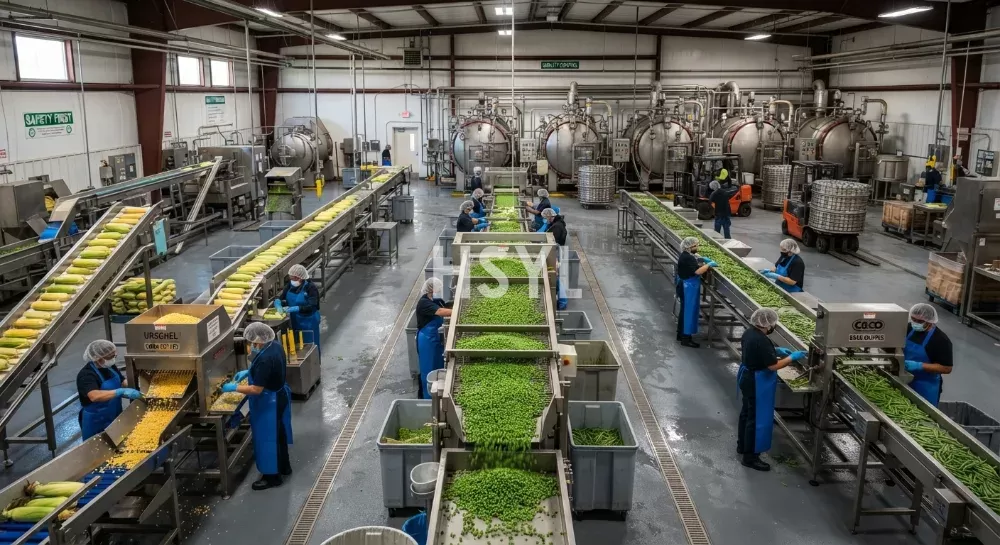
Low-acid canned vegetable processing line for corn, peas, and green beans. Press...
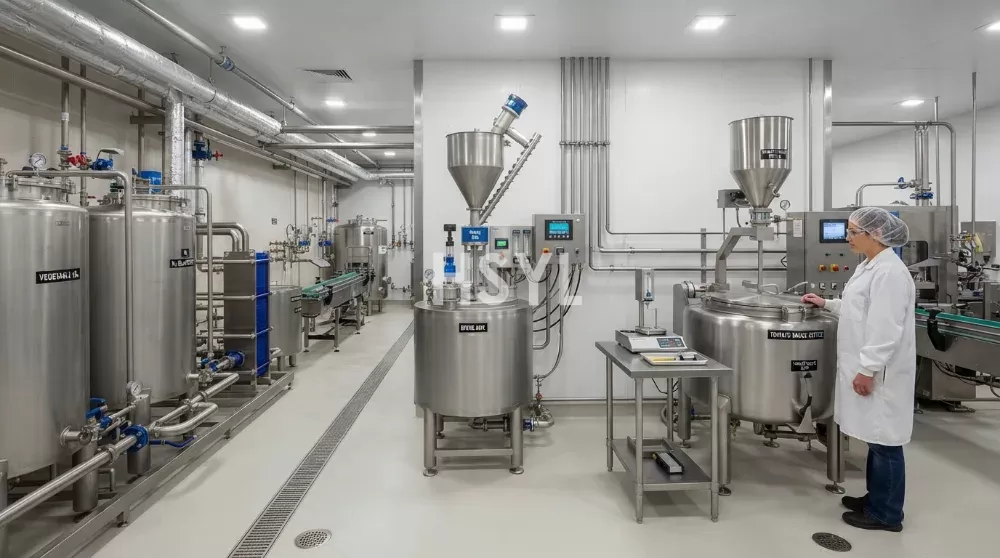
The filling medium — the liquid that fills the void spaces between the fish piec...