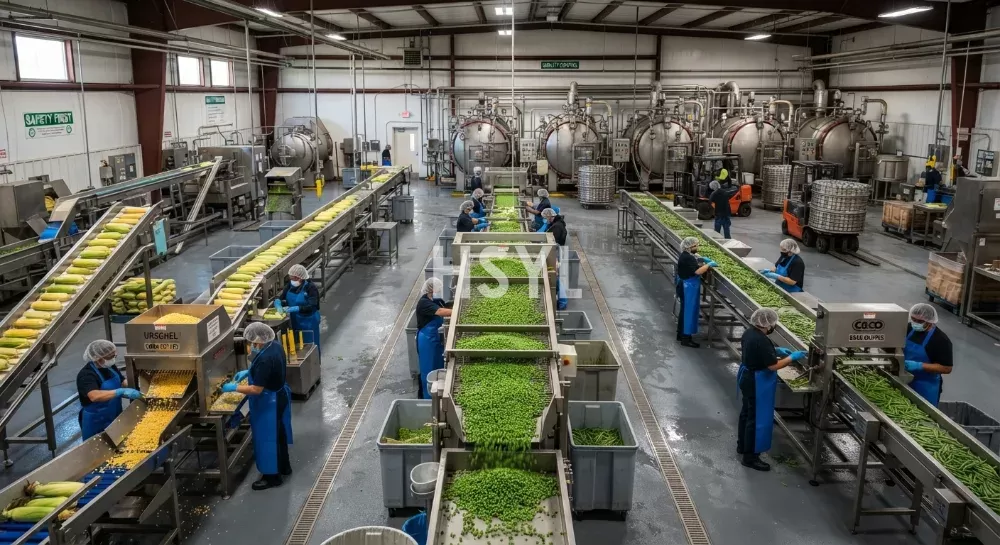
Low-Acid Canned Vegetables: Corn, Peas and Green Beans Processing Line
Low-acid canned vegetable processing line for corn, peas, and green beans. Press...
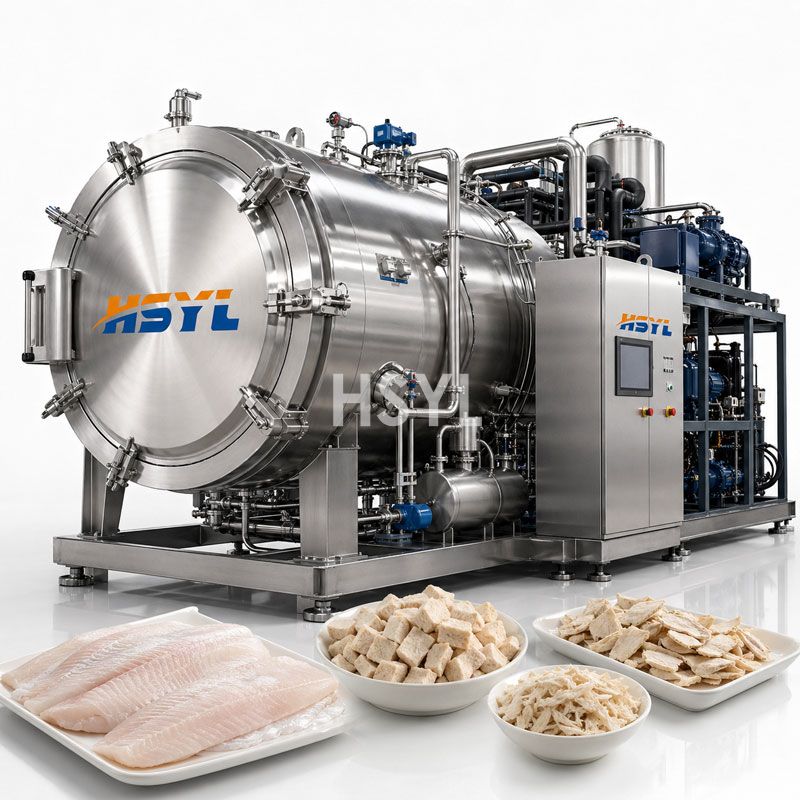
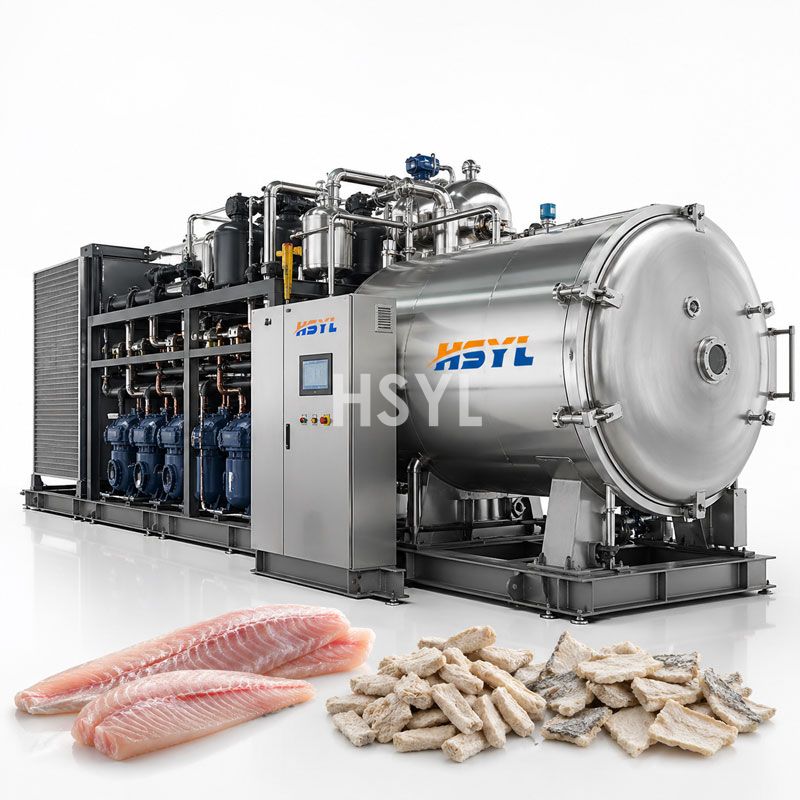
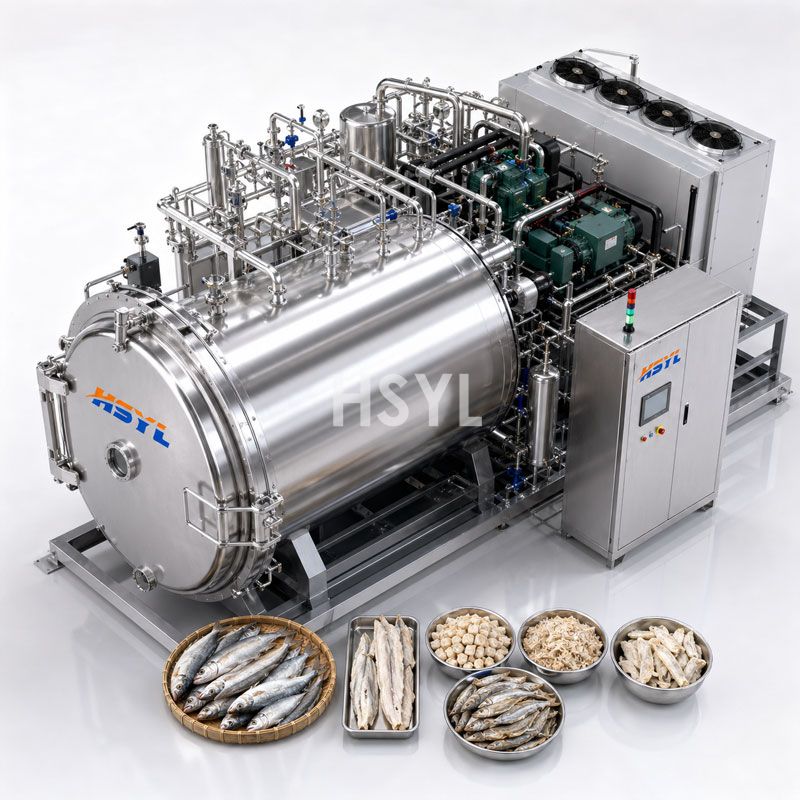
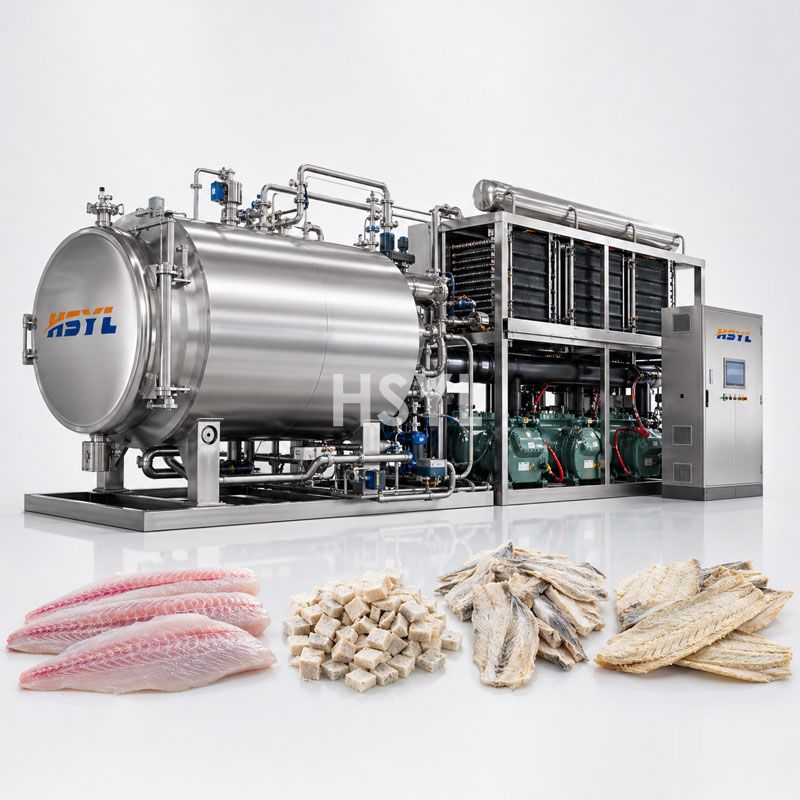
Upgrade your fish processing plant with our commercial freeze drying machine. Prevent thermal degradation of Omega-3 oils and replace outdated hot air ovens.
For decades, commercial fish dehydration relied heavily on hot air tunnels or smoking ovens, processes that inevitably compromise the delicate nutritional profile of the fish. Our commercial fish freeze drying machine offers a radically different dehydration pathway. By completely bypassing the liquid phase and sublimating ice directly under deep vacuum, this lyophilizer prevents the thermal degradation of valuable volatile compounds. Designed for large-scale B2B seafood producers, this equipment yields ultra-premium, nutrient-dense fish snacks, pet food ingredients, and marine powders that command maximum retail prices.
| Machinery Model | Fish Fillet Capacity (kg/batch) | Sublimation Control | Primary Pump Type | Refrigeration Tonnage | Heat Transfer Medium | Operating Noise (dB) |
|---|---|---|---|---|---|---|
| YLF-F300 | 300 | Multi-Point PID | Rotary Vane | 12 Tons | Synthetic Silicone Oil | < 75 |
| YLF-F800 | 800 | Multi-Point PID | Rotary Vane + Roots | 25 Tons | Synthetic Silicone Oil | < 75 |
| YLF-F1500 | 1500 | Multi-Point PID | Dual Stage + Roots | 45 Tons | Synthetic Silicone Oil | < 78 |
| YLF-F2500 | 2500 | Multi-Point PID | Dual Stage + Roots | 70 Tons | Synthetic Silicone Oil | < 78 |
When raw fish fillets or minced fish blocks are exposed to constant hot circulating air (typically 60℃ to 80℃), a destructive biochemical reaction occurs. The cellular proteins irreversibly denature, and the highly unstable Omega-3 and Omega-6 fatty acids rapidly oxidize. This results in a product with a strong, unpleasant "fishy" odor, diminished nutritional value, and a dark, unappealing color.
The freeze-drying process entirely circumvents this damage. Because the primary moisture extraction occurs at temperatures well below -20℃, the structural and chemical composition of the fish remains in a state of suspended animation. The resulting lyophilized product acts as a perfect biological sponge, reviving to virtually fresh-caught texture and flavor upon contact with water.
For plant managers evaluating capital expenditure (CapEx) for drying equipment, understanding the exact technological divide is paramount. While microwave or tunnel dryers have lower upfront costs, the quality of the output restricts those products to low-margin commodity markets. Upgrading to deep vacuum sublimation unlocks the lucrative premium outdoor snack and functional ingredient sectors.
If you are also considering high-speed snack applications, we highly recommend reading our detailed engineering breakdown on VF vacuum frying vs FD freeze drying a plant manager's selection guide to ensure your technology choice perfectly aligns with your target market's texture and fat-content requirements.
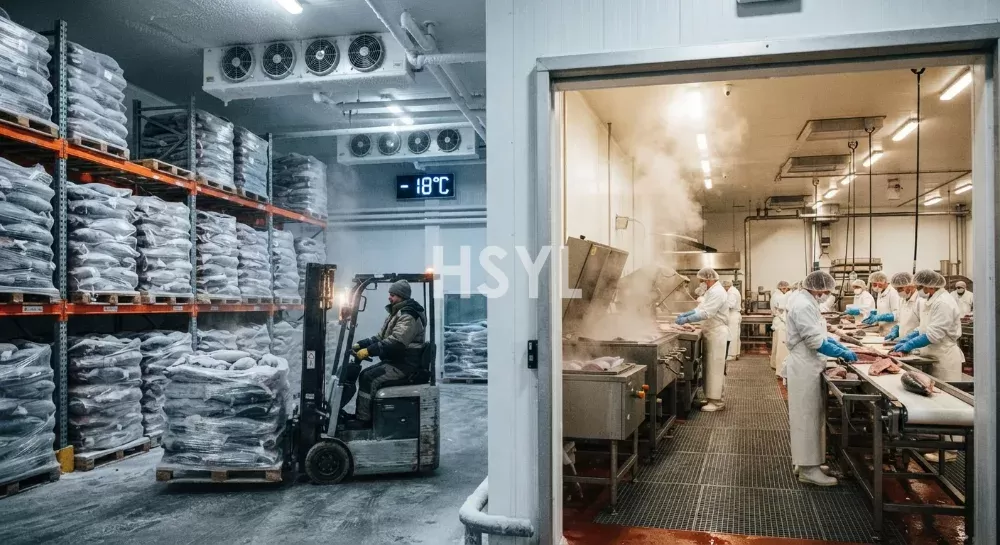
A high-yield freeze dryer must be fed by an equally efficient upstream line. Manually filleting and staging thousands of kilograms of fish creates severe bottlenecks and allows the raw material temperature to rise, increasing bacterial loads. Factory layouts must be optimized for speed.
To maximize the throughput and ROI of this lyophilizer, the equipment should be positioned as the final preservation stage within a comprehensive, automated fish processing production line. In this streamlined sequence, mechanical descalers, automatic heading and gutting machines, and high-speed slicers prep the raw fish. The uniform fillets are then blast-frozen and immediately shunted into the vacuum chamber, securing an unbroken, highly hygienic cold chain.
Processing oily pelagic fish like salmon, mackerel, or tuna presents a severe risk of lipid oxidation. Even within a vacuum, trace amounts of oxygen can interact with these oils. To mitigate this, our machine is equipped with ultra-low leakage valves and a precision nitrogen backfill system. When the drying cycle completes, the chamber vacuum is broken using inert nitrogen gas rather than atmospheric air. This completely displaces oxygen from the highly porous structure of the freeze-dried fish, massively extending shelf life and totally preventing fat rancidity prior to final packaging.
Stop compromising the value of your marine catch with thermal dehydration. Contact our technical sales department to request detailed layout schematics, sublimation recipe guidance, or a targeted utility consumption analysis for your factory.
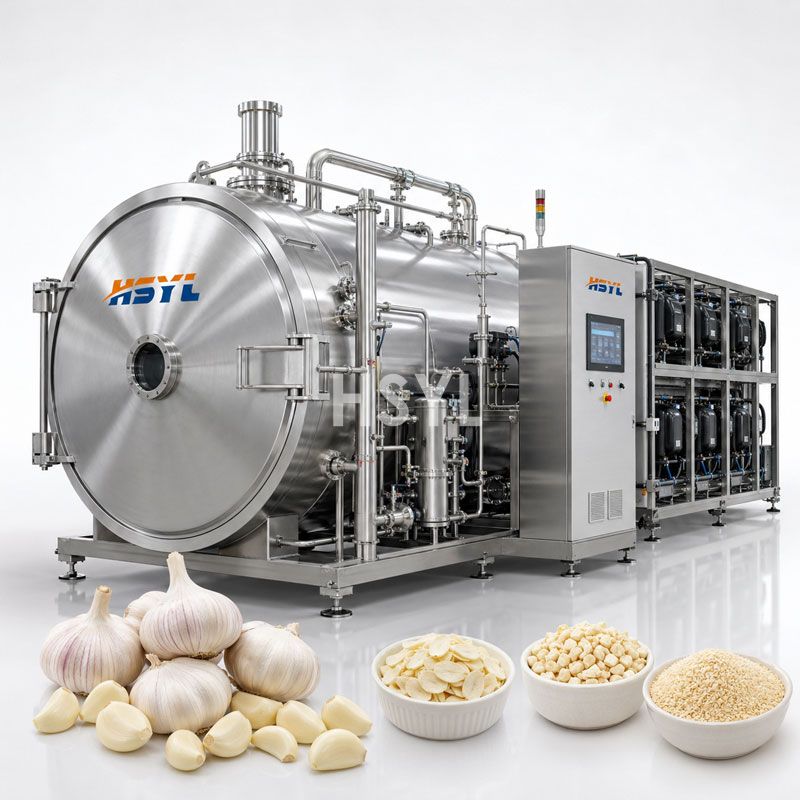
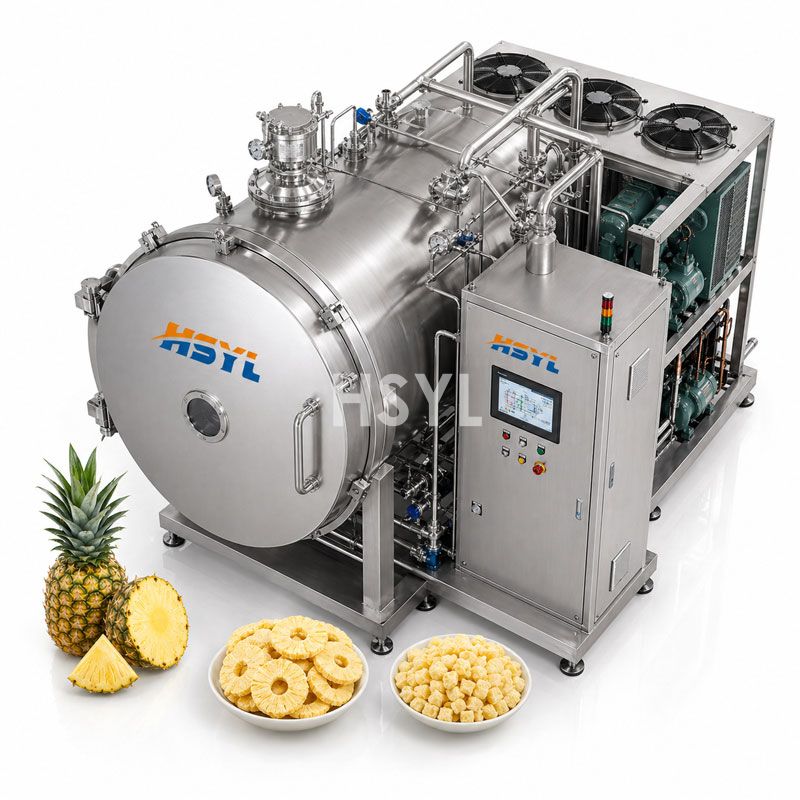
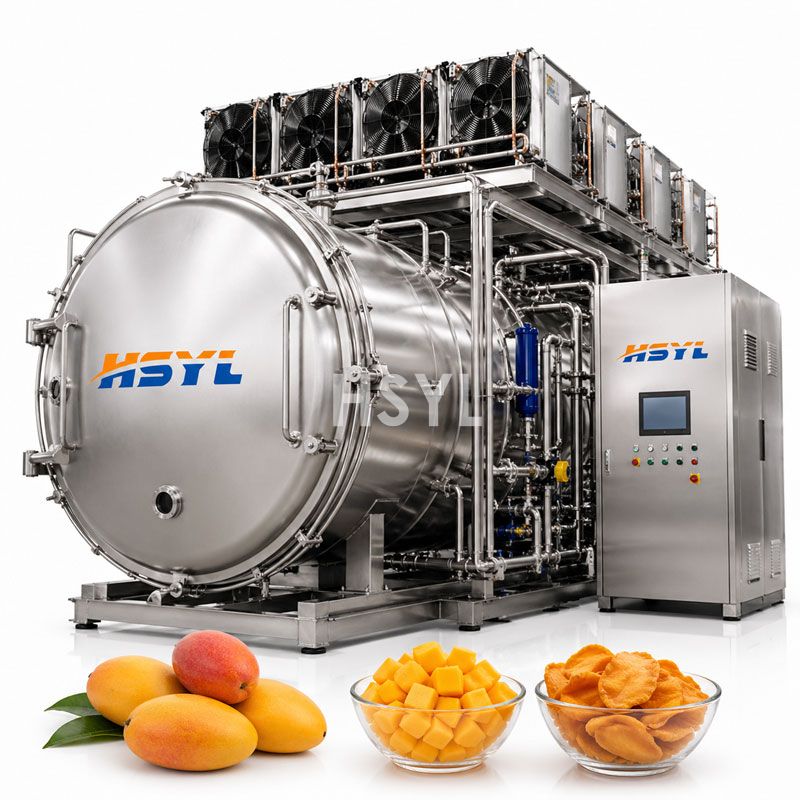


Low-acid canned vegetable processing line for corn, peas, and green beans. Press...
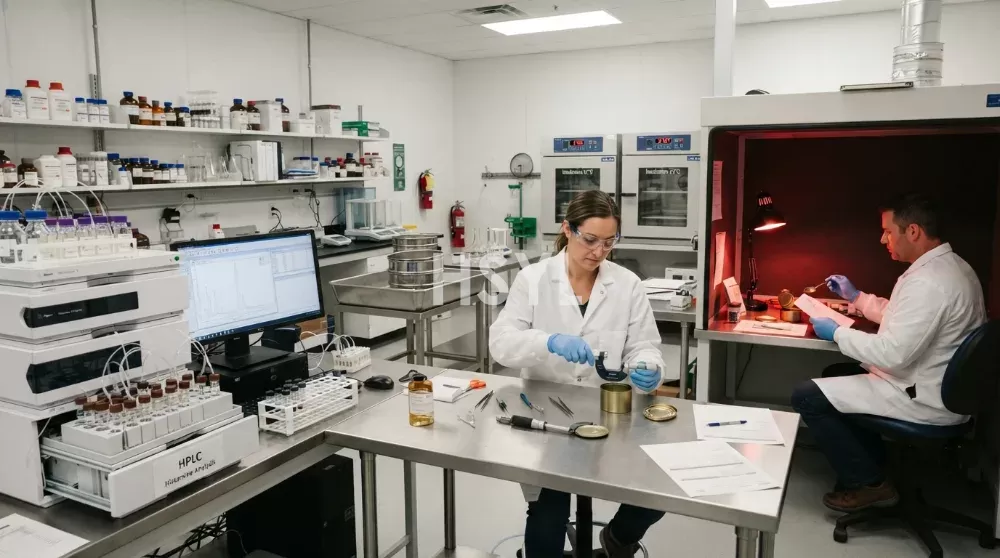
Complete sardine and mackerel canning line: heading and gutting automation, can ...
Direct AnswerThe most expensive asset in a fish cannery is not the retort or the...
The filling medium — the liquid that fills the void spaces between the fish piec...