
Pneumatic Flange and Can Seam Stripping Gauge: Mass Flow Kinematics & Sizing
Engineering guide for Seam Stripping Gauge focusing on mass flow kinematics & si...
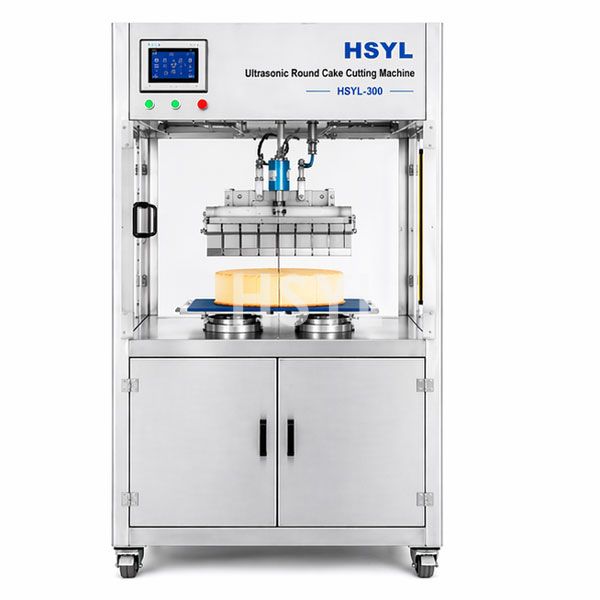


An ultrasonic round cake cutting machine is designed to divide round cakes into portions. Machine selection should consider cake diameter and height, the required number of slices, filling texture, decorations and product temperature. Share your cake specifications and production requirements with HSYL to discuss a suitable cutting configuration and sample evaluation.
Round cake portioning requires more than a clean cut through the outside edge. Each cut must align with the cake centre, pass through layers with different textures and leave the narrow end of each portion presentable.
An ultrasonic cutting setup should be evaluated using the actual cake recipe and serving condition. Sponge, cream, mousse, cheesecake filling and decorative toppings can behave differently during cutting. A sample trial helps establish whether the proposed setup meets your requirements for appearance, handling and production output.
Start with the cake diameter, cake height and required number of slices. These determine the portion geometry and help establish the cutting arrangement.
Accurate positioning matters because an off-centre cake can produce uneven wedges even when the cutting sequence is repeatable. The application review should therefore cover how operators load and centre the cake, how its position is maintained and how portions are removed after cutting.
Equal angular portions do not necessarily have equal weight. Uneven filling distribution, variations in cake shape and off-centre decorations can affect individual portion weights. If weight consistency is a purchasing requirement, include portion weighing in the sample evaluation.
| Item | Information to provide |
|---|---|
| Cake dimensions | Minimum and maximum diameter and height, including relevant toppings |
| Required portions | Slice count for each cake size and the expected frequency of changeovers |
| Cake composition | Sponge, mousse, cream, cheesecake filling, inclusions and decorative layers |
| Product condition | Actual temperature and firmness when the cake reaches the cutter |
| Product support | Cake board dimensions, trays, collars and other items present during loading |
| Output target | Finished cakes per hour, working hours and typical batch sizes |
| Production arrangement | Standalone operation or connection with existing handling and packing equipment |
| Acceptance criteria | Cut appearance, layer movement, portion consistency and removal without damage |
Machine dimensions, supported cake sizes, electrical requirements and production capacity should be confirmed in the quotation for the selected configuration.
Review the outside edge, the layered cross-section and the centre tip of each wedge. A cut that looks clean at the perimeter may still leave dragged filling or damage where several cuts meet.
During testing, check for cream transfer, compressed sponge, displaced layers and broken toppings. Record the cake temperature so that the result can be reproduced under normal production conditions.
Decorations and inclusions should be assessed as part of the product rather than treated as minor details. Their size, hardness and position may influence the cutting pattern or require changes to the finishing sequence.
Include cake boards, collars and trays in the application discussion. Their dimensions and position affect loading clearance and the available cutting path. Whether a cake can remain on its board during cutting must be confirmed for the proposed arrangement.
For bakeries producing several cake sizes, request a demonstration of the changeover between representative products. Check which settings, positioning parts or handling steps need adjustment and whether the first cake after the changeover meets the same acceptance criteria.
Cutting strokes per minute alone do not describe usable bakery output. The number of slices, loading time, positioning, unloading and routine cleaning all affect finished cakes per hour.
Ask for a capacity assessment based on your normal cake size and portion count. For a mixed production schedule, review more than one representative product so that planning reflects the actual workload.
If cheesecake is a major part of your range, review the ultrasonic cheesecake cutting machine and include its filling texture and cutting temperature in the same application discussion.
Send HSYL your cake dimensions, required slice counts, product photos, cutting temperature and target hourly output. Include details of boards, collars and decorations to help define the sample evaluation and quotation scope.


Engineering guide for Seam Stripping Gauge focusing on mass flow kinematics & si...
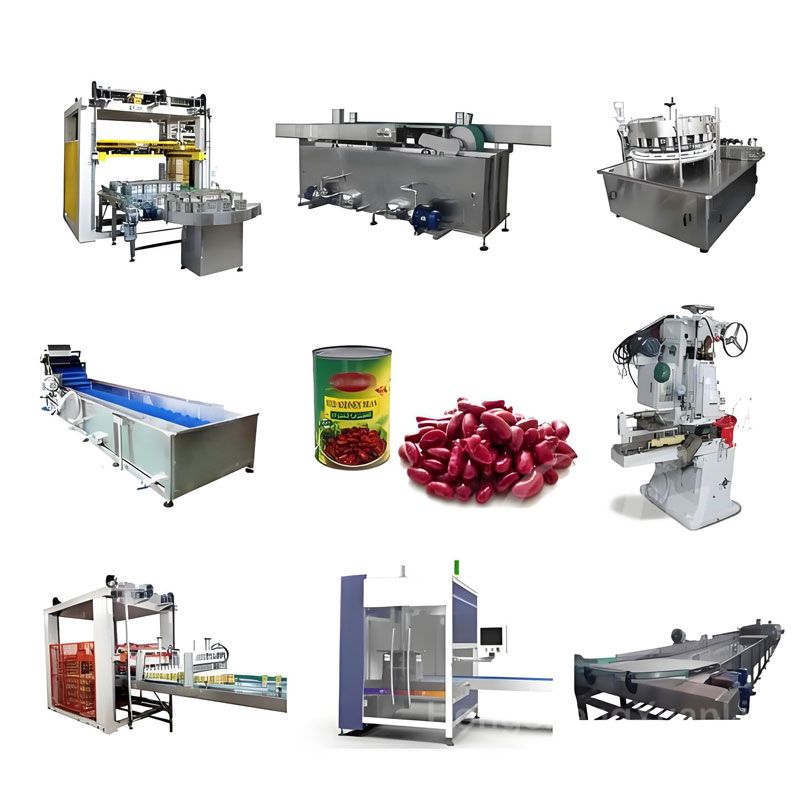
Engineering guide for Tuna Oil Doser focusing on mass flow kinematics & sizing: ...
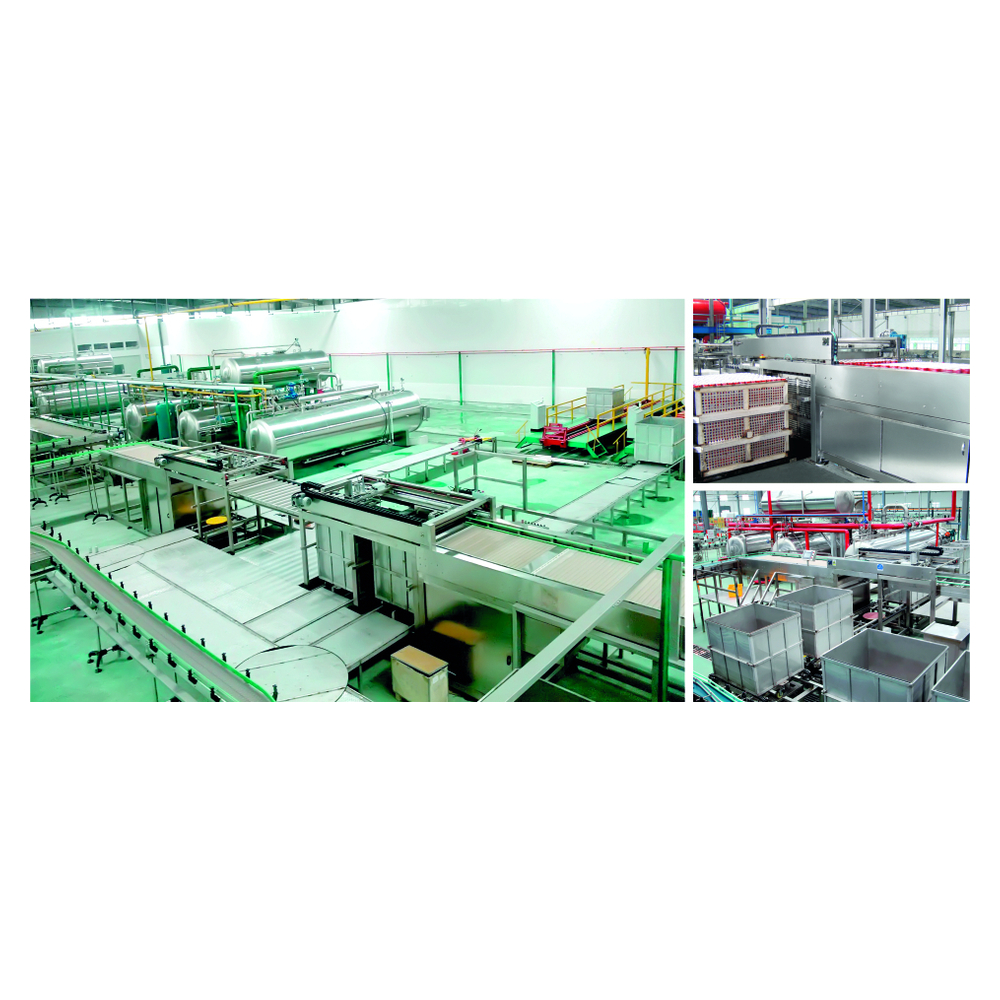
Engineering guide for Basket Shuttle Car focusing on mass flow kinematics & sizi...
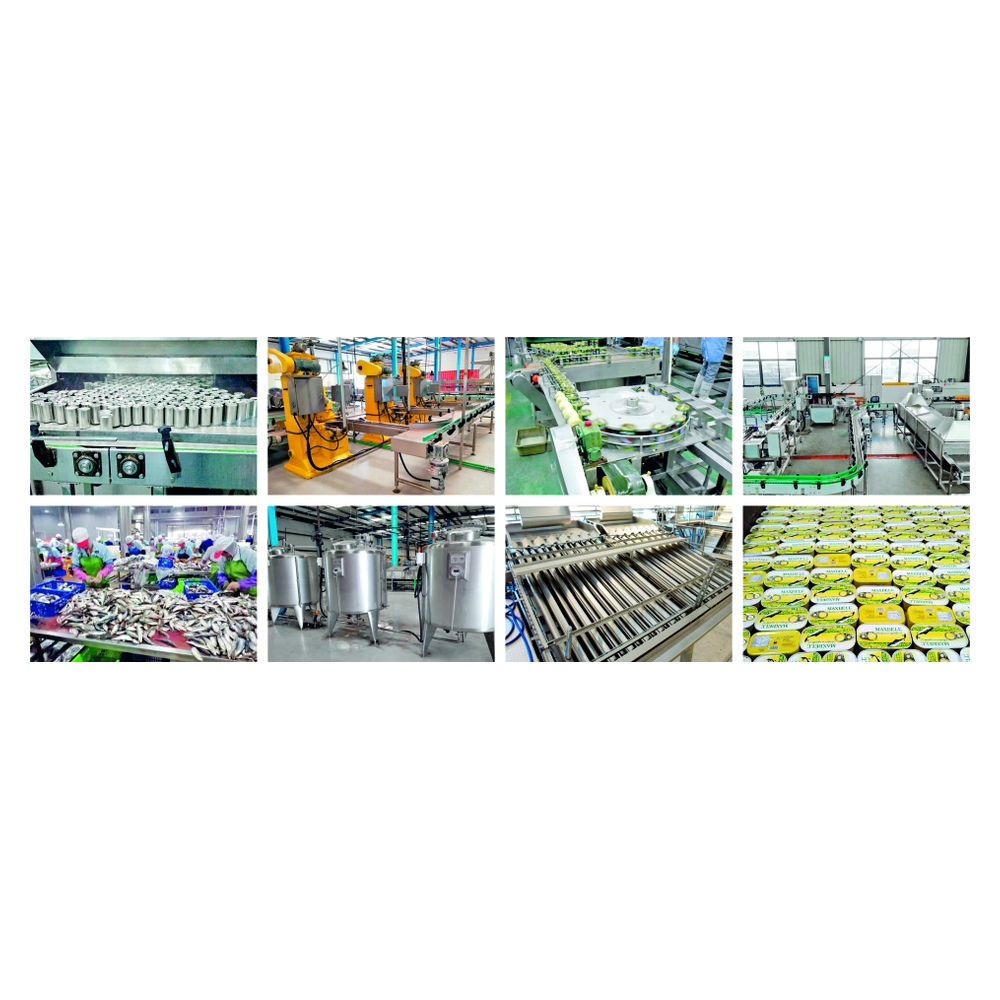
Engineering guide for Club Can Seamer focusing on mass flow kinematics & sizing:...