
Pneumatic Flange and Can Seam Stripping Gauge: Mass Flow Kinematics & Sizing
Engineering guide for Seam Stripping Gauge focusing on mass flow kinematics & si...
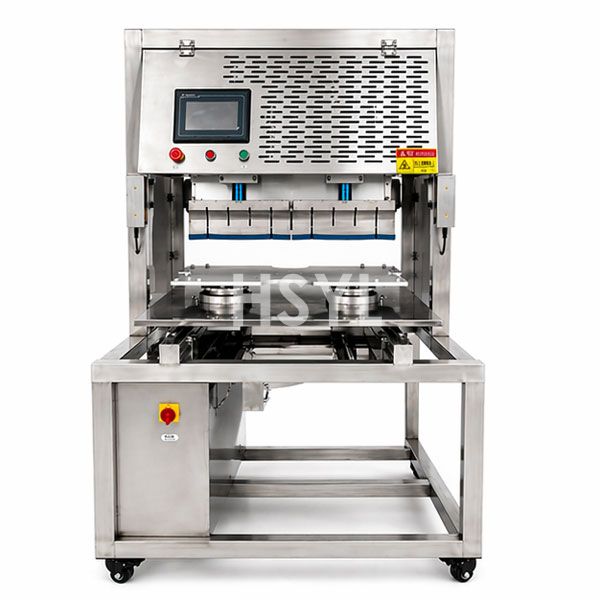


Ultrasonic cake portioning for bakeries upgrading from manual cutting. Select the configuration around your cake format, cutting temperature, portion pattern and daily workload.
The HSYL Economical Ultrasonic Cake Cutting Machine is intended for bakeries and central kitchens evaluating an upgrade from manual portioning. Selection starts with the cakes you actually produce: their dimensions, temperature, layers, toppings and required cut pattern.
For an economical configuration, define the essential cutting tasks and the loading, unloading and packing arrangements around them. The quotation should identify the included cutting programs, product supports, cleaning provisions and any optional handling equipment.
Evaluate the machine against three practical requirements:
Cut quality: Acceptable separation of cake layers, fillings and bases using representative production samples.
Portion format: The required wedge count, slice thickness or rectangular dimensions within the confirmed working area.
Usable output: Finished cakes or portions per hour, including loading, positioning, cutting, unloading and routine cleaning.
Sample cutting provides a basis for agreeing on the configuration and acceptance criteria before ordering.
Unlike standard entry-level tools, our economical model retains the core motion control and ultrasonic generation quality of our high-end series, optimized for a compact footprint.
| Technical Parameter | Specification / Data |
|---|---|
| Generator Type | Industrial Digital Ultrasonic Generator |
| Blade Configuration | 2pcs * 305mm Titanium Alloy Blades |
| Cutting Frequency | 1.5 Seconds / Cycle |
| Portioning Accuracy | ≤ 1.0 mm Deviation |
| Max. Round Cake Size | Up to 14 Inches (Dividing Mode) |
| Max. Sheet Size | 400mm * 600mm (Square/Customizable) |
| Construction Material | Food-Grade SUS304 Stainless Steel |
| Controller | Touch-Screen HMI with Multi-Recipe Memory |
| Power / Voltage | 1800W / 220V 50Hz (Customizable) |
| Dimensions / Weight | 1200*900*1540mm / 350kg |
The ultrasonic generator supplies energy to a transducer, which converts it into mechanical vibration transmitted to the cutting blade. This motion can reduce blade resistance and product adhesion when cutting soft, sticky or layered foods.
Cut quality also depends on cake temperature, crust hardness, inclusions, blade geometry and cutting motion. Trial settings should therefore be established using the intended product rather than a different cake with a similar appearance.
The cutting stroke is one part of the operating cycle. Loading, alignment, indexing between cuts, blade withdrawal and product removal also affect finished output.
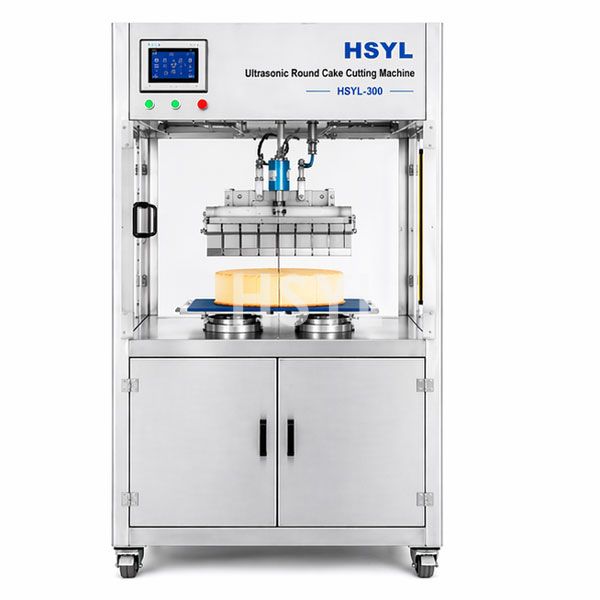
For round cakes, assess the full sequence needed to produce the required wedges. For sheet cakes, include all cuts and positioning movements needed to complete the grid.
Compare the proposed setup with the current workflow using the same cake, portion pattern and quality criteria. Include operator handling, cleaning and rejected portions when assessing labor and waste.
Programmed dimensions support repeatable portion geometry. Finished portion weight also depends on cake height, density, inclusions and product consistency.
Applications to assess include cream-layer cakes, cheesecakes, brownies, tray bakes and roll cakes. Confirm the supported format, product height and cutting pattern for the selected configuration.
Start trials with the intended ambient or chilled production condition. Frozen products require a separate assessment using the actual core temperature and formulation.
Toppings, nuts, chocolate layers and firm bases should be included in the trial samples. Evaluate several consecutive cuts to check whether residue buildup changes the result.
Tray dimensions, raised edges, liners and supporting boards affect blade clearance and the available cutting path. Confirm the approved support arrangement and avoid contact between the cutting blade and metal tray surfaces.
Reduced sticking does not replace cleaning. Follow the machine supplier's procedures for blade cleaning, food-contact surfaces, electrical protection and safe access.
Specify suitable cleaning agents and methods for the supplied components. Any washdown claim should identify the areas and components covered.
Send the cake dimensions, layer structure, toppings, temperature at cutting, tray details, required portions and daily production target.
Request a quotation showing the supplied machine, cutting programs, product supports, accessories and service scope. Agree on sample-cut acceptance criteria, operator training, documentation and delivery timing before placing the order.


Engineering guide for Seam Stripping Gauge focusing on mass flow kinematics & si...
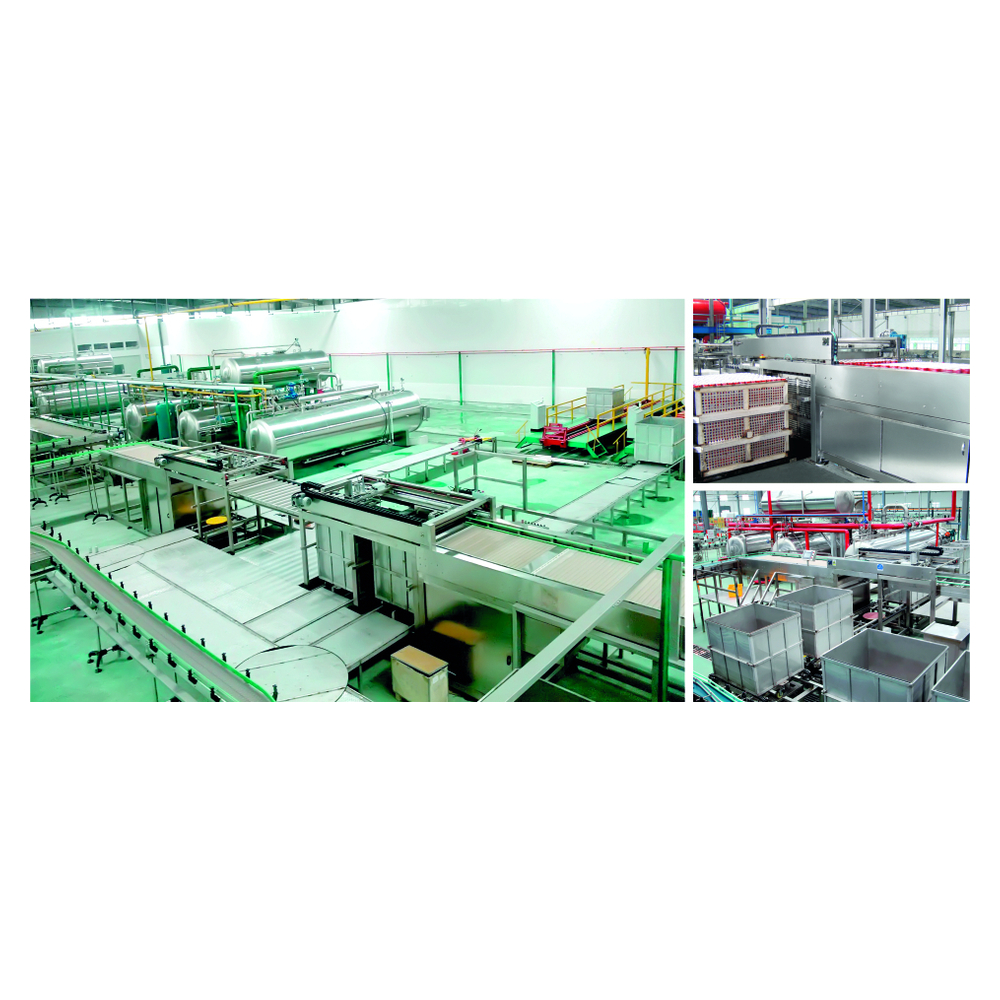
Engineering guide for Basket Shuttle Car focusing on mass flow kinematics & sizi...
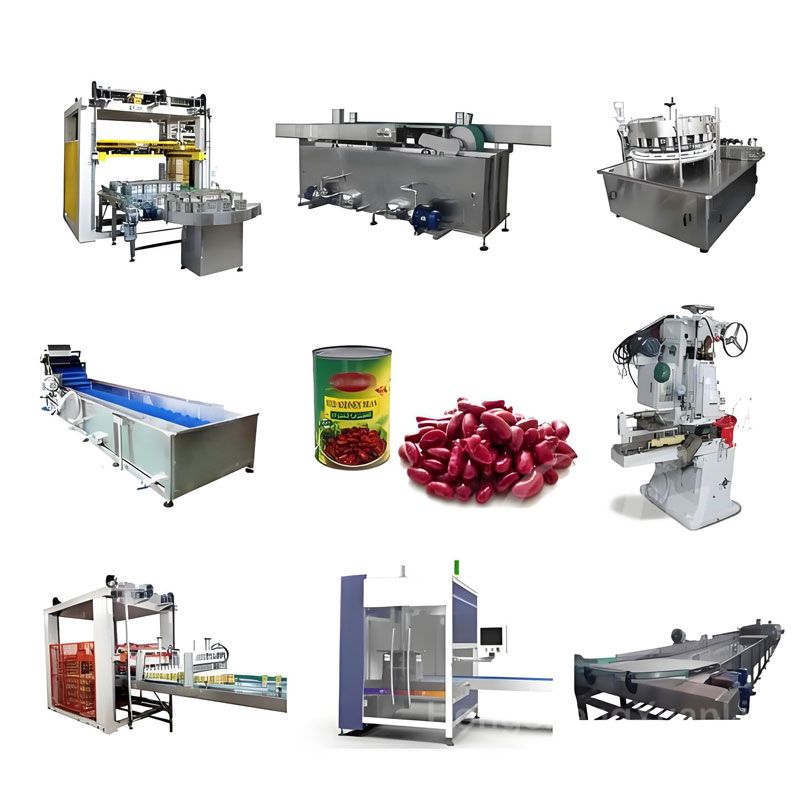
Engineering guide for Tuna Oil Doser focusing on mass flow kinematics & sizing: ...
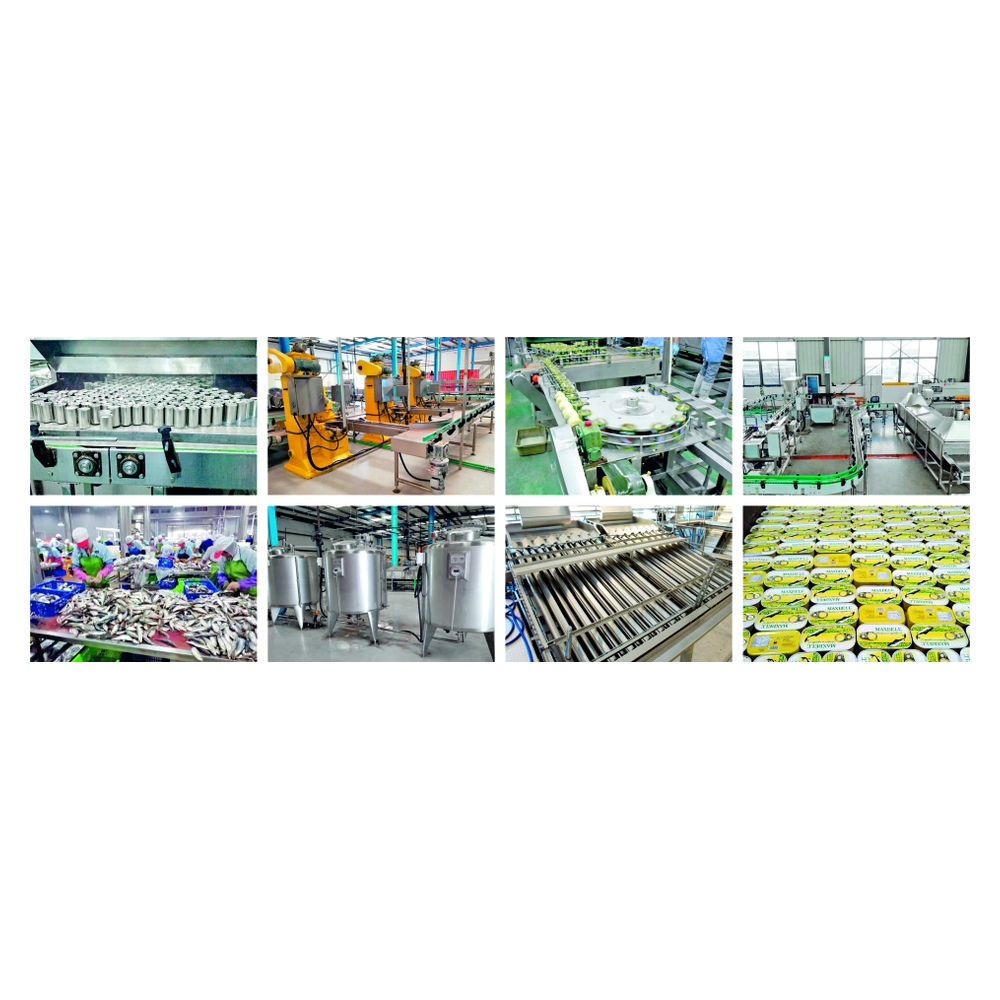
Engineering guide for Club Can Seamer focusing on mass flow kinematics & sizing:...