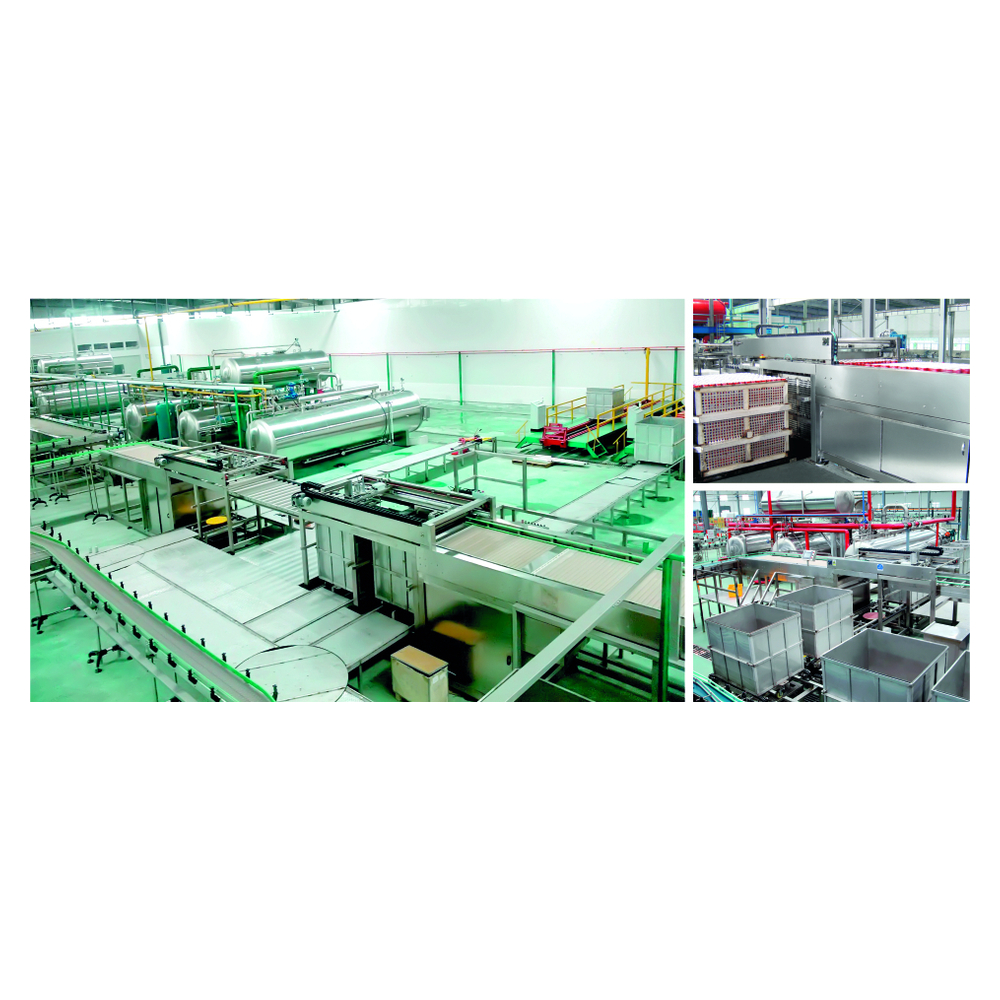
Automatic Retort Basket Shuttle and Transfer Car: Mass Flow Kinematics & Sizing
Engineering guide for Basket Shuttle Car focusing on mass flow kinematics & sizi...
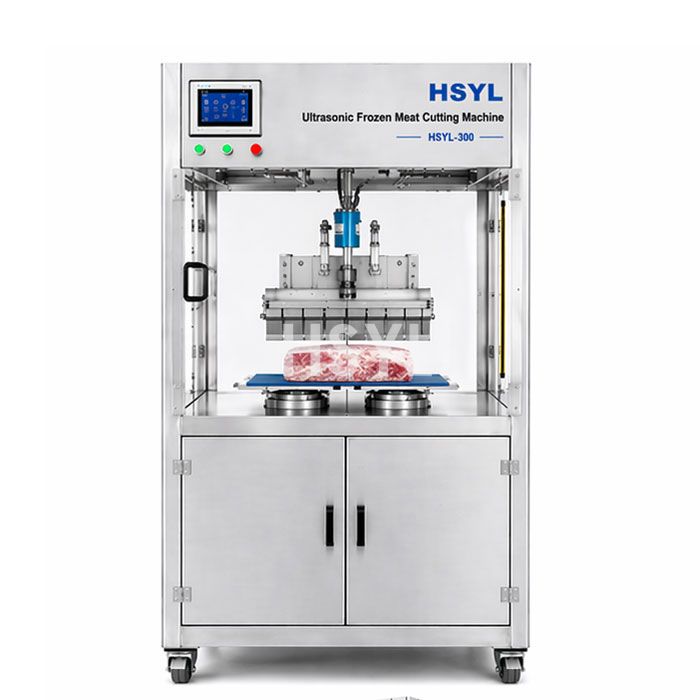


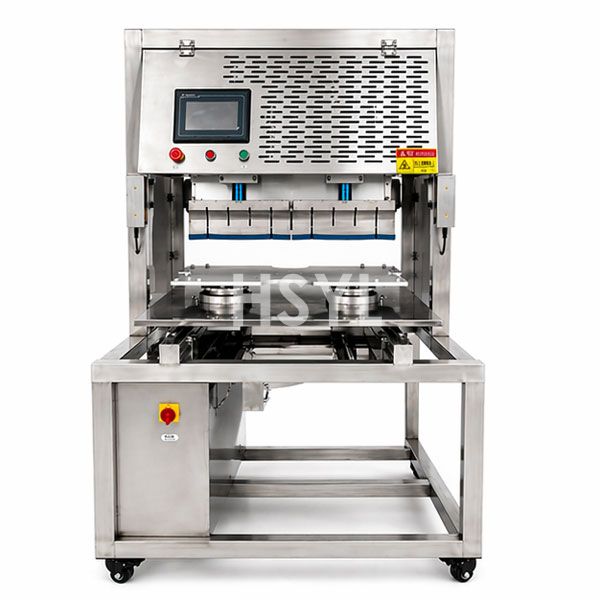
Ultrasonic portioning for boneless meat applications, configured around the actual block dimensions, cutting temperature and required portion format.
The HSYL Ultrasonic Frozen Meat Cutting Machine is evaluated around the specific boneless meat product and required cutting task. Block dimensions, core temperature, fat distribution, connective tissue and portion thickness all influence equipment selection.
Ultrasonic cutting applies high-frequency mechanical vibration to the blade. This can reduce cutting resistance and product adhesion, with the achievable result depending on the blade assembly, motion settings and actual material.
Define the application before selecting a configuration:
Incoming product: Meat type, raw or cooked condition, whole-muscle or formed structure, and confirmed bone status.
Cutting conditions: Block dimensions, measured core temperature and the expected variation between batches.
Finished portions: Required dimensions, acceptable edge quality, weight requirements and downstream handling.
Use representative production samples to establish the operating range, finished output and acceptance criteria.
| Technical Field | Specification Detail |
|---|---|
| Operating Temp. | -18°C to -10°C (Core Temp) |
| Max Block Width | 400 mm / 600 mm (Customizable) |
| Cutting Height | Up to 200 mm |
| Power Output | 5.5 kW / 3-Phase 380V |
| Ultrasonic Frequency | 15 kHz - 20 kHz Focus |
| Servo Positioning | ±0.1 mm Accuracy |
| Frame Material | SUS304 (Heavier Gauge) |
The listed specifications require confirmation against the selected machine configuration. Finished-cut dimensions, portion weight, throughput and material loss should be evaluated separately using the intended product.
Record the product's core temperature at the cutting station, together with block dimensions and composition. Include representative variation in fat content, connective tissue and freezing condition when preparing samples.
The blade assembly, vibration settings, feed motion and product support must be assessed together. Any proposed tempering step should fit the factory's established product-handling process.
Where generator frequency tracking is supplied, its function is to support the ultrasonic assembly's operating resonance. Any automatic product sensing or adaptive feed control must be identified and demonstrated separately.
This application scope is for boneless material. Declare any potential bone, cartilage or other hard inclusions before testing and obtain confirmation of the approved product limits.
Compare cutting methods using equivalent products, temperatures and portion requirements. Record input weight, acceptable finished portions, offcuts, loose particles and rejected pieces.
Agree on how each category will be weighed and reported. Yield improvement should be calculated from these results rather than assumed from a general percentage.
Measure finished output across the complete working sequence, including loading, positioning, cutting, discharge, cleaning and routine interruptions. Include inspection for incomplete cuts, cracking and variation in portion dimensions.
Specify whether the cut product will enter further portioning, weighing, packaging or another processing operation. Confirm the required discharge size, orientation and handling arrangement.
For automated feeding, define block presentation, transfer height, available space and the interfaces with connected equipment. Include any additional cutting stages needed to produce strips or cubes in the equipment scope.
Confirm the permitted cleaning methods for the blade, transducer, guides, conveyors, drives and electrical enclosures. Component protection ratings and cleaning instructions should be documented for the supplied configuration.
The quotation should identify contact materials, operating limits, maintenance requirements, recommended spare parts and applicable equipment documentation.
Agree on sample trials, factory acceptance checks, installation responsibilities and operator training before manufacture. Warranty terms and delivery timing should be stated in the commercial offer.


Engineering guide for Basket Shuttle Car focusing on mass flow kinematics & sizi...
Engineering guide for Tuna Oil Doser focusing on mass flow kinematics & sizing: ...

Engineering guide for Seam Stripping Gauge focusing on mass flow kinematics & si...
Engineering guide for Club Can Seamer focusing on mass flow kinematics & sizing:...