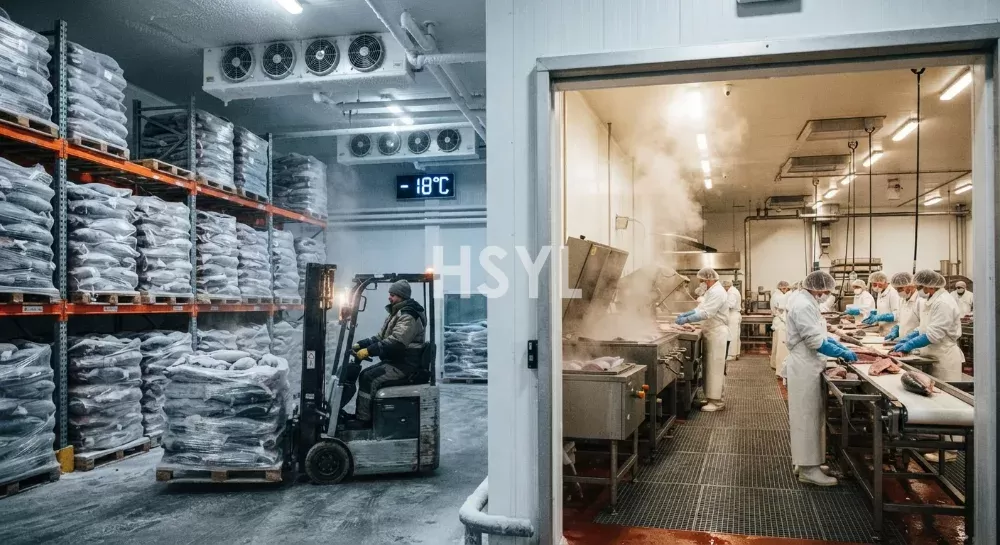
Equipment Know-How
Seasonal Fish Canning: Cold Storage, Multi-Species Rotation and Year-Round Line Utilization
Direct AnswerThe most expensive asset in a fish cannery is not the retort or the...
Read more →End-to-end design, manufacturing, and delivery—empowering you to achieve efficient, compliant, and highly profitable production in any global market.
HSYL engineered factory solutions optimize high-volume seafood processing lines by replacing high-labor, manual floor operations with precision-balanced, automated workflows. The complete automatic fish canning line is configured to process raw pelagic species such as sardines, mackerel, and scombroids into shelf-stable canned products, delivering throughput rates of 60 to 300 cans per minute. Every line layout is mathematically modeled to balance upstream preparation with downstream thermal processing to eliminate product accumulation bottlenecks and maintain absolute freshness.
In high-capacity fish canning plants, raw material decay is the most critical threat to both yield and regulatory compliance. If eviscerated fish stall on conveyor belts due to downstream machine stoppages, histamine accumulation accelerates rapidly, causing product spoilage and safety failures. HSYL eliminates this risk through decentralized, sensor-driven line balancing and integrated intermediate buffer tables that accommodate material surges without stopping the upstream gutting or pocket-filling operations.
To ensure robust performance in wet, high-saline canning environments, the entire physical structure of the line is built using strict sanitary metal grades and open-profile designs. Direct product contact zones—such as brining tanks, pocket-filling funnels, and liquid dosing systems—are manufactured exclusively from passivated SUS316L stainless steel to resist chloride-induced pitting corrosion.
| Processing Parameter | Standard Operational Range | HSYL Turnkey Specification |
|---|---|---|
| Line Production Speed | 60 to 180 cans per minute | Up to 300 cans per minute (variable VFD speed control) |
| Structural Metallurgy | SUS304 Stainless Steel | SUS316L (wet contact) / SUS304 (frames & non-contact) |
| Retort Thermal Control | 115 to 121 degrees Celsius | 121.1 to 125 degrees Celsius (overpressure, variance under 0.5 degrees) |
| Applicable Can Geometries | Round tinplate cans | Round, oval, club, and rectangular tinplate or aluminum cans |
| PLC Automation Platform | Proprietary microcontrollers | Siemens S7-1500 / Allen-Bradley CompactLogix (unlocked code) |
To maintain hermetic seal integrity and high-speed canning output, configure this stage with our industrial bakery ultrasonic automatic candy cutting.
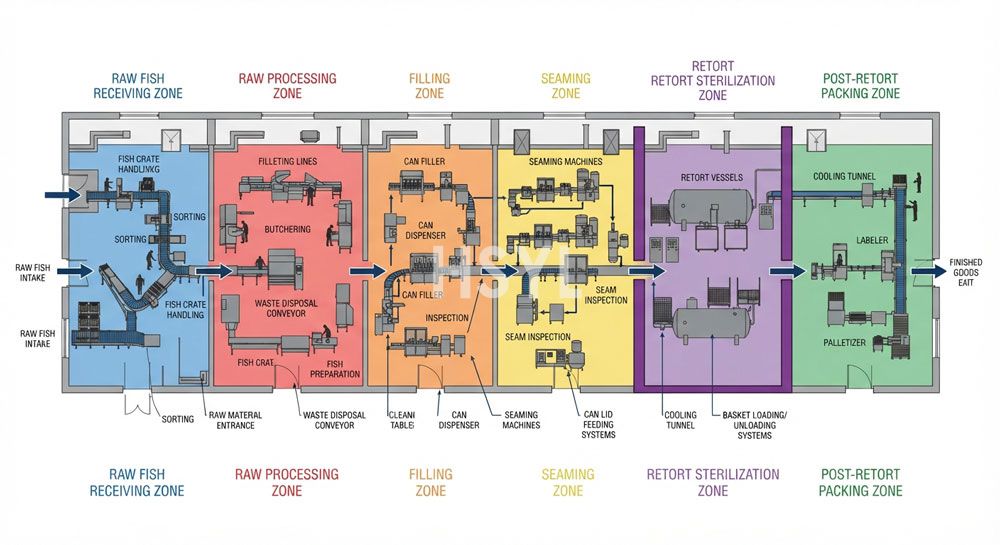
The operational efficiency of the turnkey line relies on a seamless mechanical flow from the raw preparation dock to the final logistics warehouse. Empty cans are fed into the high-speed processing floor using an automated depalletizer, which routes them through a sanitary magnetic can washing machine to remove dust and foreign particles prior to filling. Simultaneously, raw fish are scaled, decapitated, gutted, and thoroughly washed in a rotating drum system to maintain deep sanitary compliance.
Following preparation, the fish are packed into cans (either manually by line operators using sanitary packing stations or through automated rotary pocket fillers) and subjected to a steam pre-cooking chamber. The precooker raises the core product temperature to 95 degrees Celsius, reducing moisture content by 15 percent to prevent post-sterilization watery oil separation. The cans then pass through a liquid dosing nozzle to receive oil, brine, or tomato sauce before entering the automated tin can sealing machine. The seaming unit flushes the headspace with superheated steam, creating a hermetic seal under high vacuum to prevent interior oxidation and preserve nutritional oils.
Daily sanitation is a high-cost driver for food processing operations. HSYL designs the entire fish canning infrastructure with self-draining, open-angle frames that prevent standing water accumulation. The automated CIP system integrates dedicated chemical injection and water recovery tanks that programmatically flush all liquid lines and filling heads, ensuring complete cleaning cycle validation. Additionally, all conveyor drive systems utilize IP69K-rated washdown motors that do not require protective covers, facilitating rapid and thorough manual cleaning during daily washdown cycles.
International certifications including GMP, FDA, CE, and HACCP ensure your products succeed worldwide.
Average payback period of 18 months, 25% lower energy consumption, and 300% higher production capacity.
End-to-end support—from feasibility studies to after-sales maintenance—so you can focus on your core business.
Why choose us? Three core pillars ensure maximum return on your investment.
Fully customized design from the ground up, strictly compliant with the highest global standards (GMP, FDA, CE), ensuring a perfect fit for your unique requirements—ideal for high-standard markets such as Europe and the Middle East.
One-stop service covering feasibility studies, equipment manufacturing, system integration, installation, commissioning, and operator training—simplifying even the most complex projects. Especially suited for fast-growing markets in Southeast Asia.
Our systems feature rapid changeover capabilities and energy-efficient design, enabling you to adapt effortlessly to market shifts while minimizing operational costs and maximizing ROI.
From individual equipment to complete production lines, our products cover every aspect of food processing, ensuring that your turnkey projects have the most reliable technological foundation.
Global certifications including CE, FDA, and GMP
Tailored solutions based on your specific needs
From installation and commissioning to after-sales support
Green manufacturing to reduce operational costs
Covering 12 core industries, each solution has been validated through practical experience and tailored to your specific needs
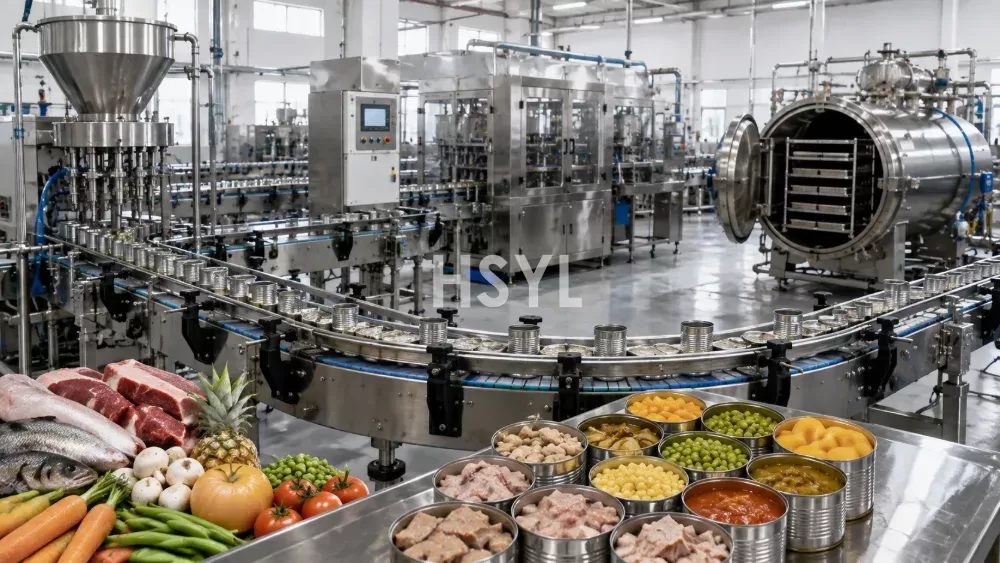
Canned food production line manufacturer for fish, meat, fruit and vegetable can...
View
Professional meat processing equipment solutions. Automated lines for sausage, h...
View
Advanced seafood processing lines for fish, shrimp, and crab. Includes grading, ...
View
Industrial processing lines for tomato paste, chili sauce, and mayonnaise. High-...
ViewBacked by real-world case studies, showcasing our successful experience across industries and regions.
Latest technological trends and professional insights
Direct AnswerThe most expensive asset in a fish cannery is not the retort or the...
Read more →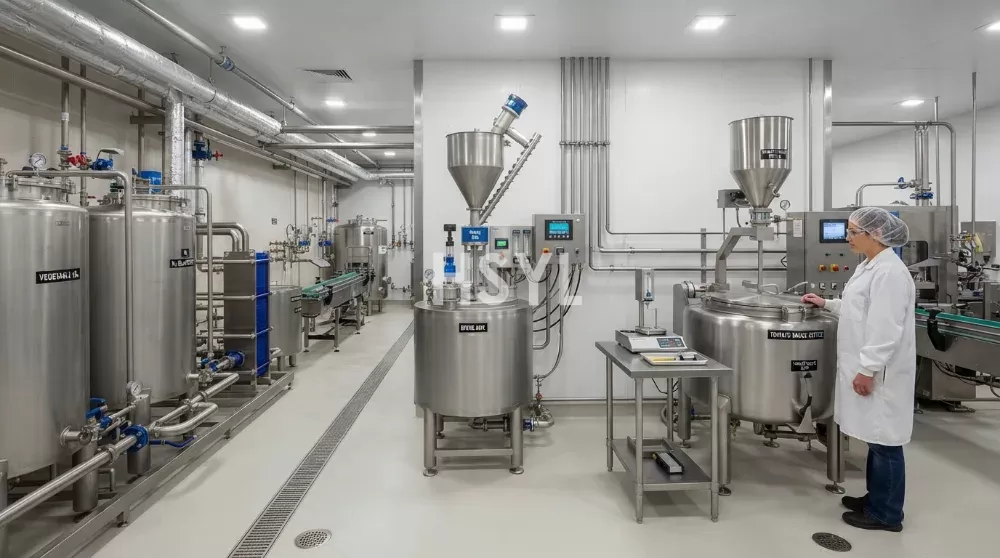
The filling medium — the liquid that fills the void spaces between the fish piec...
Read more →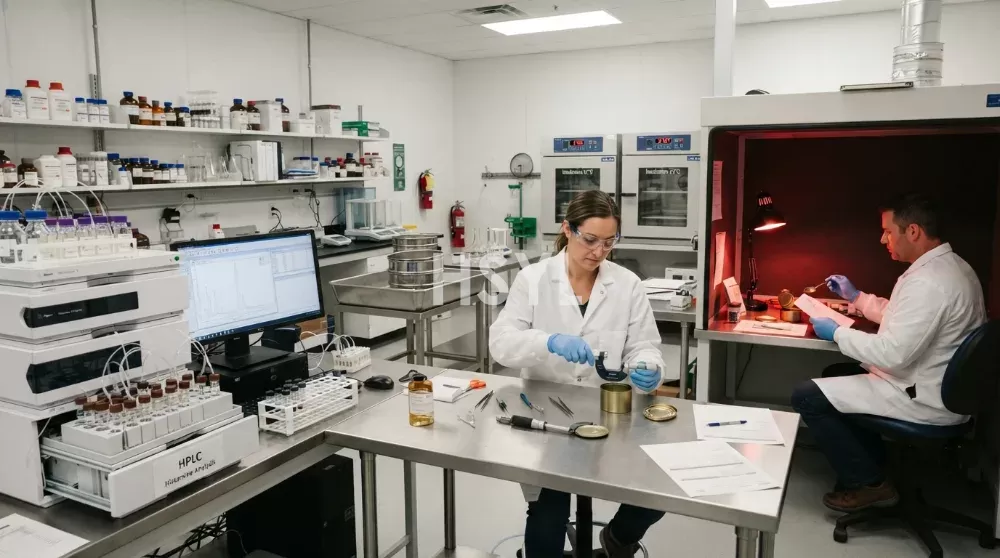
A sardine and mackerel canning line processes small pelagic fish — typically 10–...
Read more →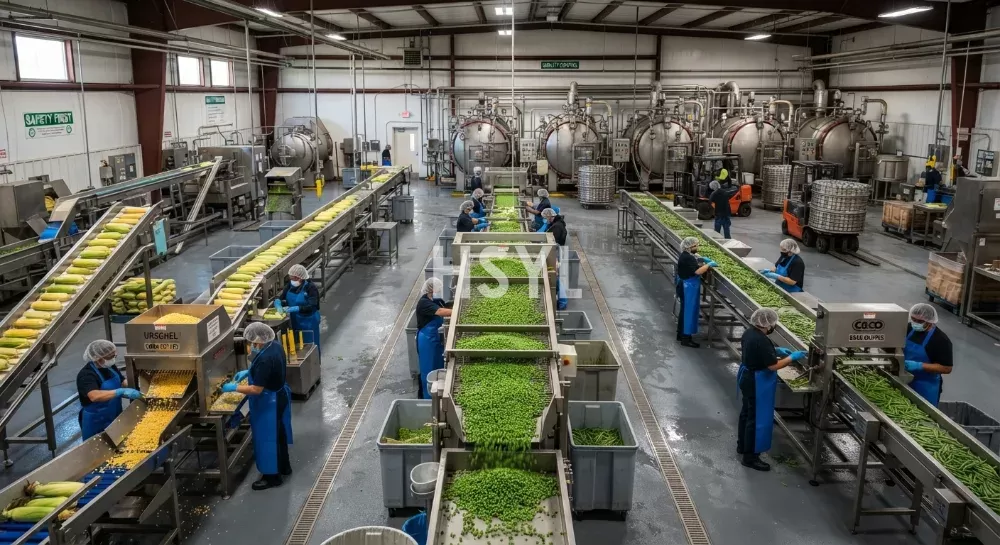
Direct AnswerA low-acid canned vegetable processing line — corn, peas, and green...
Read more →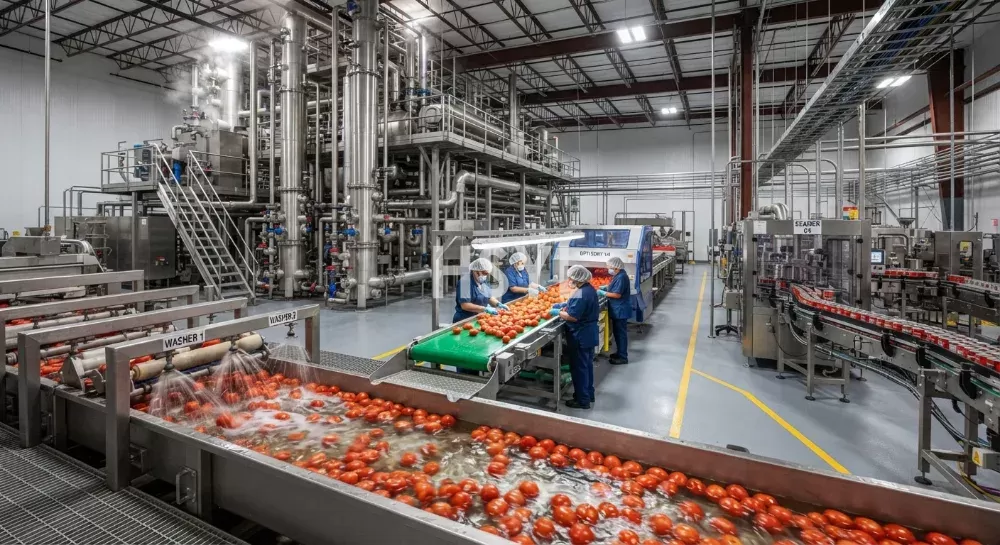
Direct AnswerA tomato products canning line converts fresh tomatoes into four di...
Read more →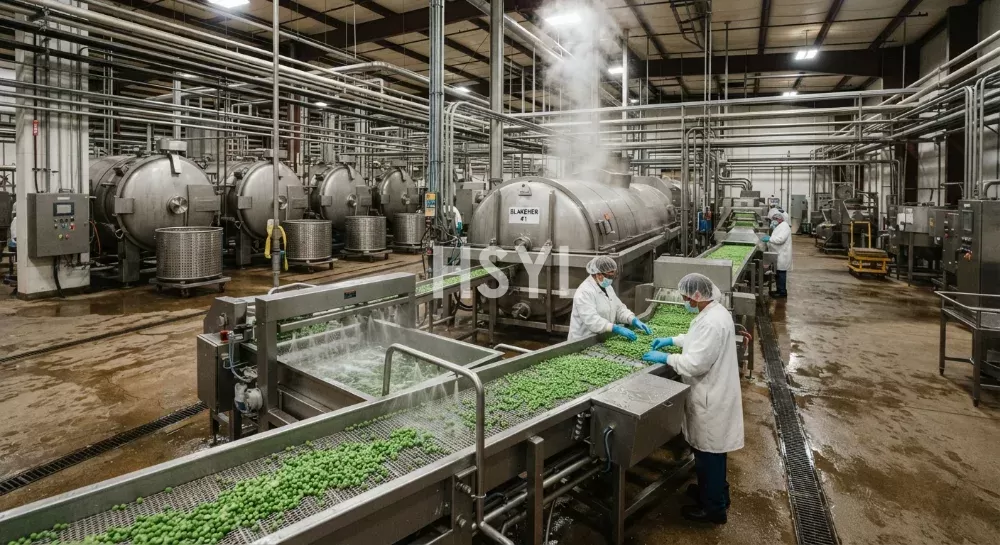
Direct AnswerA canned vegetables production line converts fresh or frozen vegeta...
Read more →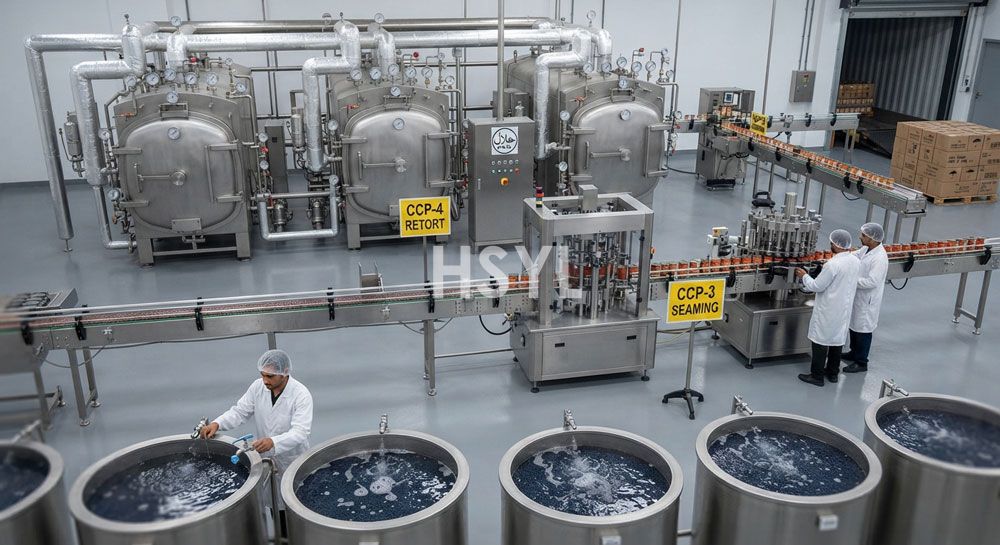
Direct AnswerBuilding a canned beans production line for export markets is a pro...
Read more →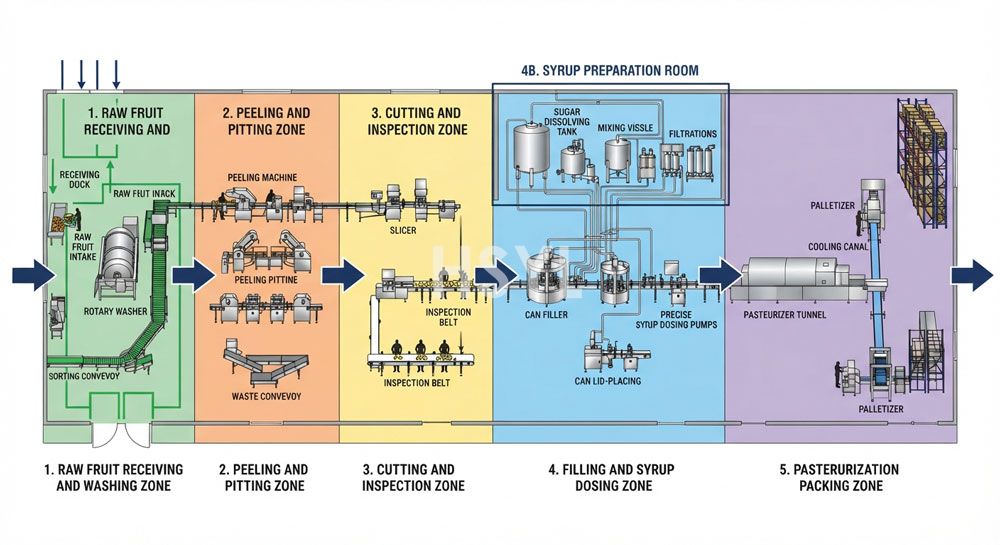
What a Canned Fruit Line Must Do DifferentlyA canned fruit production line has t...
Read more →Our professional team will provide you with the optimal food processing equipment solution. Contact us today for a detailed consultation.