
Pneumatic Flange and Can Seam Stripping Gauge: Mass Flow Kinematics & Sizing
Engineering guide for Seam Stripping Gauge focusing on mass flow kinematics & si...


Beef canning production line engineered for corned beef and stews, handling dense high-viscosity products from cooking to retort. Request your quote today.
Processing dense, high-viscosity beef products such as corned beef emulsions or heavy meat chunks in gravy presents specific mechanical challenges. Entrapped air pockets during the filling phase can lead to uneven thermal penetration, while fat separation compromises product grading. The BC-Series turnkey beef canned food production line is structurally engineered to resolve these issues. By synchronizing high-pressure vacuum dosing with automated double seaming and strict F0 value thermal processing, this line ensures commercial sterility and precise net weights for high-volume meat processing facilities.To maintain hermetic seal integrity and high-speed canning output, configure this stage with our industrial canned peach food processing line price.
The parameters detailed below reflect our standard continuous-operation models designed for 8-to-12-hour industrial shifts. Total electrical and steam consumption metrics are calculated based on the complete turnkey layout, from raw meat loading to final can washing.
| Model | Output Capacity (CPM) | Throughput (kg/h) | Total Power (kW/380V) | Steam Consumption (kg/h) | Air Pressure (MPa) | Floor Dimensions (L x W x H mm) |
|---|---|---|---|---|---|---|
| BC-500 | 50 - 80 | 500 | 45.5 | 350 | 0.6 - 0.8 | 18500 x 4500 x 3200 |
| BC-1000 | 80 - 120 | 1000 | 88.0 | 780 | 0.6 - 0.8 | 24000 x 5200 x 3500 |
| BC-2000 | 150 - 200 | 2000 | 135.5 | 1450 | 0.6 - 0.8 | 31000 x 6000 x 3800 |
Unlike liquid or low-density food packaging, canning solid beef chunks or sticky corned beef emulsions requires aggressive mechanical handling without destroying the structural integrity of the meat fibers.
At the core of the BC-Series is a robust centralized automation architecture driven by a Siemens or Allen-Bradley Programmable Logic Controller (PLC). As empty cans travel along the modular magnetic belt, optical sensors verify can integrity before permitting entry into the star-wheel indexing mechanism.
For chunk-in-gravy formulations, the system employs a dual-stage filling process. First, solid beef pieces are metered into the container. Subsequently, a secondary piston injects the precise volume of heated gravy or broth. A synchronized multi-head rotary seamer then takes over, rotating the cans at high RPMs while the chuck and rollers form the double seam. Throughout this continuous motion, a dedicated Human-Machine Interface (HMI) displays real-time torque values, fill weights, and line speeds, instantly alerting operators to any micro-deviations in mechanical performance.
When engineering a factory layout intended for 2,000 kg/h throughput, equipment synchronization is paramount to prevent bottlenecking. The process begins upstream where deep-frozen beef blocks (-18℃) are reduced and ground. We design the raw material conveyors to feed directly into the mixing and seasoning blenders, maintaining the meat emulsion at a consistent temperature to prevent premature fat rendering before it reaches the filling hoppers.
Following the filling and seaming phases, the sealed units require immediate thermal stabilization. To handle the high-volume output of the BC-2000 without interruption, we integrate the downstream conveyor network directly with an automated industrial retort sterilizer. This turnkey integration manages the critical heating, holding, and rapid cooling cycles precisely dictated by the programmed F0 values, delivering a final product that is commercially sterile, washed, dried, and ready for retail labeling.
Global food safety regulations demand rigorous material traceability and fail-safe process monitoring. Every contact surface, welding seam, and pneumatic valve on our equipment is fabricated to meet or exceed European CE directives, USDA sanitary guidelines, and BRC operational standards. Internal welds are subjected to argon-arc polishing to eliminate microscopic crevices where bacterial colonies might form.
Prior to global dispatch, each production line undergoes a comprehensive Factory Acceptance Test (FAT). We load the machinery with simulated high-viscosity materials to validate the continuous electrical load, pneumatic sequencing, and seaming tolerances. Additionally, our international engineering division deploys directly to your facility to execute the on-site mechanical assembly, PLC software integration, and operator training, ensuring your factory achieves its target Return on Investment (ROI) without operational delays.


Engineering guide for Seam Stripping Gauge focusing on mass flow kinematics & si...
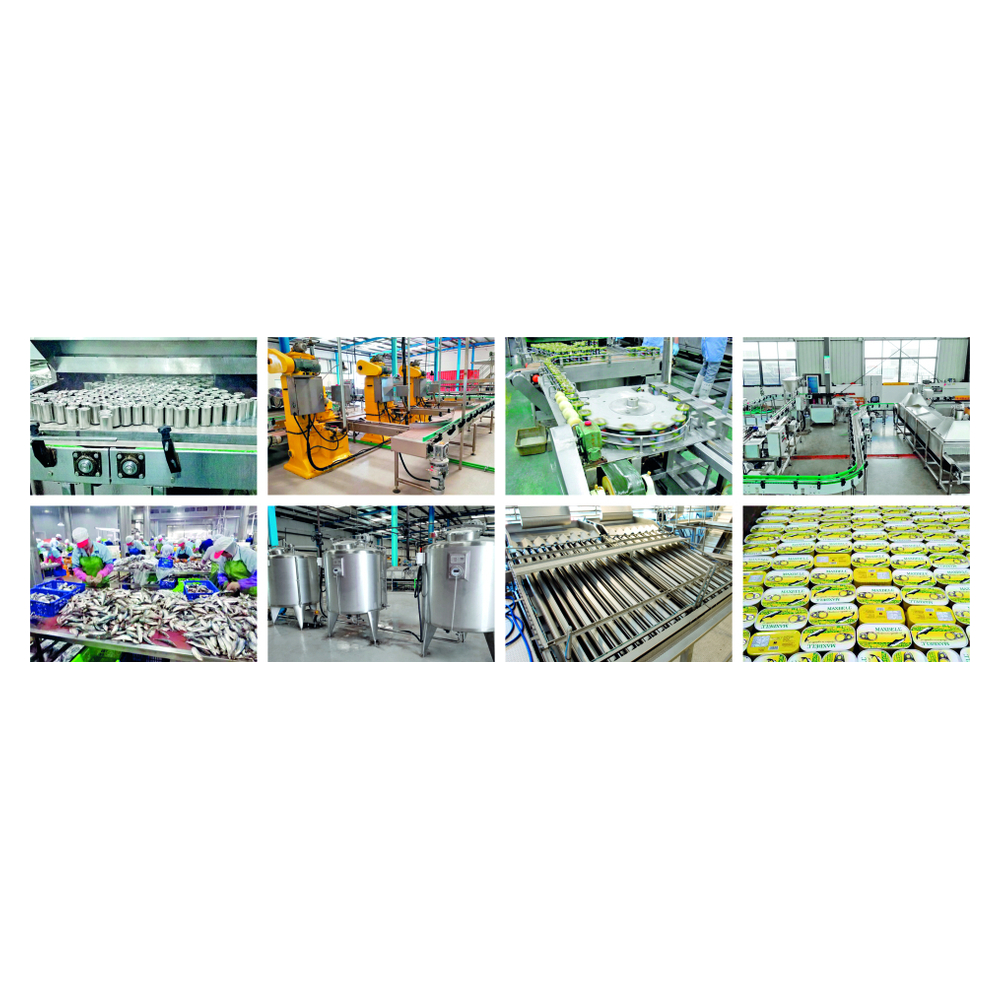
Engineering guide for Club Can Seamer focusing on mass flow kinematics & sizing:...
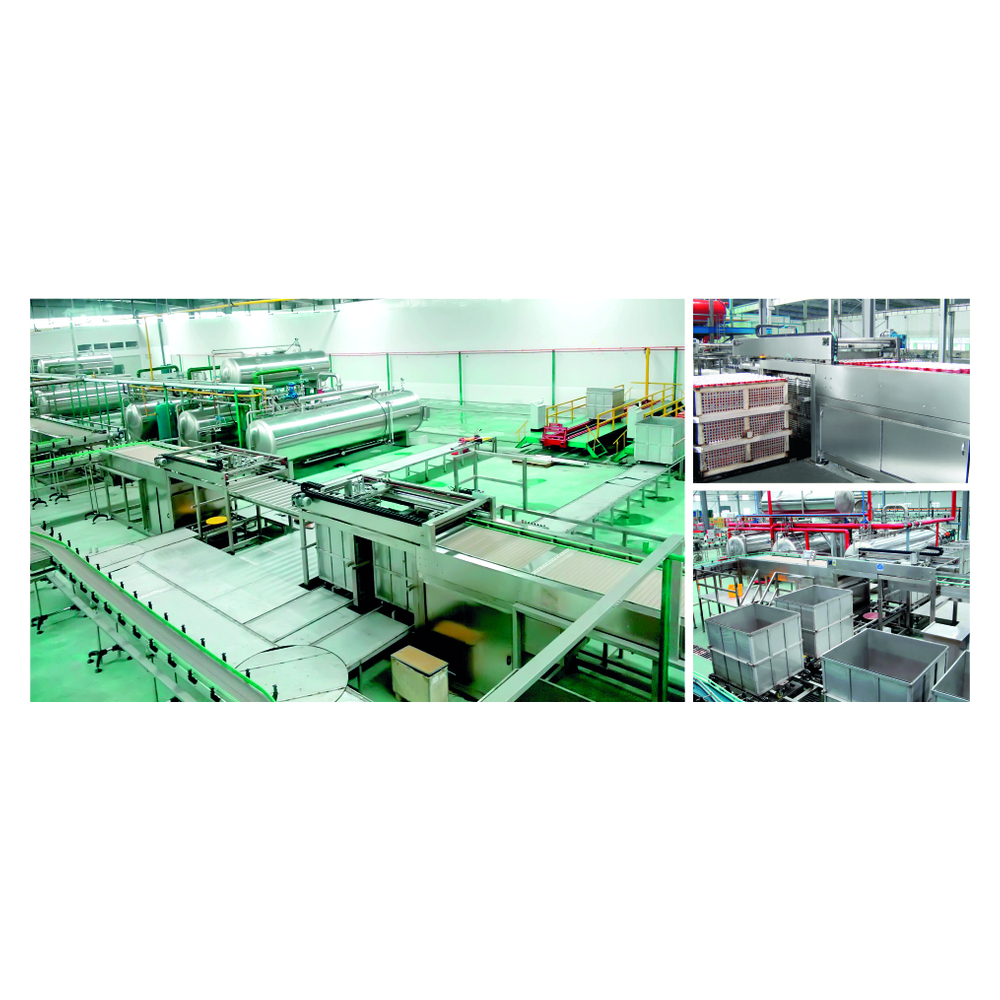
Engineering guide for Basket Shuttle Car focusing on mass flow kinematics & sizi...
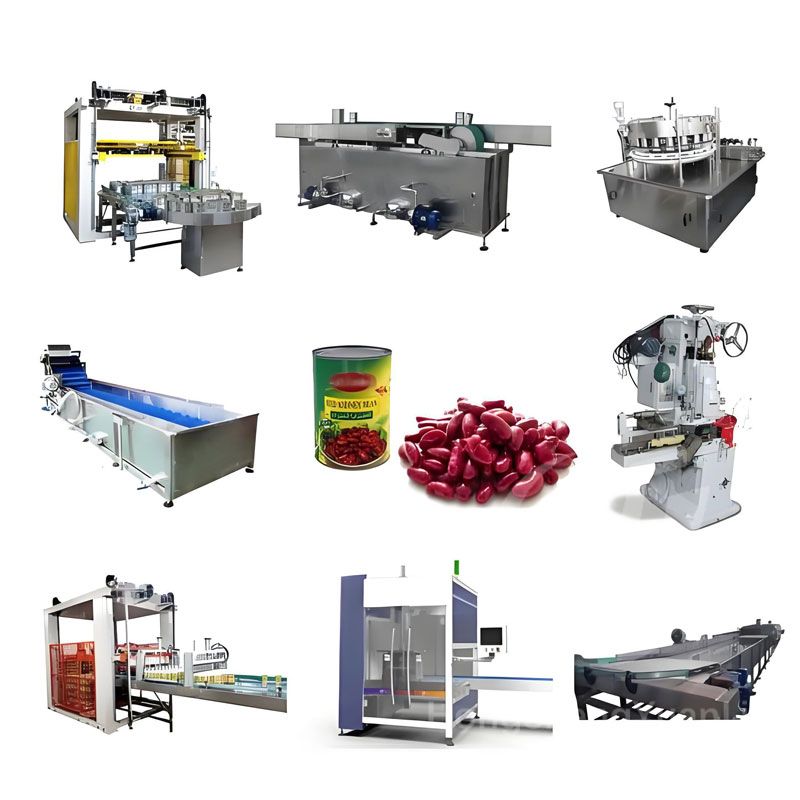
Engineering guide for Tuna Oil Doser focusing on mass flow kinematics & sizing: ...