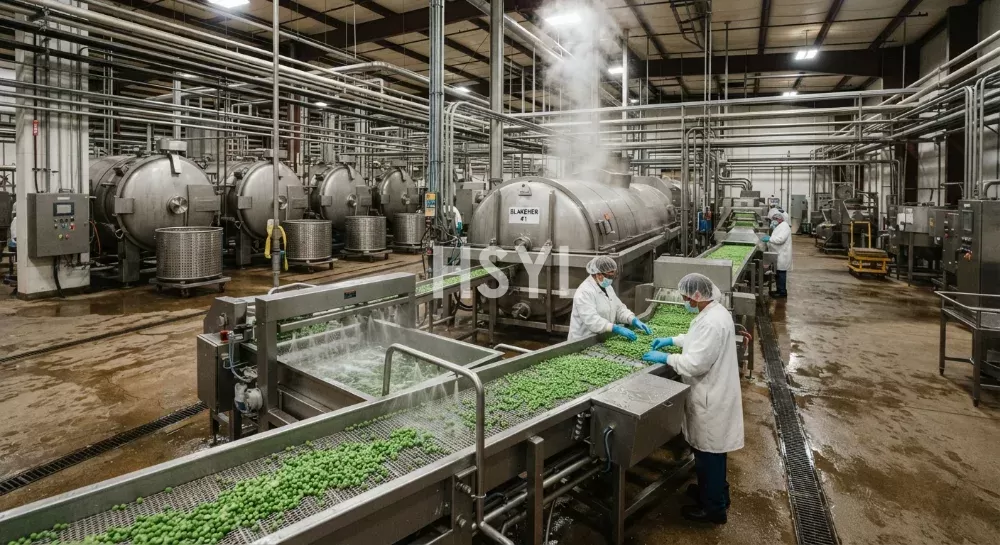
Canned Vegetables Production Line Guide: From Receiving to Retort Sterilization
Complete canned vegetables production line guide covering raw material receiving...


Industrial wet pet food canning line engineered for high-viscosity pâté and chunks in gravy. Features vacuum dosing, double seaming, and F0 thermal control.
Manufacturing commercial-grade wet pet food requires strict rheological control over raw meat emulsions and precise thermal processing to achieve shelf stability without compromising nutritional profiles. High-viscosity formulas, particularly dense pâtés and liquid-solid chunks-in-gravy, frequently cause air entrapment during the filling phase, leading to net-weight variations and inadequate thermal penetration. The WPF-Series canned wet pet food production line resolves these mechanical bottlenecks by synchronizing micro-pressure vacuum dosing with automated multi-head seaming, guaranteeing absolute hermetic integrity prior to downstream sterilization.
The engineering parameters below represent our standard continuous-operation modules configured for 8-to-12-hour heavy industrial shifts. Steam and electrical consumption metrics are calculated based on a complete layout running at peak mechanical load.
| Model | Output Capacity (CPM) | Throughput (kg/h) | Total Power (kW/380V) | Steam Consumption (kg/h) | Air Pressure (MPa) | Dimensions (L x W x H mm) |
|---|---|---|---|---|---|---|
| WPF-300 | 50 - 80 | 300 | 45.5 | 300 | 0.6 - 0.8 | 16500 x 4000 x 3100 |
| WPF-500 | 80 - 120 | 500 | 68.0 | 600 | 0.6 - 0.8 | 21000 x 4800 x 3400 |
| WPF-1000 | 150 - 200 | 1000 | 115.0 | 1100 | 0.6 - 0.8 | 28000 x 5500 x 3800 |
Unlike standard beverage or thin-liquid packaging, processing dense animal proteins requires aggressive mechanical force that must not degrade the underlying meat fibers.
At the operational center of the WPF-Series is a Siemens or Allen-Bradley Programmable Logic Controller (PLC) architecture. As empty cans advance via the modular magnetic conveyor, photoelectric sensors verify the structural integrity of each container before permitting entry into the star-wheel indexing matrix.
When handling complex chunk-in-gravy formulations, the line deploys a dual-stage filling mechanism. Initially, solid meat pieces are metered into the container. A secondary pneumatic piston then injects a precisely calculated volume of heated gravy. The cans are immediately transferred to the multi-head rotary seamer. The integrated Human-Machine Interface (HMI) continuously displays line speeds, individual head torque values, and fill weights, allowing operators to detect micro-deviations in performance instantly.
Executing a 1,000 kg/h production target requires continuous, bottleneck-free material flow. Space optimization and thermal utility management dictate the factory layout. The WPF-1000 model utilizes a linear or U-shaped conveyor configuration, minimizing the total footprint while providing maintenance crews unobstructed access to pneumatic valves and gearboxes.
Because the destruction of Clostridium botulinum spores is non-negotiable in low-acid pet foods, the seamed cans must undergo immediate thermal stabilization. We directly integrate the discharge conveyors of the seaming unit with an automated industrial retort sterilizer. This turnkey configuration automatically manages the critical heating, holding, and cooling cycles based on specific F0 value thermodynamic curves, ensuring the final wet pet food is commercially sterile and ready for retail distribution.
Every mechanical component, welding seam, and fluid bypass valve on the WPF-Series is fabricated strictly according to CE machinery directives and USDA sanitary standards. Internal welds undergo precision argon-arc polishing to eradicate microscopic fissures where bacterial colonies could potentially form. Prior to overseas shipment, each turnkey line is subjected to a rigorous Factory Acceptance Test (FAT) utilizing simulated high-viscosity materials to validate sustained electrical loads, pneumatic sequencing, and hermetic seaming tolerances under continuous operational stress.


Complete canned vegetables production line guide covering raw material receiving...
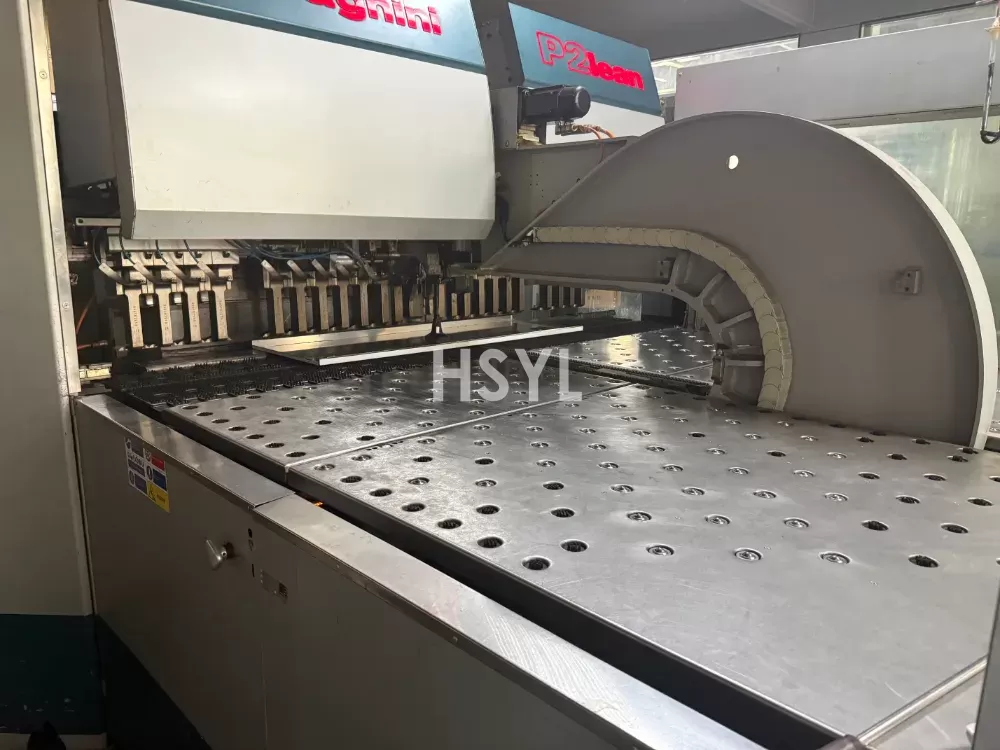
Learn how automated bending equipment improves precision, consistency, productio...
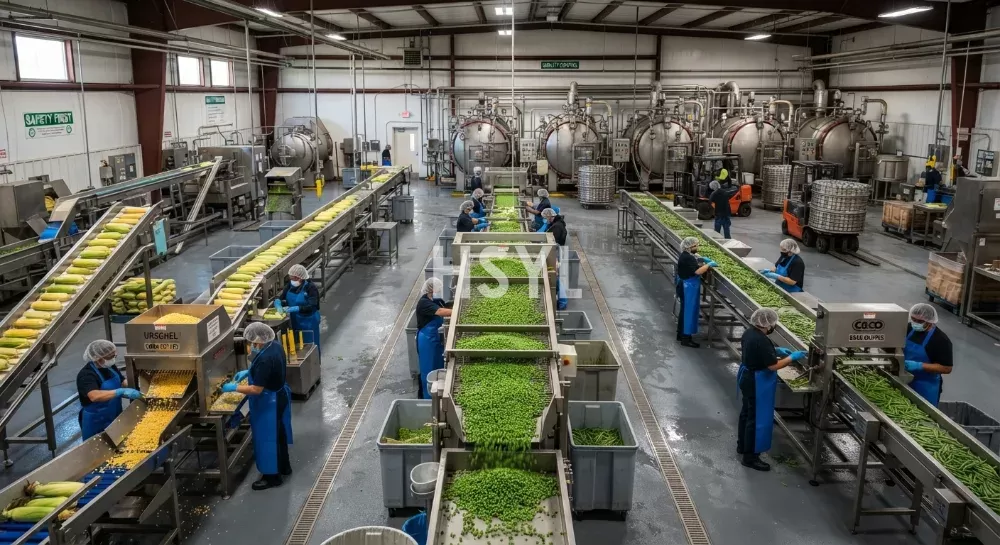
Low-acid canned vegetable processing line for corn, peas, and green beans. Press...
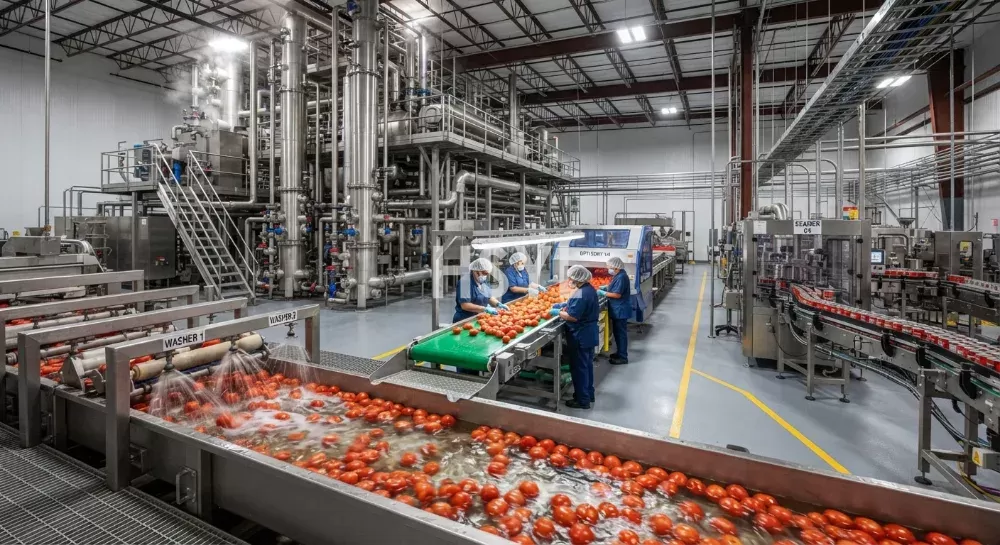
Complete tomato products canning line covering tomato paste, whole peeled tomato...