Why the Tuna Canning Process Demands a Different Line Design
Tuna is not a generic canned fish product. A tuna canning line has to manage heavier raw loads, higher oil content, and tighter headspace requirements than a standard sardine or mackerel line.To balance mass flow between loin cleaning tables and automated chunk packing, analyze throughput constraints with our guide on canning line bottlenecks in filling, seaming, and retort.
That means the engineering decision is not only which filler or retort to buy, but how to synchronize raw fish unloading, precook, picking, filling and sterilization without creating bottlenecks or sanitation blind spots.
Technical buyers and engineering managers should treat this as a full line coordination problem, not a single-machine purchase.
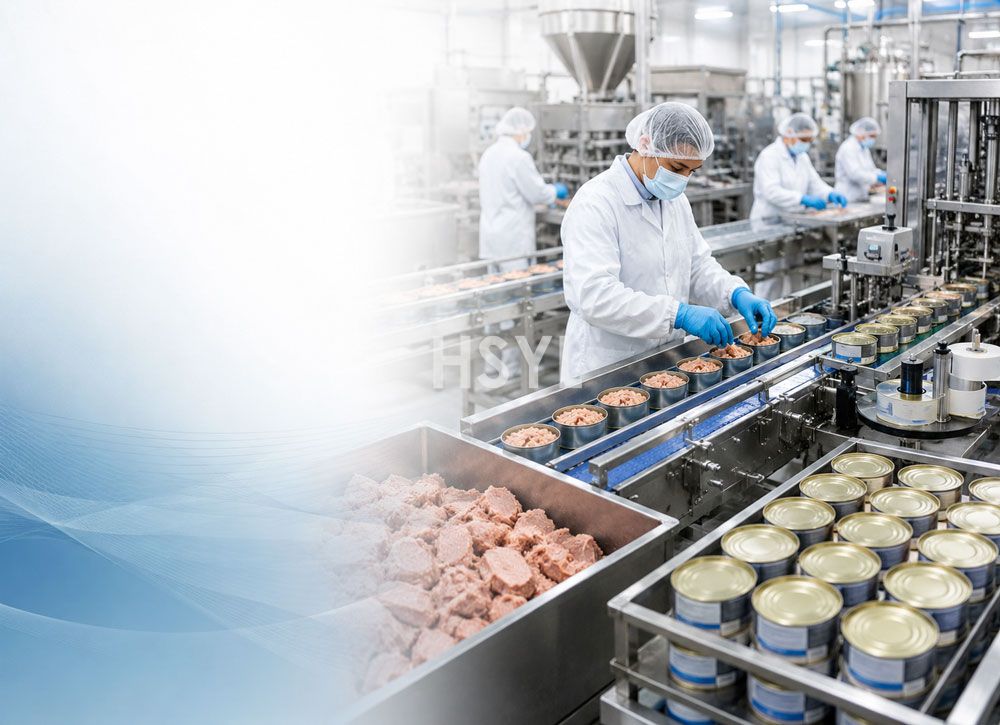
Key Stages in Tuna Canning and What Engineers Should Check
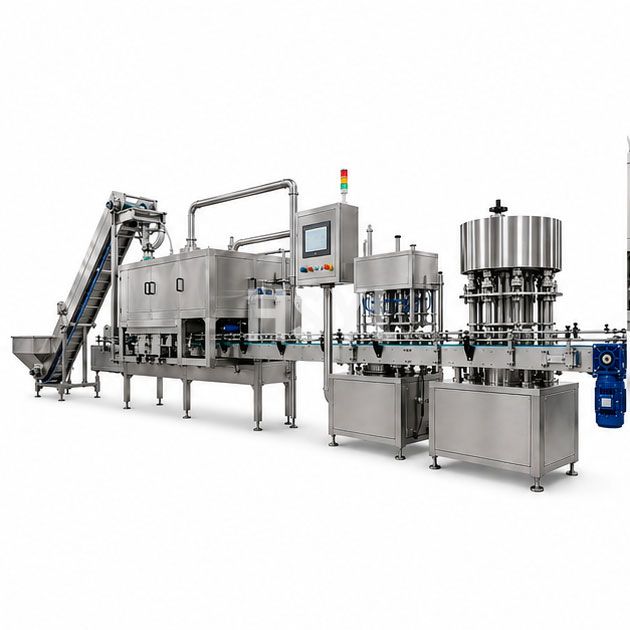
At the core, a tuna canning process usually includes raw fish reception, thawing, trimming, cooking, meat picking, can filling, exhausting, sealing, retort sterilization and post-cool discharge.
Each stage has its own performance margin. A misaligned cook line or an undersized filler will simply shift downtime downstream.
| Process Section | Primary Engineering Focus | Typical Risk |
|---|---|---|
| Raw reception & thaw | Cold chain, buffer capacity, incoming variability | Uneven feed rate, spoiled batches |
| Cook and pick | Temperature control, yield retention, meat separation | Overcooking, excess free oil, damaged chunks |
| Filling & exhausting | Volumetric accuracy, headspace, oil separation | Underfill, excessive gas, poor shelf life |
| Seaming & retort | Seam quality, temperature ramp, cooling time | Leakers, can deformation, long retention |
How Tuna Differs from Other Canned Seafood in Line Planning
Tuna lines tend to require heavier-duty conveyors, larger brine systems and more robust grease traps. Oil-rich meat also stresses seals and bearings in filling and can transfer equipment.
For a high-quality tuna canning line, the material grade on contact surfaces and the ability to switch to different can sizes are more important than raw peak throughput.
HSYL engineers often see buyers choose a fast automatic filler but ignore the need for a dedicated can sealing zone and post-seam cooling rail for chilled retort discharge.
Line Balance and the Hidden Cost of Poor Integration
In practice, a tuna canning line is only as good as its slowest module. A strong retort will not help if the cook-and-pick section cannot supply stable meat flow.
Common integration issues are:
- raw load spikes that overload the cook line
- filler downtime caused by jammed can infeed
- retort queues because cooling and unload lanes are undersized
That is why procurement should ask for a material flow diagram and not just individual machine specs.
Sanitation and Maintenance: The Real Throughput Drivers
Tuna processing creates a lot of fish oil and protein residues. The line design must support frequent washdown and quick access to wear parts.
CIP-friendly pipework, removable spray headers, and open-frame conveyors are not optional in a canned tuna line. If a line forces operators to disassemble the filler or seamer for routine cleaning, the daily downtime can erode the expected capacity.
HSYL typically recommends segregated wet and dry zones, because cross-contamination between raw fish handling and can sealing is a common operational risk.
Common Selection Mistakes in Tuna Canning Equipment
Here are the procurement traps experienced plant engineers watch for:
- choosing a filler rated only for water, not viscous brine or oily tuna chunks
- specifying a retort based on can count instead of thermal load and headspace control
- accepting a “universal” fish line without capacity for heavier tuna cans and thicker lids
- overlooking service clearance around the cooker, filler and seamer
One practical sign of a weak offer is when the supplier cannot supply a line layout that includes the upstream cooling conveyors, can washing module and downstream packing section together.
Engineering Trade-offs Every Buyer Must Weigh
A tuna canning line usually faces these trade-offs:
- flexibility vs. cost: a line that can handle multiple can diameters will cost more but reduces future line changeover risk
- automation vs. operator dependency: more automatic can transfers improve consistency, but require better control system support
- capacity vs. sanitation cycle: higher line speed often means longer washdown time unless the line is designed for it
Smart buyers evaluate lifecycle cost, not just the purchase price.
Practical Plant Checklist for Tuna Canning Line Planning
Project engineers can start with these execution points:
- define the target product type early: chunk tuna in oil, solid pack, or ready-to-eat salad base
- confirm raw fish arrival pattern and required cold storage buffer
- review the proposed line layout for maintenance access and washdown separation
- verify the filler’s volumetric or piston filling method is suitable for the intended vinegary or oily medium
- check that the retort supplier can supply documentation for thermal process validation and seam inspection
For a deeper engineering view on overall plant layout, see the HSYL fish canning factory layout guide.
Controlling Product Quality through Process Discipline
On a tuna line, the critical control points are often less obvious than the retort. The meat picking station, the exhausting step and even the can stacking zone can affect quality.
Consistency in chunk size, filling weight and lid seam torque is what keeps shelf life stable. That is why engineering teams should insist on live process monitoring and not only on the installed machine rate.
This also applies to the finished can handling section. A line with poor transfer geometry can create can jams that appear as random stoppages during production.
Why Internal Linkage Matters for Turnkey Seafood Lines
When selecting a tuna canning solution, it helps to compare the proposal to proven references in canned fish production. HSYL’s seafood line guides show typical equipment groups and layout logic for canned tuna and related products.
If you are evaluating a turnkey supplier, ask for references for the exact product family, such as tuna canned production lines or fish canning flow diagrams.
Actionable Steps for Plant Managers and Engineering Buyers
After reading a supplier proposal, an experienced engineering manager should immediately validate these points:
- Does the line design include a complete hygiene workflow from raw fish unloading to finished can packing?
- Is there a utility estimate for steam, chilled water and compressed air tied to the planned throughput?
- Has the team accounted for planned preventive maintenance on the filler, seamer and retort every shift?
Those are the questions that separate a workable tuna canning line from a line that looks good on paper but struggles in the first 90 days.
Related Topics
- Fish Canning Process Flow Practical Plant Guide
- Tuna Canned Production Line
- Fish Canning Factory Layout B2B Engineering Design Guide
Call to Action
If you are planning a tuna canning project, compare the proposed line layout and sanitation workflow against actual production constraints before signing a purchase order. HSYL can help review your process flow, equipment match and factory integration from an engineering perspective.
Frequently Asked Questions
What are the main stages of a tuna canning production line?
How does tuna canning differ from other seafood canning lines?
What is the best way to reduce downtime on a tuna canning line?
Should I choose a piston filler or volumetric filler for tuna cans?
What are the hidden costs when selecting a tuna canning line?
Related Articles





Get professional consultation
Do you have any questions or need technical support regarding the content of this article? Fill out the form below, and our expert team will provide you with professional solutions.