Retort cooling water needs a defined hygiene and engineering boundary. Source water, treatment, recirculation, container contact and discharge can involve different responsibilities. A utility connection labeled cooling water is not a complete system specification.
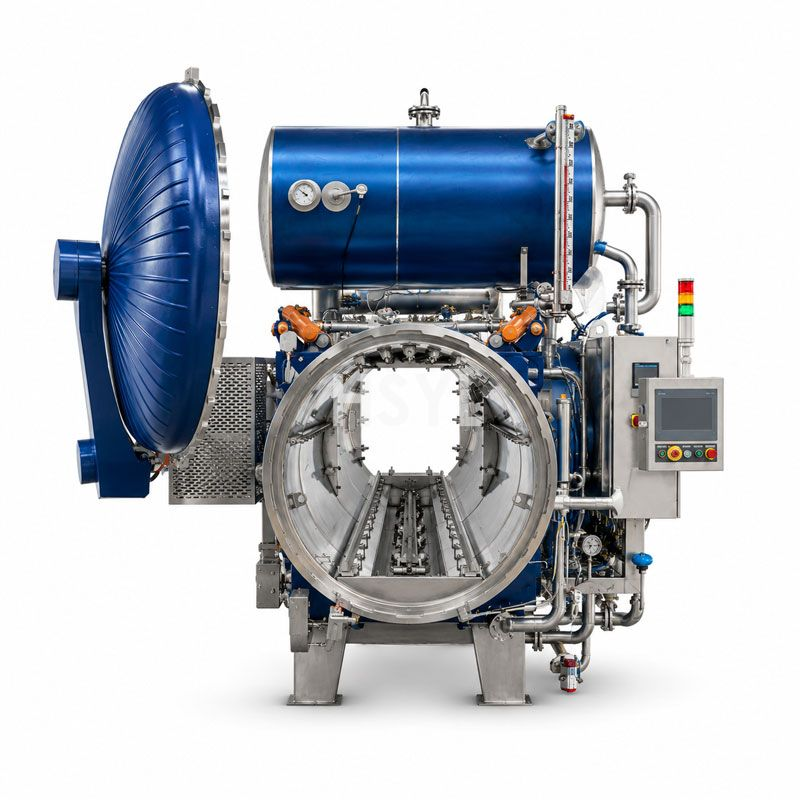
Map the proposed retort cooling arrangement with the equipment supplier and factory technical team. Use the actual configuration rather than assuming all retorts use water in the same way.
Trace the water route
Identify sources, storage where present, treatment points, equipment connections and recirculation paths. State where water contacts containers and which parts of the arrangement belong to the buyer or supplier.
| System question | Record to retain |
|---|---|
| Where does water originate? | Source and supply responsibility |
| How is it treated? | Approved treatment and verification references |
| Is it recirculated? | Return route and system boundary |
| Where is it assessed? | Monitoring locations and methods |
| What happens after use? | Discharge or recovery arrangement |
Link hygiene requirements to the application
FDA's cooling-water inspection guidance discusses treatment and monitoring considerations for canned-food systems. The factory needs an approved arrangement and assessment appropriate to its product, equipment and market; this article does not set a universal sanitizer dose or sampling frequency.
Keep the treatment specialist's requirements connected to the equipment operating conditions. A value measured at one convenient point may not answer the question at the location the assessment is intended to cover.
Review cooling and packaging together
Cooling conditions can interact with the container and the required product process. Obtain the approved operating basis from the responsible specialists rather than adjusting cooling solely to make cans look drier at discharge.
The headspace and can-deformation guide provides related packaging context. It does not replace the equipment and process review for the installed cooling arrangement.
Include records and response responsibilities
Define who reviews water-system findings, equipment alarms and departures from the approved conditions. Connect affected production to the relevant cooling and process records. Retain changes to treatment, source or recirculation configuration for technical review.
A completed site-service check confirms only the scope actually inspected. Keep water hygiene evidence, process evidence and mechanical installation evidence distinguishable in the handover file.
Frequently Asked Questions
Does potable supply alone define the complete cooling-water control?
Can cooling settings be changed to solve wet labels?
Related Articles



Get professional consultation
Do you have any questions or need technical support regarding the content of this article? Fill out the form below, and our expert team will provide you with professional solutions.