A retort process deviation requires a controlled product response and an accurate record of what happened. The event file should connect actual process evidence to the affected loads and the authorized evaluation. A later normal display does not resolve the status of product processed during the event.
Use the factory's approved deviation procedure and responsible process specialists. The FDA inspection guide on process control and deviations is a reference for the wider review context, not permission to release a particular lot.
Preserve the event evidence
Keep original electronic or paper records, alarm information and operator observations. Record the event chronology without rewriting observations to match an expected cycle. Identify instrument or data gaps that may affect interpretation.
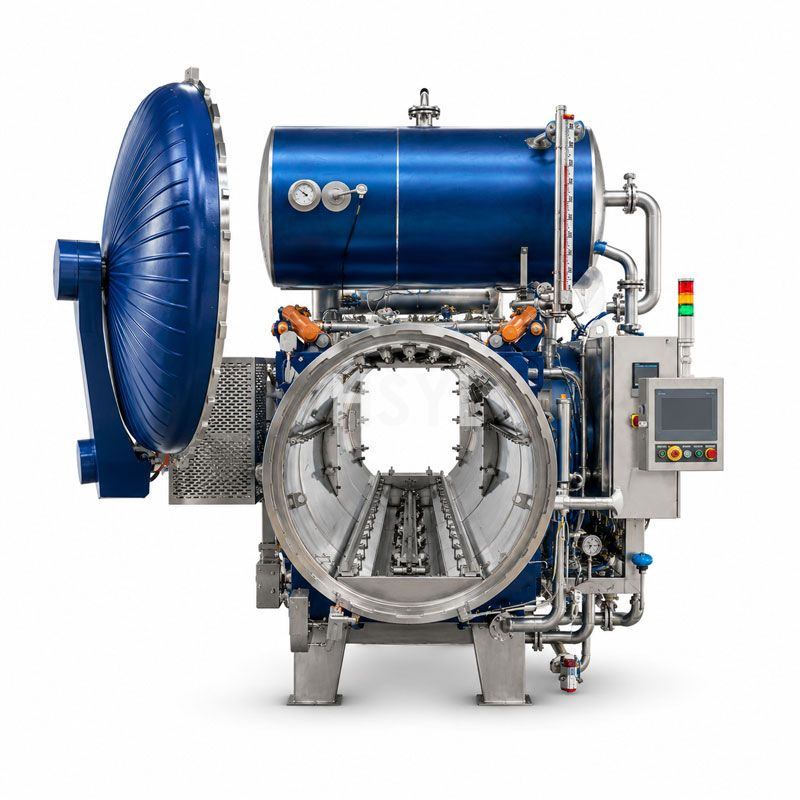
- Event. What was observed and when.
- Equipment. Retort and relevant instrument identities.
- Product. Recipe, container and affected load references.
- Status. Location, quantity and hold controls.
- Evaluation. Qualified assessment and authorized disposition.
Identify the affected product
Use load and production records to define the product potentially involved. Keep uncertainty visible if a boundary cannot yet be established. Product identification should support the hold arrangement and later reconciliation of quantities.
The fish canning thermal responsibilities guide helps distinguish equipment support from the qualified evaluation of product process adequacy. The supplier can investigate equipment behaviour without independently authorizing food release.
Control product while the review is open
Maintain the status required by the approved procedure and prevent uncertain product from being confused with released stock. Record movements, samples and any additional work under the appropriate authorization.
Do not invent a corrective processing schedule from a generic temperature chart. Any reprocessing, other disposition or release must follow the applicable qualified evaluation and requirements.
Close the technical and product actions separately
An equipment fault can be corrected while the affected product remains under review. Keep those action tracks separate. Retain the repair evidence, readiness checks, process evaluation and final disposition records with clear cross-references.
At closure, reconcile the identified quantity and record who authorized each decision. The file should allow a later reviewer to understand the actual event and the basis of the outcome without relying on verbal explanations.
Frequently Asked Questions
Does a completed cycle automatically close an earlier deviation?
Can the equipment supplier decide whether food is safe to release?
Should missing data be reconstructed as if measured?
Related Articles



Get professional consultation
Do you have any questions or need technical support regarding the content of this article? Fill out the form below, and our expert team will provide you with professional solutions.