
Multi-recipe changeovers on a wet pet food line should be planned as part of the equipment review. A line that runs one product successfully may still need different parts, settings, cleaning steps or restart checks for another recipe or can format.
Build a product and package change matrix
List each recipe and can format expected on the line. For every change, note which characteristics differ: product structure, added liquid, package tooling, transfer arrangement or cleaning requirement. Mark where those differences affect the equipment and who will confirm the operating method.
Ask how the line is prepared between products
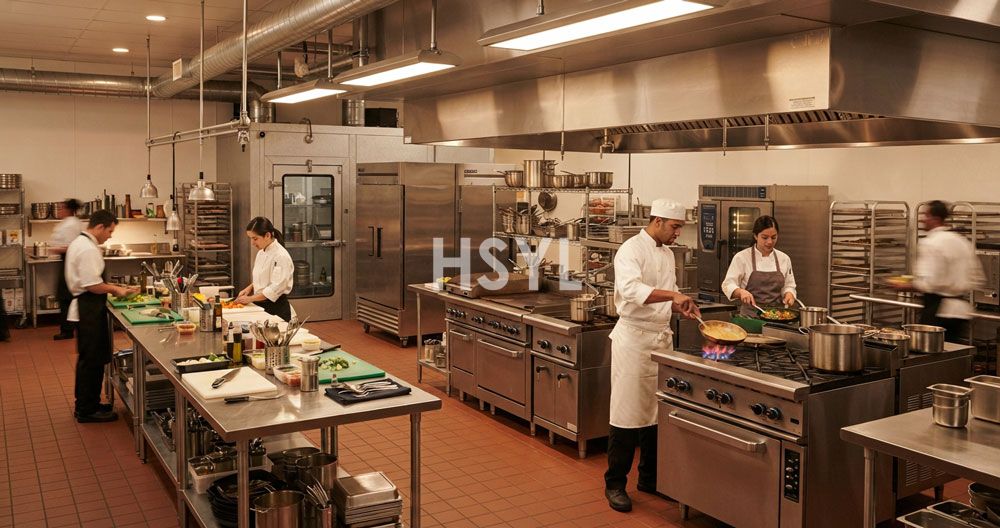
Review product-contact parts, accessible surfaces, removable components, drainage and the space needed to clean or inspect the equipment. State the plant's cleaning method and ask which tasks the supplier's machine design supports. Do not assume a machine has automated cleaning or is compatible with a particular chemical unless the offered model and procedure confirm it.
Sequence recipes with operations and quality
Have production, sanitation and quality teams review the planned run order. Identify when line clearance is needed, how product identity is maintained and what checks are required before the next recipe starts. If a shared line is proposed, ask what evidence supports the changeover method and what still requires a plant trial.
Use the product matrix to assign each cleaning and restart check to a role. For example, one person may remove identified change parts while another verifies line clearance under the plant procedure. The actual roles should come from the factory's management system, not from a generic supplier checklist.
Ask the supplier to show the access and removal points that support the planned work. Include photographs or drawings in training documents where they clarify which parts are handled. Keep the approved procedure with the recipe sequence so operators can find the right instructions for the next run.
Record the time and work, not just the settings
During a trial, record the product being removed, change parts handled, cleaning or inspection steps performed, restart checks and unresolved issues. Use the factory's actual procedures and staff roles. These observations support a realistic schedule and help identify whether the changeover affects the production plan.
The HSYL wet pet food line page asks buyers to list recipes and planned changeover frequency. Share the SKU and cleaning plan with HSYL when discussing a multi-product configuration.
Put changeover commitments in the proposal
Request the relevant change-part list, operating instructions, cleaning access information and trial basis. Define what the supplier will demonstrate and what remains a factory procedure. An explicit changeover scope is easier to review than a general claim of “multi-product flexibility.”
Frequently Asked Questions
Can one wet pet food line run multiple recipes?
Does equipment flexibility confirm sanitation between recipes?
What should a changeover trial record?
Explore More Articles
Get professional consultation
Do you have any questions or need technical support regarding the content of this article? Fill out the form below, and our expert team will provide you with professional solutions.