You have secured the site, finalized the menu, and now face the decision that will define your central kitchen's operational reality for the next decade: which commercial kitchen equipment to buy and how much to invest in each category.
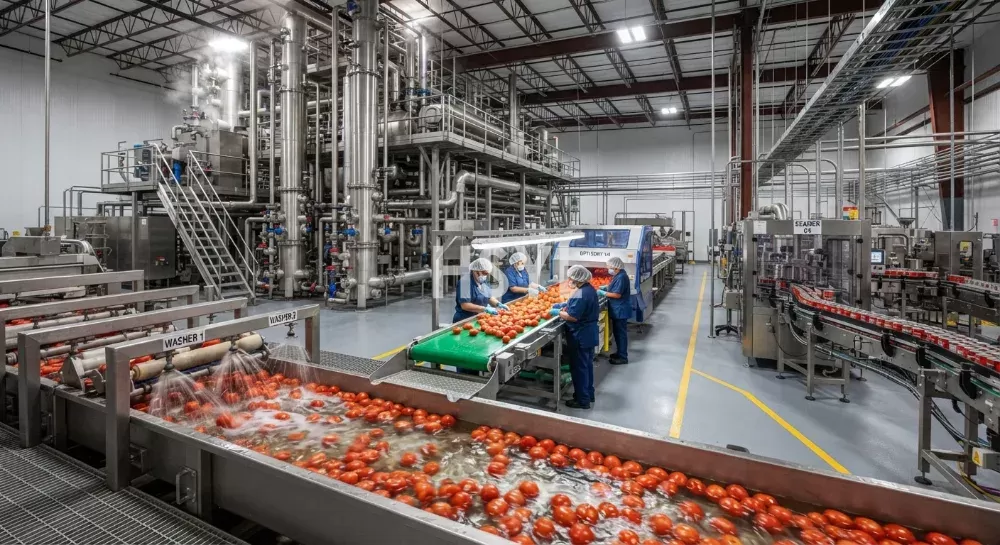
A central kitchen is not a larger version of a standalone restaurant kitchen. It operates at a different scale, with different batch sizes, different staffing models, and different hygiene requirements. Equipment that works perfectly in a 200-seat hotel restaurant can become a bottleneck when tasked with producing 5,000 meals per day across multiple outlets.
This guide walks through a structured selection framework designed specifically for central kitchens, covering capacity-driven sizing criteria, essential equipment categories by function, hot/cold/prep zoning principles, and practical questions to ask before signing any equipment contract. For a complete overview of how individual machines fit into an integrated workflow, see HSYL's Kitchen Equipment Solutions.
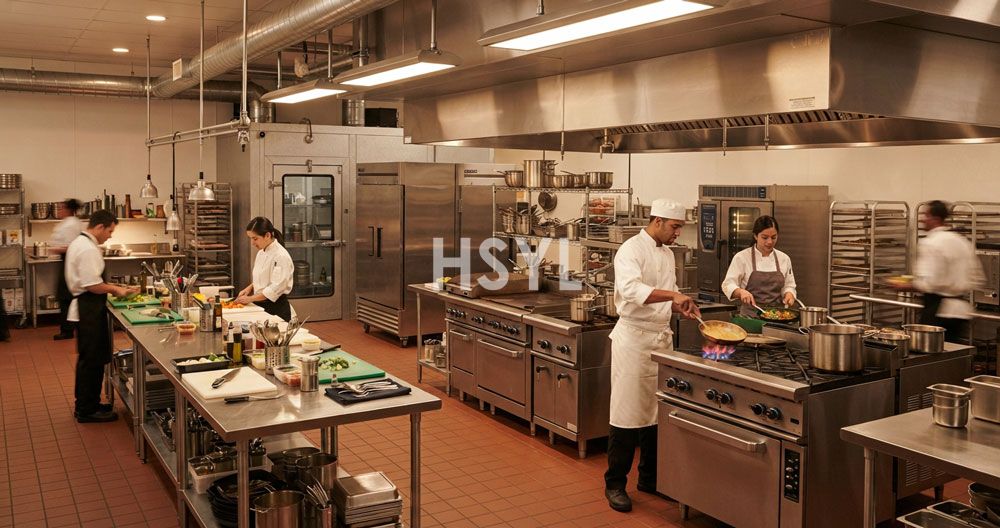
Step 1: Define Your Central Kitchen Capacity Baseline
Before reviewing any equipment catalog or supplier quotation, you need three numbers that will drive every subsequent decision:
| Capacity Metric | What It Determines | How to Calculate |
|---|---|---|
| Daily Meal Output Target | Cooking equipment size, oven capacity, refrigeration tonnage | Total meals across all delivery points × peak-day buffer (typically 120-130%) |
| Menu Complexity Index | Number of specialized stations, prep area square footage | Count distinct cooking methods required (stir-fry, bake, steam, fry, boil, cold prep) |
| Cold Chain Volume | Walk-in cooler/freezer sizing, blast chiller quantity | Daily raw ingredient intake (kg) + finished product cold storage requirement (kg) |
Practical Note: Central kitchens typically require 30-40% more refrigeration capacity than single restaurants due to bulk ingredient storage and staggered production cycles. Underestimating cold storage is one of the most common retrofit costs in first-year operations.
Write these three numbers down and keep them visible during every equipment review meeting. A supplier who proposes equipment without asking about your daily meal volume is not configuring for your operation—they are selling from inventory.
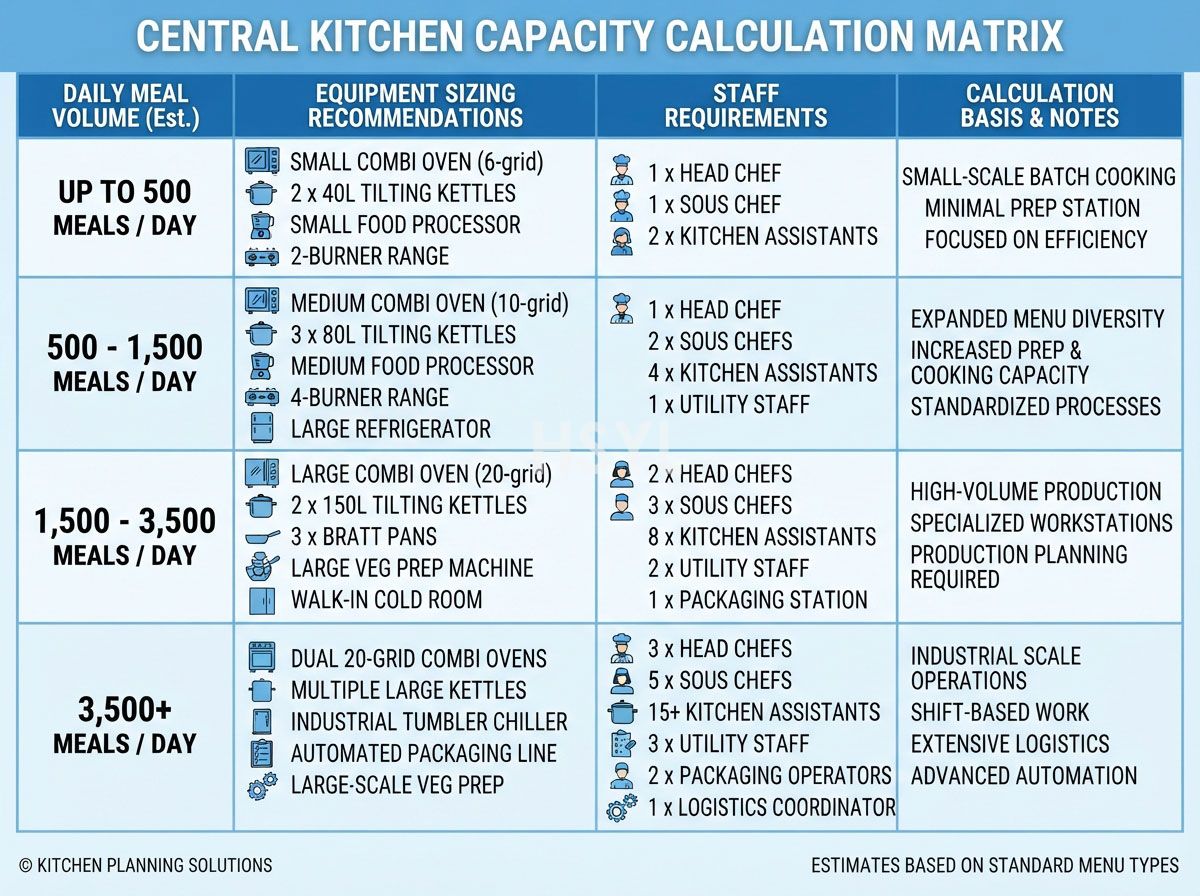
Step 2: Map Equipment Categories to Your Production Workflow
Central kitchen equipment falls into six functional groups. Not every central kitchen needs all six at equal scale—the right mix depends on whether you are doing Asian cuisine (wok-heavy), Western cuisine (oven/grill-heavy), or mixed-format catering.
| Equipment Category | Primary Function | Key Selection Criteria | Typical Capacity Indicator |
|---|---|---|---|
| Cooking Stations | Heat-based cooking (fry, sauté, boil, wok) | Burner count, BTU output, fuel type (gas/electric) | Meals per hour per station |
| Baking & Warming Equipment | Oven baking, proofing, holding | Rack capacity, temperature range, evenness | Pans/batches per cycle |
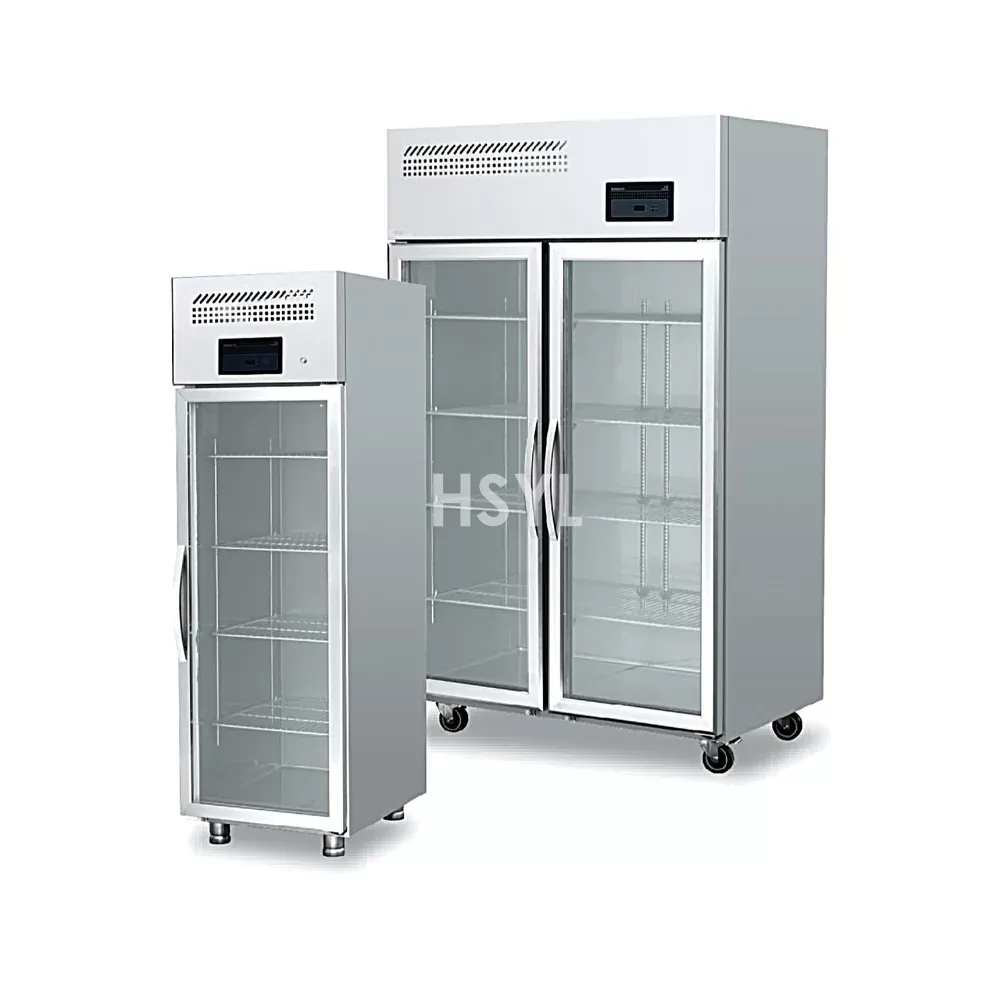
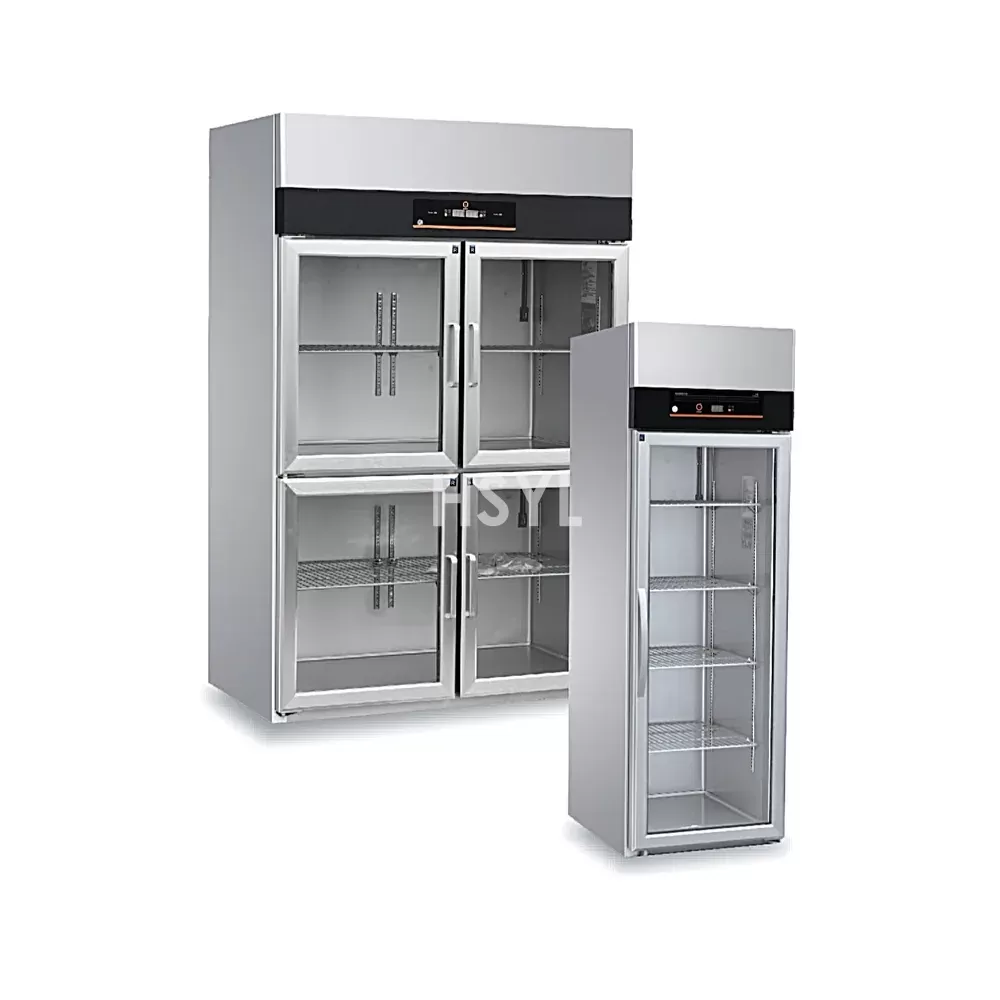
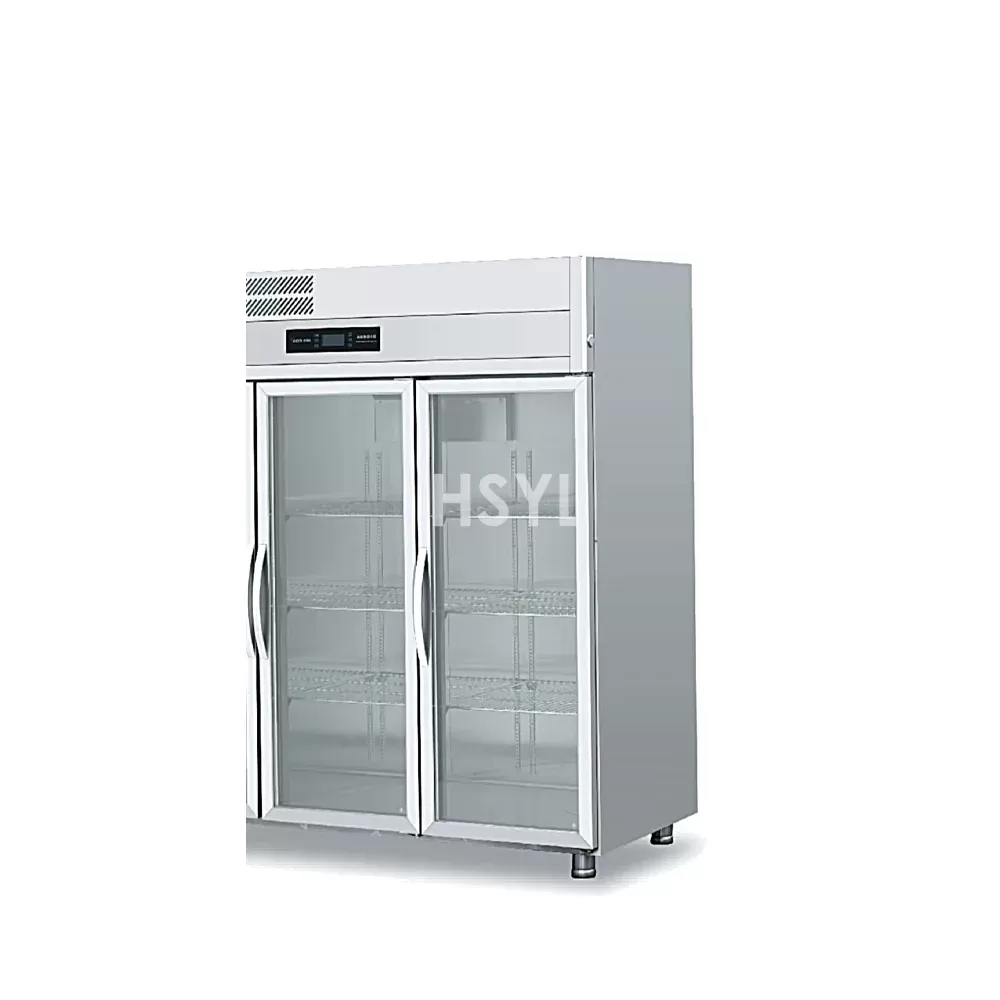
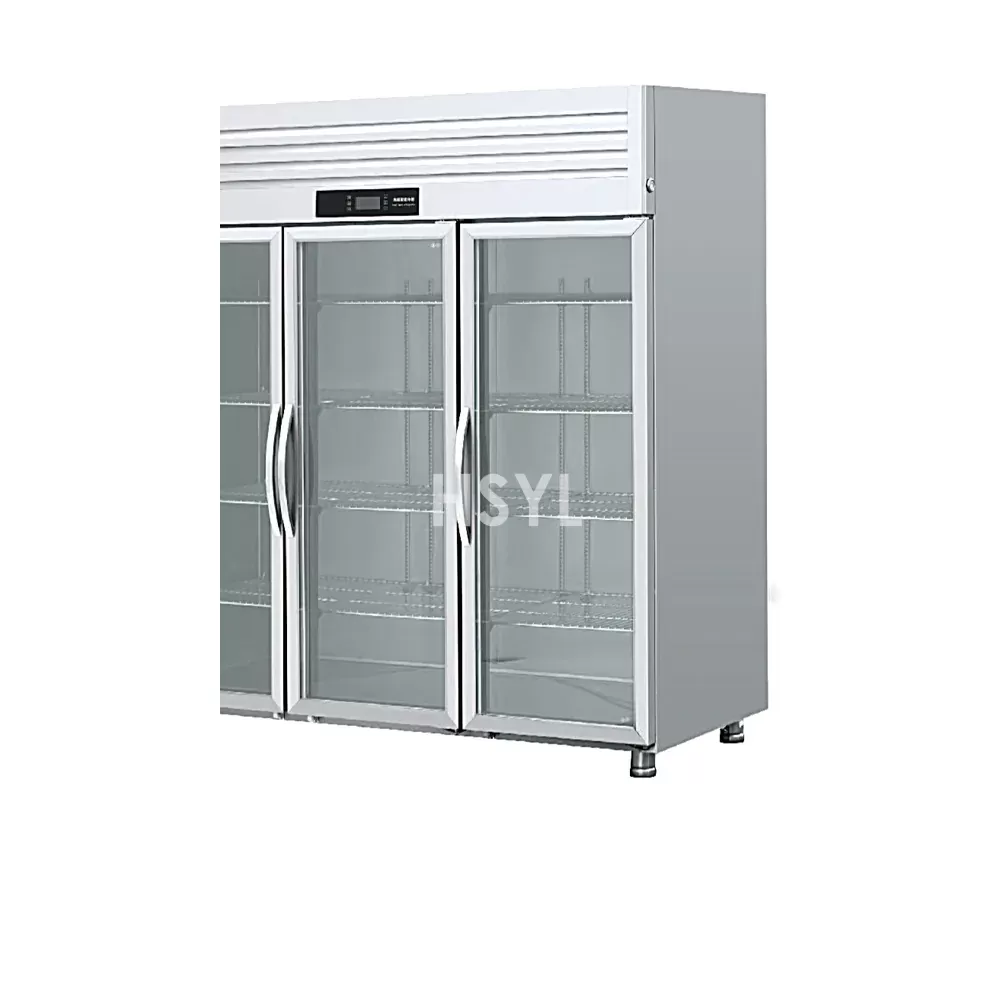
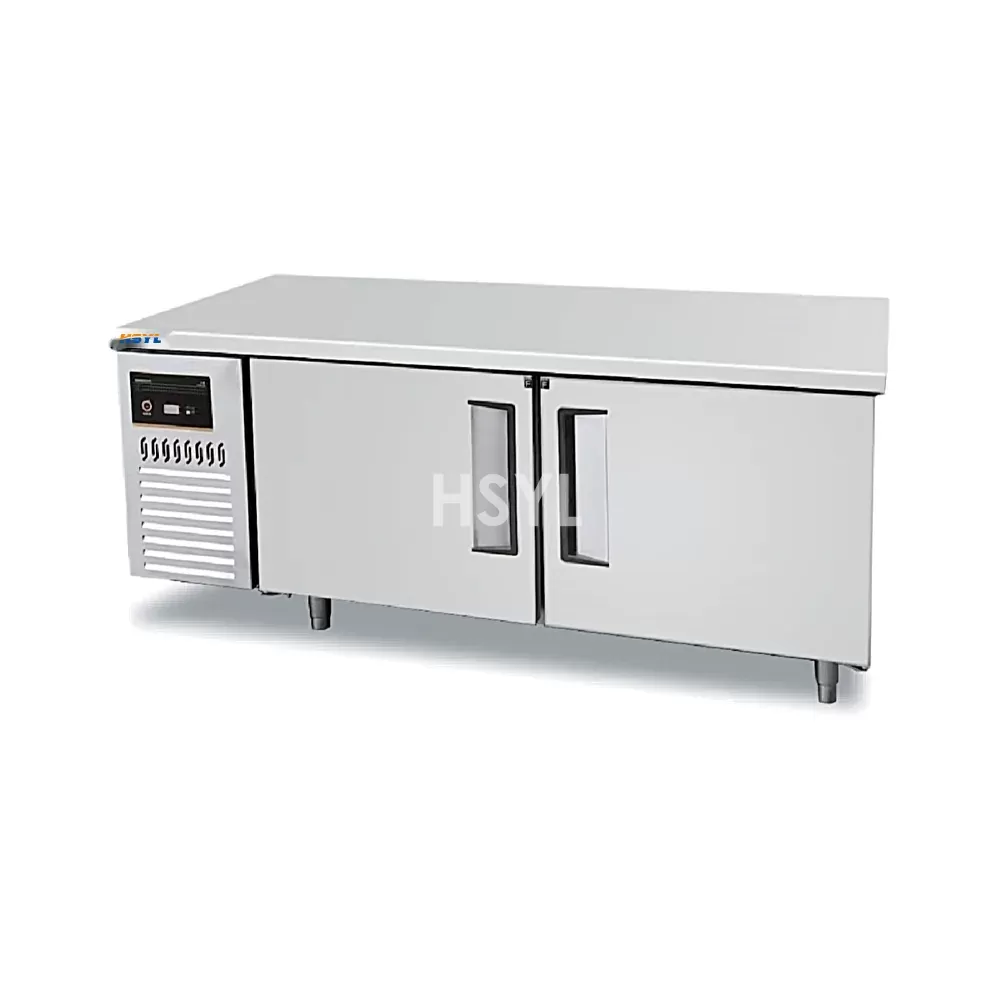
| Refrigeration Systems | Raw material storage, blast chilling | Tonnage, temperature zones, defrost cycle | Cubic meters / kg capacity |
| Prep & Processing | Cutting, mixing, portioning | Throughput speed, hygiene design, noise level | kg/hour processing rate |
| Ice Production | Beverage ice, ingredient cooling, display | Ice type (cube/flake/crescent), daily output kg | kg/day ice demand |
| Hygiene & Sterilization | Utensil sterilization, pass-through sanitation | Chamber size, temperature reach, cycle time | Racks/trays per cycle |
Cooking Stations: Matching Burner Configuration to Menu Profile
The cooking line is usually the highest-cost single equipment category in a central kitchen. The choice between gas and electric, open-burner vs. flat-top, and single-unit vs. modular range directly impacts your throughput ceiling.
For high-volume wok-based operations (Chinese, Southeast Asian, fusion), a multi-burner range such as the Cooking Range 700 Series provides the concentrated heat output needed for rapid stir-fry batches. For Western-style central kitchens producing roasted items, baked goods, or proofed dough products, electric ovens with full-view glass doors like the Full-View Electric Oven offer better temperature stability and easier monitoring during long cook cycles.
Selection rule: Calculate peak-hour cooking demand (meals in busiest hour) and divide by realistic output per burner. If your calculation shows you need more than 6 burners in a single line, consider installing two parallel cooking stations to avoid bottlenecks during shift changes.
Refrigeration & Ice: Don't Underestimate Cold Chain Demand
Central kitchens receive ingredients in bulk—often weekly or bi-weekly shipments—and must maintain strict temperature control from receiving through production to distribution dispatch. This means walk-in coolers and freezers are non-negotiable infrastructure, not optional add-ons.
Ice production is another frequently underestimated category. Between beverage service for attached dining areas, ingredient cooling during prep, and cold display requirements, a central kitchen can easily consume 200-500 kg of ice per day depending on scale. Cube ice makers such as the SD-3000/SD-4000 Commercial Cube Ice Maker series are designed for this continuous-output scenario, whereas smaller countertop units are suited only for front-of-house bar service.
Step 3: Apply Hot Zone / Cold Zone / Prep Area Zoning Logic
Equipment placement in a central kitchen follows a fundamental zoning principle that affects both workflow efficiency and food safety compliance:
- Hot Zone: Cooking ranges, fryers, ovens, griddles — generates heat, grease, and smoke. Requires heavy-duty ventilation hood coverage sized to total BTU output plus safety margin.
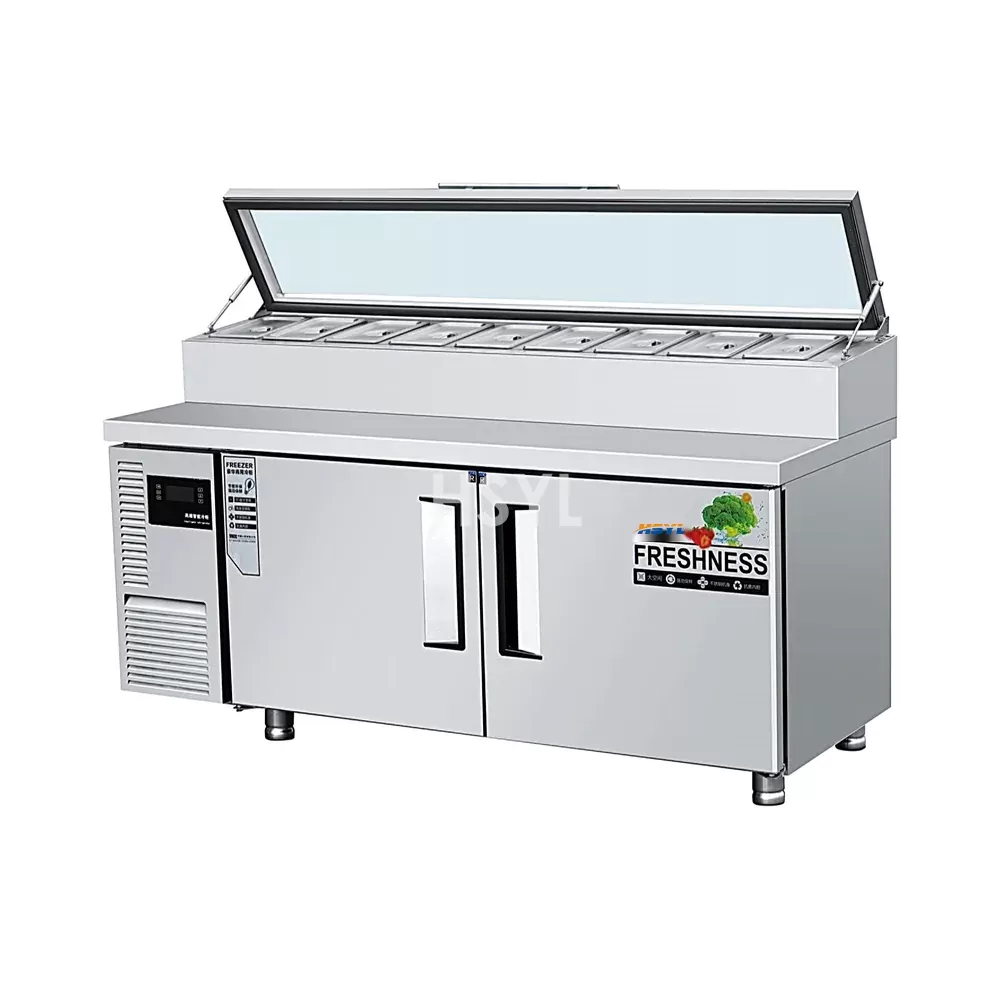
- Cold Zone: Walk-in coolers, freezers, blast chillers, refrigerated prep tables — requires stable ambient temperature below 16°C (60°F). Must be separated from hot zone by physical distance or insulated partitions.
- Prep Area (Dry/Wet): Cutting stations, mixing equipment, washing sinks, portioning tables — requires non-slip flooring, adequate drainage, and separation between raw ingredient handling and ready-to-eat assembly.
Engineering Note: Floor drainage and non-slip flooring are mandatory in wet prep areas. Electrical load balancing is required when mixing gas-powered cooking equipment with electric ovens and refrigeration compressors on the same circuit panel.
Zoning mistakes are expensive to fix after installation. If your floor plan forces staff to cross from raw meat cutting (wet prep) directly to plated dessert assembly (ready-to-eat) without a handwashing station and directional flow barrier, you are creating a cross-contamination risk that health inspectors will flag.
Sterilization & Hygiene Equipment Placement
In a central kitchen serving multiple outlets, utensil and container turnover volume is significantly higher than in a single restaurant. A Double-Door Pass-Through Sterilizer positioned at the boundary between clean and semi-clean zones allows sanitized items to be retrieved without re-entering the wash area, reducing traffic congestion and contamination risk during peak production shifts.
Step 4: Evaluate Supplier Capability Beyond Equipment Price
Price per unit is the easiest comparison point but often the most misleading. When evaluating commercial kitchen equipment suppliers for a central kitchen project, apply these five criteria:
| Evaluation Criterion | What to Ask | Red Flag |
|---|---|---|
| Project-Specific Configuration | "Can you configure this equipment mix for X meals/day with Y menu types?" | Supplier quotes standard catalog items without asking about your capacity baseline |
| Installation & Commissioning | "Does your scope include utility hookups, ventilation connection, and test-run support?" | Equipment delivered "to dock only" with no installation coordination |
| After-Sales Service Network | "What is your average response time for emergency repairs? Do you stock spare parts locally?" | No clear spare parts inventory or technician availability in your region |
| Material & Certification Transparency | "Is all food-contact material certified stainless steel 304 or higher? Can you provide material certificates?" | Vague answers about "food-grade" without specific grade or certificate reference |
| Scalability Path | "If I expand capacity by 50% in two years, can this equipment configuration be extended or upgraded?" | Locked-in design with no modularity or expansion provisions |
From Equipment Selection to Integrated Workflow Design
Choosing individual pieces of equipment is necessary but not sufficient. A central kitchen performs best when equipment selection is coordinated with overall workflow design—receiving flow, prep sequencing, cooking station handoffs, cooling/chilling paths, and packaging/dispatch staging.
If you are in the planning phase and want to see how cooking, refrigeration, prep, and hygiene equipment fit into a complete central kitchen production system, refer to Kitchen Equipment Solutions for integrated workflow layouts and module combinations tailored to different output scales.
Core Equipment Categories Available for Central Kitchen Deployment
For procurement teams building a specification list, the following product categories from HSYL's Commercial Kitchen Equipment portfolio cover the primary equipment groups needed in most central kitchen configurations:
- Cooking Ranges: Gas-fired multi-burner units for high-heat wok and pan cooking applications (see Cooking Range 700 Series)
- Ovens: Electric convection and rack ovens for baking, roasting, and holding (see Full-View Electric Oven)
- Ice Makers: Cube, flake, and crescent ice production units matched to daily consumption volume (see SD-3000/SD-4000 Series)
- Sterilization Chambers: Pass-through and cabinet-style sterilizers for utensil and container sanitation (see Double-Door Sterilizer)
Cost Considerations: Where Budget Allocation Matters Most
Central kitchen equipment budgets are rarely distributed evenly across categories. Based on typical deployment patterns, here is where cost concentration tends to occur and what trade-offs to evaluate:
| Cost Category | % of Total Equipment Budget (Typical Range) | Cost-Saving vs. Quality Trade-off |
|---|---|---|
| Cooking Line (ranges, fryers, grills) | 25-35% | High-use, high-wear category — underspecifying here creates daily throughput bottlenecks |
| Refrigeration (walk-ins, blast chillers) | 20-30% | Energy-efficient compressors cost more upfront but reduce operating expense over 5+ year lifecycle |
| Prep & Processing Equipment | 15-20% | Moderate flexibility — some prep tasks can be manual in early phases if labor cost permits |
| Ventilation & Exhaust System | 10-15% | Non-negotiable compliance item — under-specifying ventilation risks failed inspections and unsafe working conditions |
| Hygiene & Auxiliary Equipment | 10-15% | Pass-through sterilizers and warewashers become critical as outlet count increases |
Value Angle: Labor saving is the most measurable ROI driver in central kitchen equipment. An additional $15,000 investment in automated prep or higher-capacity cooking equipment that eliminates one full-time position pays back within 12-18 months in most markets, depending on local wage rates.
Exact equipment costs depend on capacity, automation level, material specifications (304 vs. 316 stainless steel), voltage customization, and shipping destination. Request a project-specific quotation after finalizing your capacity baseline and floor plan dimensions.
Ready to Configure Your Central Kitchen Equipment Package?
Send your kitchen layout drawing, daily meal volume target, and menu type to HSYL engineers. You will receive a customized equipment proposal with recommended model mix, capacity sizing, and estimated footprint.
Contact HSYL for a no-obligation central kitchen equipment consultation.
Essential Planning Resources for Your Central Kitchen Project
After finalizing your equipment selection, the next step is translating that equipment list into a workable floor plan. The resources below cover workflow design, specific equipment deep-dives, and complementary planning topics:
- Kitchen Equipment Solutions — Complete central kitchen workflow layouts and module integration examples
- Cooking Range 700 Series Specifications — Burner configuration options and capacity data for high-volume cooking lines
- Full-View Electric Oven Details — Rack capacity, temperature range, and energy specifications for baking/warming stations
If you are also evaluating ice production requirements for beverage service or ingredient cooling, our upcoming guide on commercial ice machine sizing covers daily output calculations and cube vs. flake vs. crescent ice type selection.
Frequently Asked Questions
What is the minimum space required for a small central kitchen?
Should a central kitchen use gas or electric cooking equipment?
How do I calculate the right refrigeration capacity for my central kitchen?
What stainless steel grade should I specify for central kitchen equipment?
How long does it take to deliver and install commercial kitchen equipment for a central kitchen?
Can I start with semi-automatic equipment and upgrade to fully automatic later?
What is the difference between a central kitchen and a commissary kitchen?
Do I need a pass-through sterilizer for my central kitchen?
How often should commercial kitchen equipment in a central kitchen be serviced?
Related Articles

Get professional consultation
Do you have any questions or need technical support regarding the content of this article? Fill out the form below, and our expert team will provide you with professional solutions.