A bowl cutter trial becomes useful when the team can connect the result with the actual batch and the work performed. A photograph of the prepared product does not identify its ingredients, sequence, configuration or suitability for the next operation.
Build the record around the approved trial procedure. The purpose is to evaluate the intended preparation task, not to invent a recipe or a universal chopping programme.
Establish the trial's identity
Identify the formulation revision, ingredient lots, material preparation and batch reference. Record the model and configuration proposed by the supplier. If the trial uses a substitute ingredient or a different preparation route, make that difference explicit before interpreting the result.
Use the bowl cutter discussion to confirm the actual equipment scope. Product suitability requires the intended materials and an agreed assessment, rather than a generic category claim.
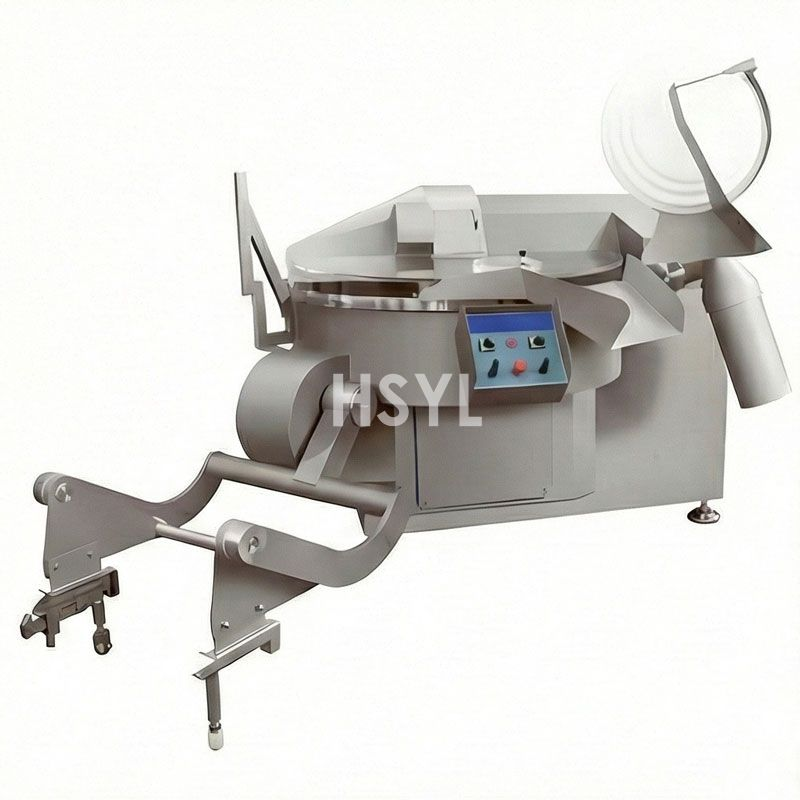
Follow the authorized sequence
The product team should define the recipe and relevant procedure. The trial record then captures what occurred, including additions, interruptions and authorized adjustments. Keep actual events distinguishable from the intended sequence.
| Record area | Information to retain |
|---|---|
| Batch basis | Product, formulation and input-lot references |
| Equipment | Model, fitted configuration and procedure reference |
| Additions | Actual ingredient connections and sequence required by the method |
| Observations | Relevant product condition and interventions |
| Samples | Identity, stage and assessment results |
| Conclusion | Supported findings, restrictions and required follow-up |
Do not revise the recorded sequence afterward to resemble the intended one. Handle differences through the approved trial and product-control procedures.
Assess the prepared product in context
Use the actual product specification for texture, structure or other relevant criteria. The method should explain how the sample is obtained and assessed. A subjective label such as good emulsion is incomplete without the buyer's required result.
Observe the transfer into feeding or filling where that is part of the task. Material that looks suitable in a sample tray may still require evaluation in the downstream route.
Use the record to distinguish alternatives
Compare trials on a common basis. If incoming material, formulation or batch conditions differ, explain why and which conclusions remain comparable. Keep accepted results and exceptions together.
The grinder and bowl-cutter comparison covers the choice of preparation functions. The luncheon meat factory scope connects those functions with a complete product route. A successful unit trial supports its defined conditions; further product-process work remains with the responsible qualified team.
Frequently Asked Questions
Should an interrupted trial be discarded?
Can the record contain the recipe?
Does the cutter supplier approve the finished meat product?
What changes may require another trial?
Related Articles



Get professional consultation
Do you have any questions or need technical support regarding the content of this article? Fill out the form below, and our expert team will provide you with professional solutions.