A slice can meet its cutting requirement and still arrive at the next operation in an unacceptable condition. Folding, overlapping or other presentation changes may occur during discharge and transfer rather than at the cutting point.
Locate the change by observing defined stages. Do not adjust the cutter first merely because the defect is noticed after slicing.
Establish the slice at discharge
Identify the product, feed state, required presentation and machine configuration. Use the existing meat slicer procurement guide to connect these trial inputs with the equipment selection basis.
Agree safe observation points and a sampling method. No inspection should require bypassing guarding or entering a moving-machine area.
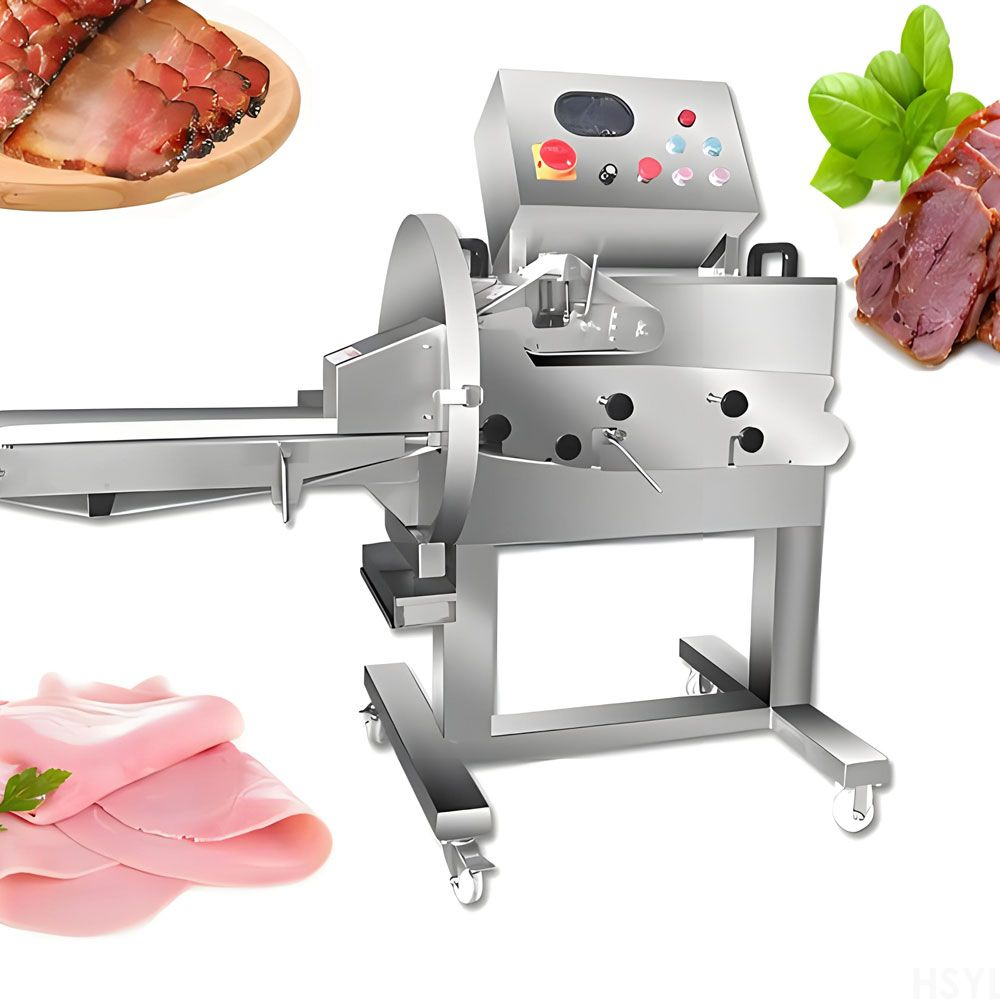
Compare three physical points
At the cutting result
Record the condition assessed by the approved cutting trial method. Identify whether the unwanted feature is already present before the next transfer.
At the transfer
Observe how slices leave the machine and move to the receiving surface or container. Record stops, accumulation and manual corrections. Use the actual approved equipment arrangement rather than improvising temporary guides during operation.
At downstream receipt
Assess the product against the next operation's requirement. A stack suitable for one packing method may not suit another, so the acceptance basis should describe the actual task.
| Evidence | Connection to keep |
|---|---|
| Sample | Product, time and observation point |
| Configuration | Machine and transfer arrangement |
| Event | Stop, intervention or condition observed |
| Result | Presentation under the agreed method |
Review the supported change
If evidence places the issue at a transfer, involve the responsible equipment team in reviewing that interface. If it is already present at the cutting result, retain the appropriate product and cutting investigation. The observations should lead the action rather than a preferred explanation.
For the automatic cooked-meat slicer, confirm the intended product state and configuration. A general slicer description cannot establish performance for every discharge arrangement.
Verify without shifting the counting boundary
Compare the result using the same product specification and agreed measurement stage. Record accepted product, rejects and manual work. Moving inspection further downstream or selecting better samples does not demonstrate an equipment improvement.
Use the control and yield-data guide to distinguish machine information from separate product observations. The final report should identify where the change occurs, what authorized action was taken and which conditions the evidence supports.
Frequently Asked Questions
Can discharge problems be diagnosed from the final pack alone?
Should every presentation issue lead to a blade change?
Can manual correction be ignored in the result?
Related Articles



Get professional consultation
Do you have any questions or need technical support regarding the content of this article? Fill out the form below, and our expert team will provide you with professional solutions.