A recipe reference tells the factory what should be made. Ingredient-addition records show what was actually introduced into the batch. Both are needed to explain the production basis without relying on memory.
Connect the current formulation, material lots and actual additions through the plant's approved system. This article provides a record-design framework, not an ingredient formula or a universal food-safety plan.
Confirm the current instruction
Identify the product code, formulation revision and authorized production instruction before material is issued. Keep superseded information controlled at the point of use.
Where ingredient quantities or properties are checked under the approved method, retain the actual evidence and instrument references required by that method. An unchecked tick should not stand in for a missing measurement.
Preserve ingredient and batch relationships
| Record connection | Purpose |
|---|---|
| Ingredient identity to supplier lot | Makes the material source traceable |
| Issued material to production batch | Shows where material was intended to be used |
| Actual addition to instruction | Identifies execution and any difference |
| Samples or unused material | Preserves the relevant quantity or destination relationship |
| Exception to authorized decision | Records who evaluated the issue and its status |
The factory's qualified team should determine ingredient, allergen and product-control requirements for the actual formulation and market. Do not infer those requirements from the equipment list.
Record exceptions when they occur
A missing ingredient, wrong reference or uncertain addition needs the approved control procedure. Preserve the observation and identify the affected material. Do not silently rewrite the batch record after adjusting the product.
If the business permits any adjustment or rework, it needs the corresponding approved method and authorization. This general guide does not authorize the use or release of an affected batch.
Connect the record to preparation and filling
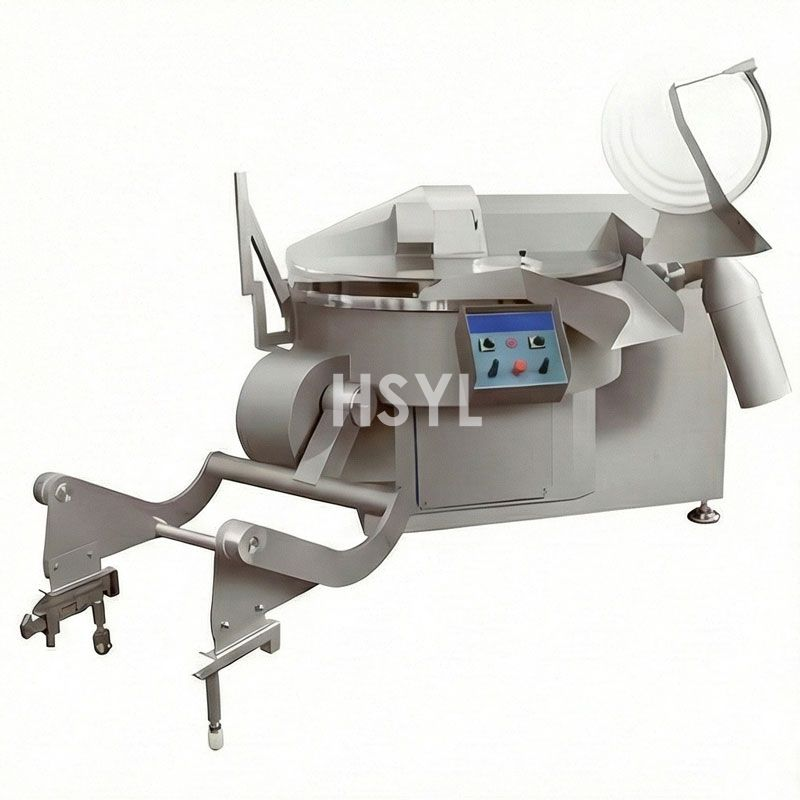
The bowl cutter or meat grinder receives material with a defined preparation basis. Keep the resulting batch connected to the next feed or filling operation, including splits or combinations under the factory's traceability method.
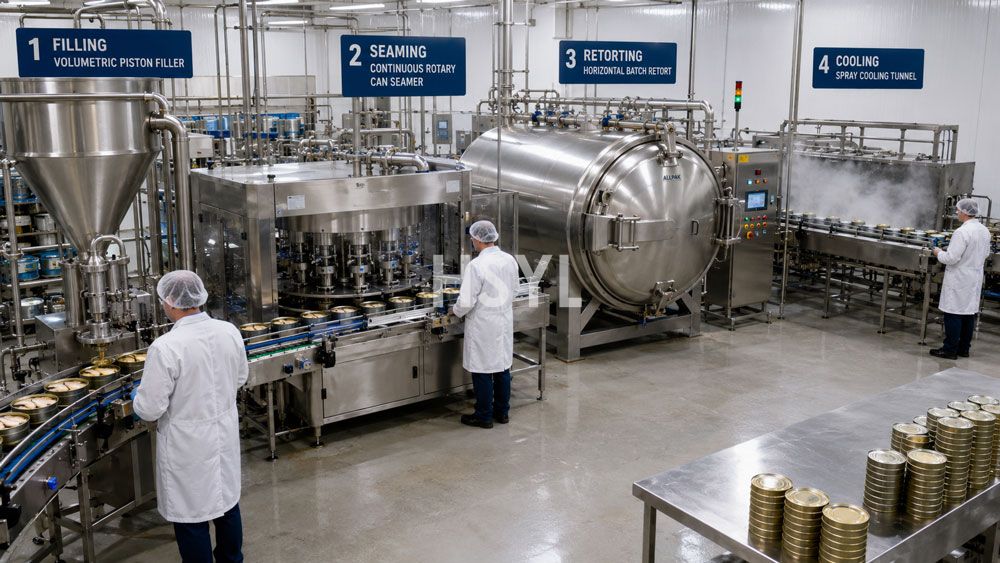
For a luncheon meat line, the product route should identify where responsibility changes. The canned meat layout guide helps locate those handoffs physically.
Test retrieval before adopting the form
Choose a preparation-batch reference and retrieve its current instruction, contributing ingredients and relevant exception decisions. Then trace the batch into the filling records. Resolve ambiguous identifiers rather than expecting staff to reconstruct the event verbally.
Use the HACCP responsibility guide for the separate monitoring and review system. A useful ingredient record lets authorized staff understand what happened and which evidence supports the batch's status.
Frequently Asked Questions
Can a formulation code replace all ingredient information?
Should an incorrect addition be erased after correction?
Does this checklist authorize a batch adjustment?
Related Articles


Get professional consultation
Do you have any questions or need technical support regarding the content of this article? Fill out the form below, and our expert team will provide you with professional solutions.