A can seamer format qualification records what has been demonstrated for an identified can, end and machine configuration. It should not become a general statement that the machine can close every container of a similar diameter.
Agree the required evidence with the relevant container and equipment specialists. The record needs a clear format basis, an applicable inspection method and a conclusion limited to the conditions reviewed.
Assemble the format basis
Identify can and end supplier references, drawings and the applicable seam specifications. Retain the actual sample or production-lot references used during the work.
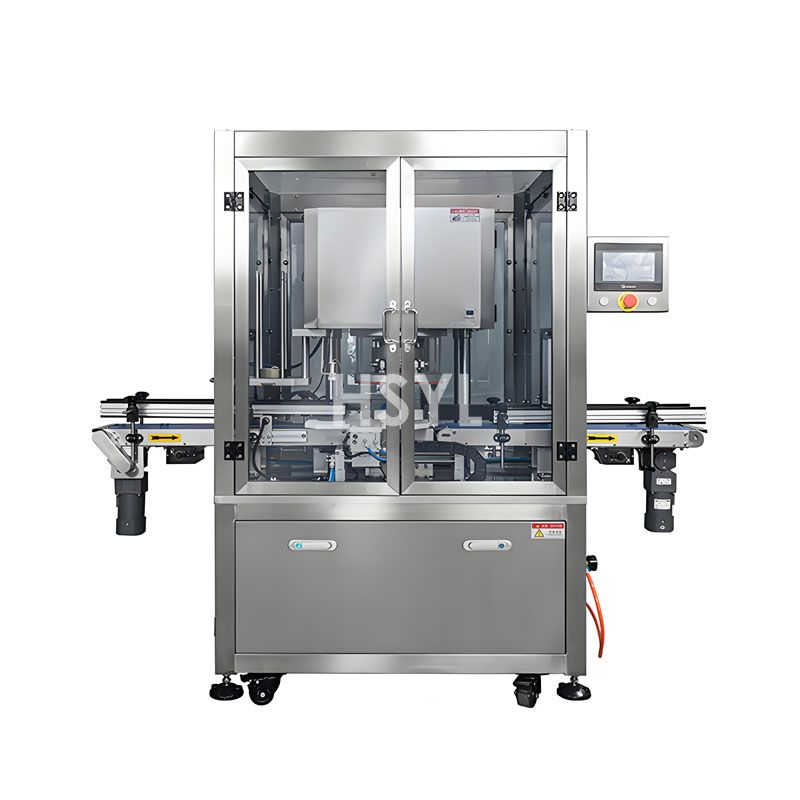
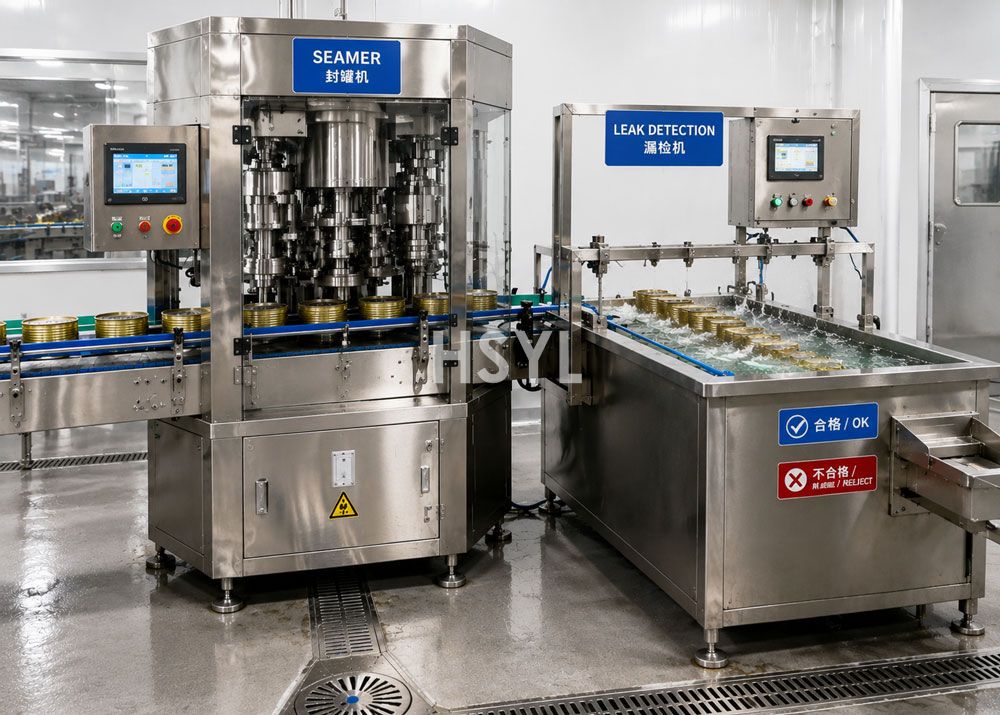
Record the seaming machine model, fitted tooling and approved setup reference. Configuration information should identify the equipment actually examined, rather than an entire product range.
Agree the examination before the run
FDA's container and closure guide describes seam evaluation using the applicable container guidelines and the appropriate combination of measurements and torn-down seam examination. A single external dimension does not establish the complete result.
| Evidence group | What to retain |
|---|---|
| Packaging identity | Can, end, drawings and relevant lot references |
| Machine identity | Model, tooling and setup-procedure reference |
| Trial conditions | Product or test basis, configuration and relevant events |
| Examination | Samples, method, observations and measurement results |
| Decision | Accepted scope, restrictions, open items and authorized review |
The actual limits and sampling requirements must come from the applicable qualified basis. This article supplies no universal seam dimensions or roll settings.
Keep the operating events visible
Record adjustments, stops and material changes that occur during the qualification work. Connect the examination results with their sample conditions. A final accepted sample should not conceal unresolved earlier observations.
Use approved safe procedures and competent personnel for setup, adjustments and examinations. Qualification is not a reason to improvise access to moving machinery or bypass protective functions.
State what the evidence supports
The conclusion should identify the tested format and configuration, applicable restrictions and work still required. A supplier's ability to change tooling does not by itself establish an untested can-end combination.
The seam-defect investigation guide addresses abnormal samples and product-control responses. The turnkey scope guide helps identify the wider acceptance responsibilities when qualification forms part of pre-shipment testing.
If a container, end, tool or relevant machine condition changes, review the applicability of earlier evidence with the responsible specialists. Keep the current format record connected to the factory's instructions and required closure controls within the packaging equipment route.
Frequently Asked Questions
Is format qualification a certification of every production can?
Can identical nominal diameters use one qualification automatically?
Does a qualification record replace routine seam checks?
What should happen after a tooling change?
Related Articles
Get professional consultation
Do you have any questions or need technical support regarding the content of this article? Fill out the form below, and our expert team will provide you with professional solutions.