A frozen meat grinder enquiry should describe the material entering the machine, not only the product expected at discharge. Frozen blocks can differ in dimensions, composition, preparation history and physical condition.
Obtain the proposed model's approved feed requirements before arranging a trial. The word frozen does not establish that any block can be loaded into any grinder.
Describe the incoming material
Record species, product form, relevant composition and the preparation already completed. Provide dimensions and the range the factory expects to receive. Identify any conditions that the supplier needs to evaluate, using the agreed measurement method.
Where temperature is relevant, retain actual measurements and their method. Do not infer the condition of a complete block from an unexplained surface reading or a commercial description.
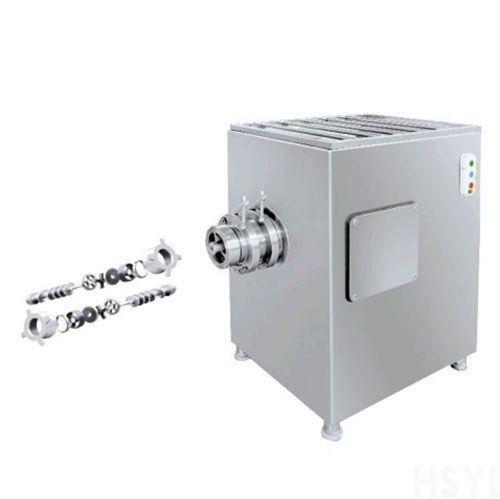
Match the approved configuration
Ask the frozen meat grinder supplier to identify the exact model, feed restrictions and cutting arrangement proposed. Confirm which components and instructions apply to the supplied configuration.
| Trial input | Decision it supports |
|---|---|
| Material identity and history | Establishes what product the conclusion applies to |
| Feed dimensions and condition | Supports model-specific suitability review |
| Cutting arrangement | Identifies the configuration actually tested |
| Output specification | Defines the result required by the next operation |
| Operating work | Records loading, interventions and discharge handling |
Avoid selecting equipment from motor power or plate description alone. Those details need to be interpreted within the complete material and machine basis.
Assess the result at the next handoff
Define the required particle or structural characteristics and how they will be checked. Retain the actual samples, measurements and rejection reasons under the agreed method.
The bowl-cutter versus grinder comparison explains why size reduction and later chopping are different tasks. If the product proceeds into a bowl cutter, observe how the ground material is transferred and received rather than assuming discharge appearance settles the whole preparation question.
Retain a bounded trial conclusion
Record the material range, configuration, test window and observations. Include stops and manual work that affect the result. If the material has been specially conditioned for the trial, state how it differs from normal supply.
Review cleaning, component handling and maintenance access using the approved safe procedures. A satisfactory discharge sample does not by itself establish that the machine fits the factory's operating method.
Use the luncheon meat project guide where that is the intended application. The purchasing decision should identify the accepted feed conditions, required preparation and evidence still needed for any wider product range.
Frequently Asked Questions
Can a frozen grinder accept unprepared blocks of any size?
Is nominal plate size the finished-product guarantee?
Can a trial on one meat formulation support another?
Related Articles
Get professional consultation
Do you have any questions or need technical support regarding the content of this article? Fill out the form below, and our expert team will provide you with professional solutions.