A start-up event log helps a canning project turn scattered observations into reviewable technical questions. Without it, a stop may be described differently by production, maintenance and the supplier, leaving the next action unclear.
Record what happened before assigning a cause. The log supports investigation and commissioning; it does not replace process records, safety procedures or product-control decisions.
Capture the event at the right boundary
Identify the machine, product, container and time. Describe the observable condition in plain terms: product not arriving, a displayed alarm, blocked discharge or an unexpected measurement. Avoid turning an untested explanation into the event description.
| Log field | What it contributes |
|---|---|
| Event reference and time | Connects observations from different people or records |
| Equipment and configuration | Identifies the actual system involved |
| Product and container | Preserves the conditions under which the event occurred |
| Observation | Separates evidence from interpretation |
| Immediate action | Records authorized work and any setting or configuration changes |
| Product status | References the approved hold or release decision where relevant |
| Follow-up | Owner, evidence requested and closure condition |
Preserve useful supporting evidence
Attach relevant alarm text, photographs, measurements or record references using the same event identifier. Capture enough context to explain the condition without exposing people to hazards or bypassing protective functions.
Keep original records. If an entry is corrected, follow the factory's controlled correction method so the history remains understandable.
Make supplier questions answerable
Provide the event, configuration, relevant conditions and the exact question requiring a response. Distinguish a request for explanation from a proposed modification. Do not make an unapproved machine or process change merely to see whether the event disappears.
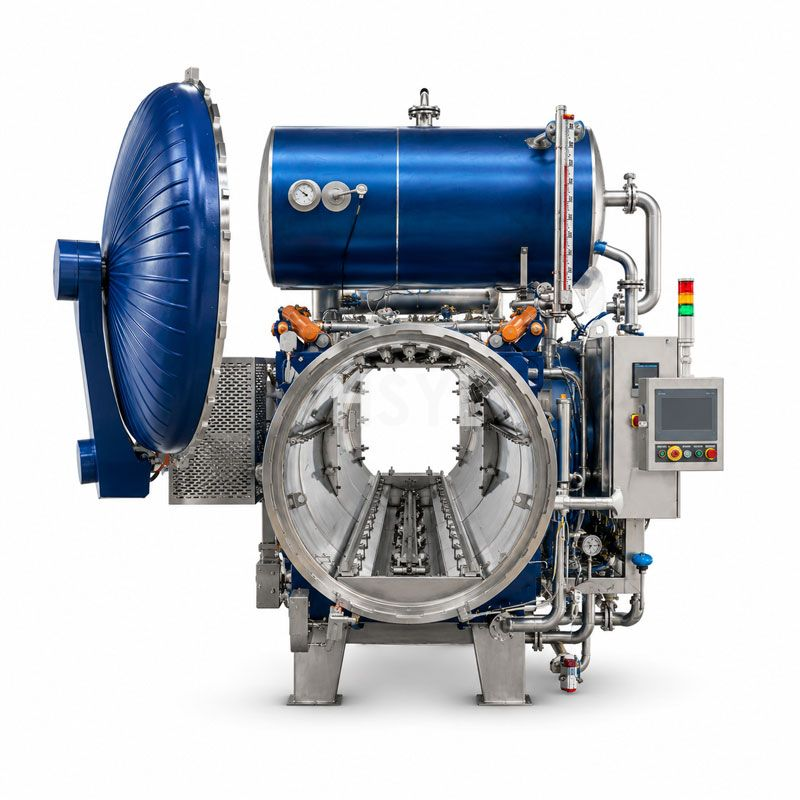
The canning line and packaging equipment references can help identify the relevant equipment category, but technical follow-up needs the actual model and project documents.
Close events with evidence
Record the supported finding, approved action and result of the agreed verification. If the issue recurs, connect the new event rather than erasing the original closure history. Keep product disposition separate from successful mechanical restart.
Use the bottleneck observation guide when repeated events affect output, and the procurement performance definitions when commissioning results are compared with acceptance commitments. The log is useful when another authorized reviewer can understand the event and the decision without reconstructing a conversation.
Frequently Asked Questions
Should the operator write the suspected cause?
Does a successful restart close every issue?
Should every short stop be recorded?
Can the log replace a food-process record?
Related Articles


Get professional consultation
Do you have any questions or need technical support regarding the content of this article? Fill out the form below, and our expert team will provide you with professional solutions.