Setting up a fully automatic luncheon meat factory represents a significant investment in efficiency, quality, and scalability for food processors, meat manufacturers, and large-scale catering suppliers. These industrial-grade production lines automate the entire process—from raw meat preparation to sterilization and final packaging—allowing businesses to meet growing demand while reducing labor costs and ensuring consistent product quality. For industrial buyers, understanding the technical, operational, and regulatory aspects of such a factory is crucial for making informed decisions and selecting the right equipment.

What a Fully Automatic Luncheon Meat Factory Is & How It Works
A fully automatic luncheon meat factory integrates multiple production stages into a continuous, high-efficiency workflow. Core components typically include:
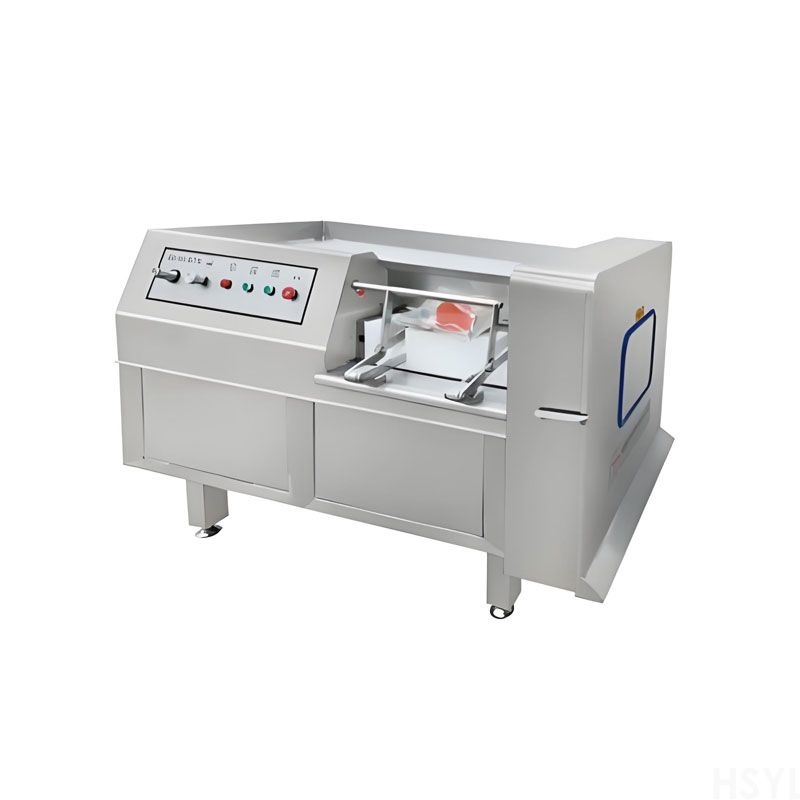
Raw Material Preparation: Meat deboning, cutting, and grinding systems ensure uniform particle size and composition.
Mixing & Formulation: Automated mixers combine meat with water, salts, seasonings, and binders to achieve a consistent product formula.
Stuffing & Molding: Meat emulsions are filled into cans or molds using precise volumetric or weight-controlled fillers.
Cooking & Sterilization: Steam retorts or high-pressure cookers cook the meat inside sealed containers, ensuring microbial safety and extended shelf life.
Cooling & Drying: Post-cooking cooling tunnels reduce internal temperatures to safe handling levels, maintaining texture and flavor.
Labeling & Packaging: Automatic labeling, inspection, and case-packing systems finalize the product for shipment.
These systems are controlled via centralized PLCs (Programmable Logic Controllers) with touchscreen interfaces, allowing operators to monitor production parameters, adjust recipes, and optimize output in real-time.
Industry Problems This Equipment Solves
The adoption of a fully automated luncheon meat line addresses several critical challenges faced by industrial meat processors:
High Labor Costs: Manual meat processing is labor-intensive and error-prone. Automation significantly reduces workforce requirements.
Yield Loss: Manual handling and inconsistent portioning can lead to product waste. Automated weighing and filling systems improve yield consistency.
Hygiene Risks: Open-handling of meat increases contamination risk. Enclosed automated systems enhance food safety.
Inconsistent Product Quality: Variability in mixing, filling, and cooking can compromise texture and flavor. Automation ensures uniformity across batches.
Scalability Limitations: Manual factories struggle to meet rising demand. Fully automated lines can scale production without proportional increases in labor.
Key Features & Technical Advantages
Industrial luncheon meat factories offer a range of advanced features designed to optimize efficiency, compliance, and ROI:
PLC-Controlled Automation: Centralized control for process standardization and real-time monitoring.
Precision Filling Systems: Volumetric and weight-controlled fillers ensure exact portioning with minimal waste.
Continuous Sterilization: Modern retorts provide precise temperature and pressure control for consistent microbial safety.
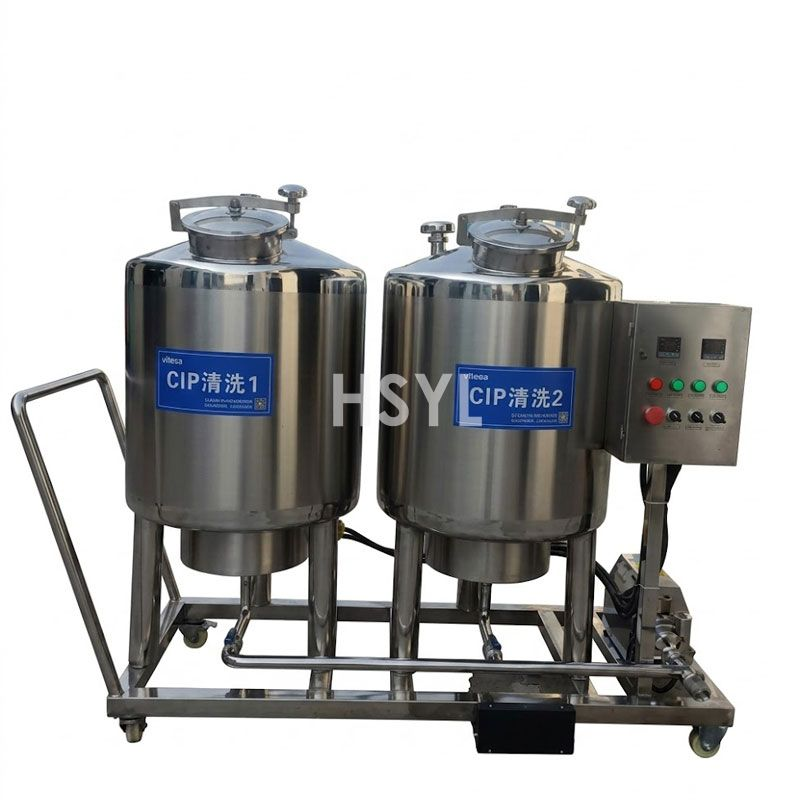
Integrated CIP Systems: Clean-in-place technology reduces downtime and ensures sanitary conditions.
Energy-Efficient Design: Optimized steam, water, and electrical systems lower operational costs.
Data Logging & Traceability: Automated recording of production parameters supports quality control and regulatory audits.
Typical Applications & Production Scenarios
Fully automatic luncheon meat lines are suitable for:
Canned Meat Manufacturers: Producing hot dogs, luncheon meat, spam-style products, and premium canned meat variants.
Large Catering & Food Service Suppliers: High-volume production for hotels, airlines, and military contracts.
Private Label Food Brands: Custom formulations for retail distribution with consistent quality and compliance.
Export-Oriented Operations: Meeting FDA, EU, or other international regulatory requirements for packaged meat products.
Production scales can range from medium-volume pilot plants to high-capacity factories exceeding several tons per hour, accommodating flexible batch sizes and multiple recipes.
Capacity Options & Selection Guidance
When selecting a production line, buyers should consider:
Output Requirements: Small-scale (1–3 tons/day), medium-scale (5–10 tons/day), large-scale (10+ tons/day) capacities.
Automation Level: Semi-automatic lines can reduce initial costs but require more labor. Fully automatic lines maximize efficiency and consistency.
Product Variety: Lines supporting multiple can sizes or alternative meat formulations offer greater flexibility.
Space & Layout Constraints: Factory floor plans must accommodate feeding, cooking, and packaging equipment in a smooth workflow.
Maintenance Accessibility: Modular equipment simplifies cleaning, maintenance, and future upgrades.
Choosing a line that matches production goals while leaving room for growth ensures long-term profitability and operational stability.
Buyer Benefits
Investing in a fully automatic luncheon meat factory delivers tangible benefits:
Operational Efficiency: Streamlined workflow reduces bottlenecks and increases output.
Labor Reduction: Automated systems replace repetitive manual tasks, lowering workforce costs.
Consistent Product Quality: Uniform texture, taste, and weight improve brand reputation.
Scalability: Easily expand production capacity to meet market demand without major operational changes.
Regulatory Compliance: Modern equipment adheres to global food safety standards, reducing audit risks.
Customization & Engineering Support
Reputable equipment manufacturers provide tailored engineering solutions:
Recipe-Specific Mixing & Formulation: Customizable mixing tanks and additive dispensers for proprietary products.
Flexible Container Options: Machines compatible with different can sizes, trays, or vacuum packs.
Automation Integration: Control systems that sync with ERP or MES platforms for data-driven operations.
On-Site Installation & Training: Manufacturer engineers supervise installation, testing, and staff training for smooth ramp-up.
After-Sales Service & Spare Parts: Long-term support for preventive maintenance, upgrades, and troubleshooting.
Standards, Certifications, and Compliance
Industrial luncheon meat lines must meet international food safety and quality standards:
HACCP & ISO 22000 Compliance: Ensures hazard analysis and preventive controls are embedded in production processes.
CE Certification: Confirms equipment meets European health, safety, and environmental standards.
FDA & USDA Guidelines: Line design supports safe handling and labeling for export to the United States.
GMP (Good Manufacturing Practices): Sanitary design, cleanable surfaces, and traceable operations reduce contamination risk.
Energy & Environmental Efficiency Standards: Optimized water, steam, and power consumption reduces operational costs and environmental impact.
Conclusion & Professional CTA
A fully automatic luncheon meat factory offers industrial buyers a strategic solution to achieve high-efficiency production, consistent product quality, and regulatory compliance. By investing in advanced automation, processors can reduce labor costs, improve yield, and scale operations to meet growing market demand. Manufacturers with engineering expertise provide tailored solutions, from layout design to recipe-specific automation, ensuring each factory meets operational goals. For companies seeking to optimize luncheon meat production and maximize ROI, contacting an experienced industrial equipment supplier is the next step to secure a turnkey, fully automated solution.
Frequently Asked Questions
What is the ideal production capacity for a fully automatic luncheon meat factory?
Can the line handle multiple can sizes or tray formats?
How long does it take to install and start production?
What food safety standards does the equipment comply with?
How much labor is required to operate the factory?
Can custom recipes or formulations be accommodated?
Is maintenance difficult or costly?
Can the line be integrated with existing ERP or production management systems?
Related Articles



Get professional consultation
Do you have any questions or need technical support regarding the content of this article? Fill out the form below, and our expert team will provide you with professional solutions.