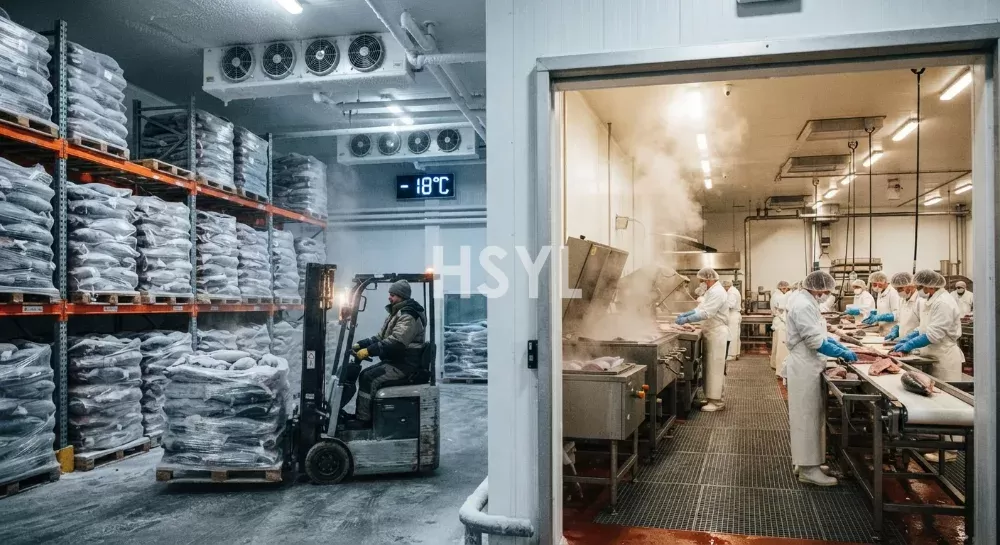
Seasonal Fish Canning: Cold Storage, Multi-Species Rotation and Year-Round Line Utilization
Direct AnswerThe most expensive asset in a fish cannery is not the retort or the...


Hydraulic sausage stuffer for fresh and emulsified sausage filling, 200-800 kg/h. Request a quote, layout plan, or sample test video.
When sausage filling becomes unstable, the plant usually sees the same problems at once: air pockets in the casing, burst links, uneven product diameter, and unnecessary giveaway at the clipping table. This hydraulic sausage stuffer is built for processors that need a dependable filling step for fresh sausage, seasoned meat paste, and luncheon meat batter without moving directly to a higher-cost vacuum filling platform. It is a practical choice for butcher plants, central kitchens, and medium-capacity meat factories that want steady output, simple maintenance, and clean product handling.
| Model | Filling Configuration | Capacity | Hopper Volume | Cylinder Volume | Hydraulic Pressure | Filling Tube Diameter | Voltage | Power | Dimensions | Material | Weight |
|---|---|---|---|---|---|---|---|---|---|---|---|
| 20 Single-Tube | 1 outlet | 200 kg/h | 20 L | 20 L | 2.0 MPa | 16 / 19 / 22 mm | 220 V / 380 V | 1.5 kW | 800 x 630 x 1200 mm | Product-contact SUS304 | 200 kg |
| 30 Single-Tube | 1 outlet | 300 to 600 kg/h | 30 L | 30 L | 2.5 MPa | 16 / 25 / 32 mm | 380 V | 1.5 kW | 950 x 560 x 1400 mm | Product-contact SUS304 | 260 kg |
| 40 Double-Tube | 2 outlets | 500 to 800 kg/h | 40 L | 40 L | 2.5 MPa | 16 / 25 / 32 mm | 380 V | 2.2 kW | 1100 x 730 x 1600 mm | Product-contact SUS304 | 400 kg |
Buyers do not usually replace a sausage stuffer because of motor size alone. They replace it because the machine cannot hold a steady fill when the product gets denser, colder, or more particulate. This model family is arranged around the production issues that matter most in real sausage rooms.
The machine operates through a hydraulic pump, oil circuit, piston cylinder, outlet manifold, and interchangeable filling tubes. Prepared meat batter is loaded into the hopper and cylinder. Once the motor drives the hydraulic pump, pressure is transferred to the piston, which displaces the product through the selected filling tube and into the casing. A relief valve protects the circuit when the batter becomes too cold or too dense, while stroke limit switches control forward and return travel for repeatable filling cycles.
This structure is well suited to fresh sausage and luncheon meat production because the filling force is applied through a broad piston face rather than an aggressive screw feed. In practice, that means less mechanical damage to coarse particles, lower risk of fat smear, and steadier discharge when operators are changing casing bundles or adjusting clip rhythm. The standard control arrangement is straightforward and durable for daily production, and plants that need closer coordination with conveyors or clipping devices can specify foot-switch actuation or a PLC and HMI control package for interlock management.
On the 40 L double-tube version, the outlet manifold divides product flow into two filling positions. This gives meat plants a practical way to raise hourly output, support two operators, or feed parallel hanging positions without stepping immediately into a fully automatic vacuum filler investment.
This machine is a strong fit for processors making fresh pork sausage, bratwurst, chorizo, chicken sausage, breakfast links, and plastic-cased luncheon meat. A typical process rhythm starts with trimming and grinding, followed by seasoning, ice or water addition, and mixing. The prepared batter then moves into stuffing, linking or clipping, hanging or conveying, thermal processing if required, cooling, inspection, and final packing.
For buyers planning a broader project rather than a standalone filling station, the stuffer can be built into an automatic meat processing line that covers grinding, mixing, stuffing, cooking, cooling, and packaging. In practical terms, the 20 L and 30 L models are well matched to one-operator fresh sausage rooms and medium-throughput butcher plants, while the 40 L double-tube model suits factories that need faster casing loading and better labor utilization.
For export projects, procurement teams usually need more than a quotation and a nameplate. Hongsheng Yuanlin supports sausage filling projects with the documents and service items required for installation, operator training, and plant approval workflows. Machines can be supplied with CE-oriented safety configuration, electrical setup for local voltage standards, and food-contact material records for audit files. For plants working toward USDA-style sanitary expectations or BRCGS-audited operation, the machine can be specified with smooth-contact execution, accessible clean-down zones, and a clearer documentation package for site validation.
Send us your sausage type, casing size, target hourly output, and plant voltage. We will recommend the right 20 L, 30 L, or 40 L sausage stuffer, prepare a quotation with layout guidance, and share a sample filling video for reference.
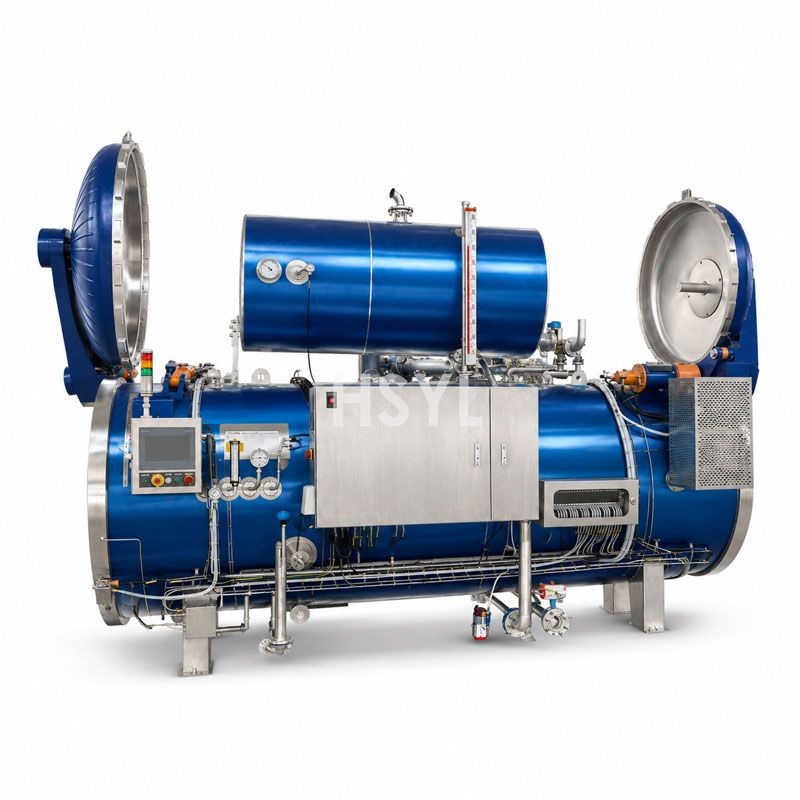


Direct AnswerThe most expensive asset in a fish cannery is not the retort or the...
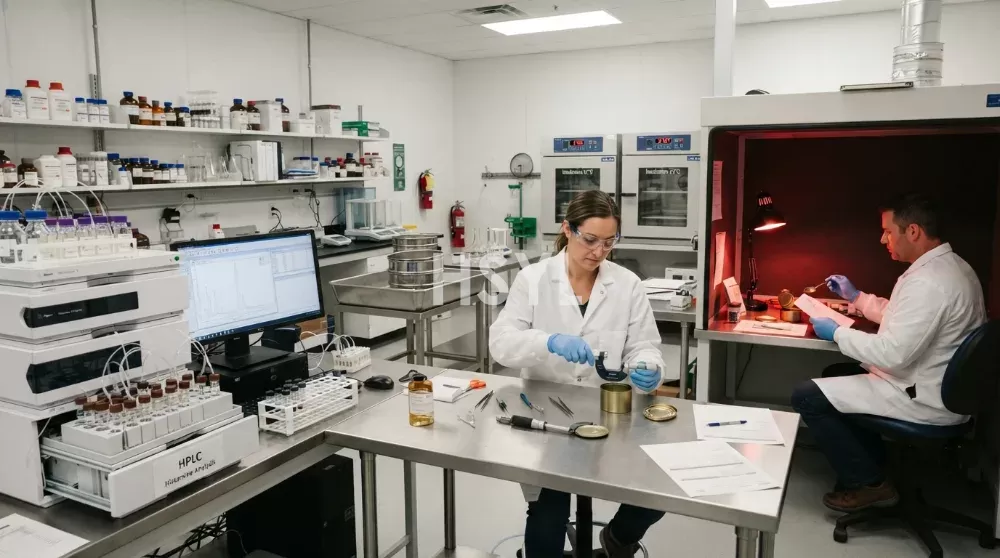
Complete sardine and mackerel canning line: heading and gutting automation, can ...
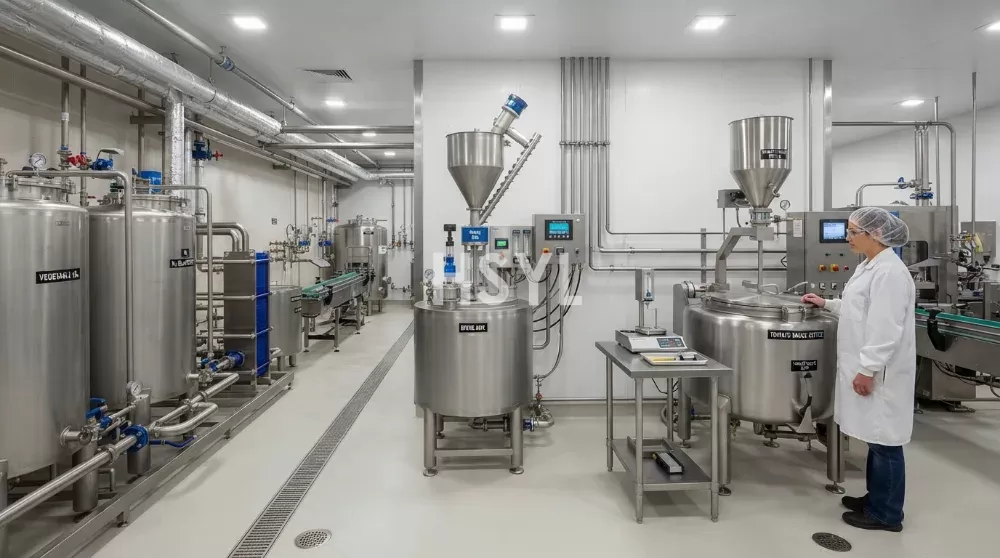
The filling medium — the liquid that fills the void spaces between the fish piec...
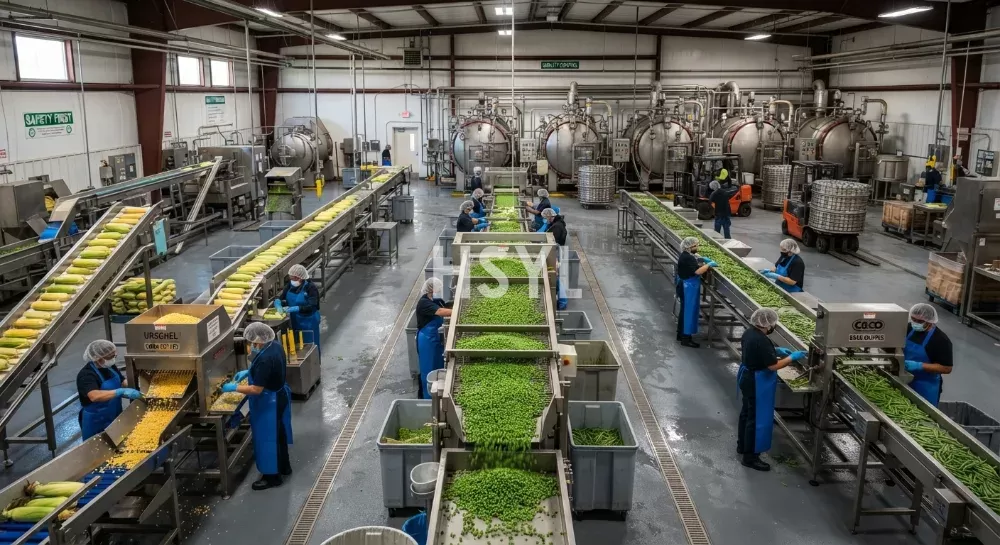
Low-acid canned vegetable processing line for corn, peas, and green beans. Press...