In the modern food processing industry, canning lines are essential for ensuring product safety, extending shelf life, and maintaining consistent quality. Two common industrial solutions are the meat canning line and the pet food canning line. While they may appear similar at first glance, each system is engineered to meet very different requirements. Understanding the differences is critical for food processors, equipment engineers, and plant managers looking to optimize production efficiency, comply with regulations, and scale operations effectively. This article provides a comprehensive technical guide to help industrial buyers make informed decisions when selecting a canning line for human or pet food applications.For complete autoclave batch scheduling and facility sanitation planning, refer to our engineering overview on fruit canned production line.

What Is a Meat Canning Line and a Pet Food Canning Line & How They Work
A meat canning line is designed to process human-consumable meat products such as beef, pork, poultry, and processed meat mixtures. It typically involves several key steps: raw material preparation, cutting and mixing, filling into cans, sealing, sterilization, cooling, labeling, and packaging. These lines prioritize hygiene, product integrity, and compliance with food safety standards such as HACCP, ISO 22000, and FDA regulations.
A pet food canning line, on the other hand, is optimized for animal-consumable products. This includes wet dog or cat food, poultry meals, or mixed pet food formulas. While the mechanical processes—filling, sealing, sterilizing—are similar, the temperature profiles, ingredient handling, and packaging standards differ to suit pet food textures, preservative requirements, and shelf stability. Pet food lines often incorporate flexibility for different can sizes and batch variability due to diverse product recipes.
Both systems rely on automated conveyors, filling heads, sterilizers (retorts or continuous sterilization tunnels), and precise control systems to ensure consistent product quality. However, design tolerances, material specifications, and sanitation protocols are adapted to their respective target markets.
Industry Problems This Equipment Solves
Labor Cost and Productivity Challenges
Manual canning is labor-intensive, prone to inconsistencies, and limits scale. Automated meat and pet food canning lines reduce labor requirements by 40–60%, enabling continuous production with fewer operators.
Product Yield Loss
Incorrect filling or sealing can result in product leakage or spoilage. Precision filling systems, servo-controlled can feeders, and automated sealing units minimize yield loss, ensuring higher return on raw materials.
Hygiene and Contamination Risks
Meat canning lines are highly sensitive to microbial contamination. Integrated CIP (Clean-in-Place) systems, stainless-steel surfaces, and controlled sterilization cycles mitigate bacterial risks. Pet food lines also prioritize hygiene but focus on managing high-viscosity pastes and preventing cross-contamination among multiple recipes.
Process Inconsistency
Variations in filling, sealing, or sterilization can impact shelf life. Modern lines integrate PLC and SCADA systems to monitor every step in real time, maintaining consistent product standards.
Scalability and Flexibility
Industrial buyers often need lines capable of adjusting to seasonal demand or new product formats. Both meat and pet food lines are engineered for modular expansion, allowing additional filling heads, can sizes, or sterilization units as required.
Key Features & Technical Advantages
Automated Filling Systems: Servo-driven or piston fillers with high precision for consistent volume control.
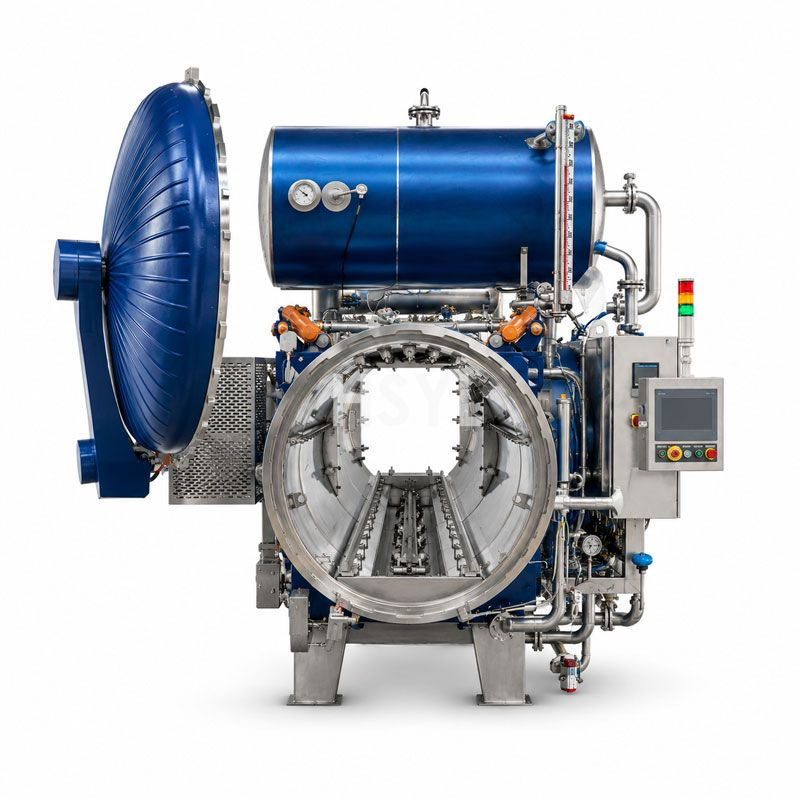
Sealing & Retorting Technology: Double seam sealing with retort sterilization tailored to product type.
Sanitary Design: Full stainless-steel contact surfaces, CIP-ready, and minimal crevices for bacteria-free operations.
PLC-Controlled Process Management: Real-time monitoring of temperature, pressure, filling, and can integrity.
Flexible Packaging: Adjustable for multiple can diameters, heights, and lid styles.
High Throughput Options: Lines can range from 1,000 to 25,000 cans per hour depending on capacity requirements.
Energy Efficiency: Insulated retorts and heat recovery systems reduce operational costs.
Typical Applications & Production Scenarios
Meat Canning Line Applications
Cooked ham, corned beef, roast chicken, sausages in brine, mixed meat stews.
Suitable for centralized production facilities supplying grocery chains, military, or foodservice operations.
Pet Food Canning Line Applications
Wet dog or cat food in jelly, gravy, or pâté form.
Production for branded pet food, private label manufacturing, or regional distribution centers.
Both lines can operate continuously or in batch mode, depending on factory layout, product mix, and market demand. Meat lines require precise cooking and sterilization cycles for safety and texture, while pet food lines accommodate more diverse ingredient consistencies and rapid recipe changeovers.
Capacity Options & Selection Guidance
Choosing the right capacity depends on market demand, product types, and operational footprint:
Small-scale / Pilot Lines: 1,000–3,000 cans per hour, ideal for R&D, product testing, or boutique production.
Medium-scale Lines: 3,000–10,000 cans per hour, suitable for regional distribution or multi-product factories.
High-capacity Lines: 10,000–25,000+ cans per hour, designed for multinational brands and industrial-scale manufacturing.
Selection should consider:
Can size range and format flexibility
Product viscosity and texture
Sterilization requirements (time, temperature, pressure)
Automation level vs. labor availability
Integration with upstream raw material prep and downstream packaging
Buyer Benefits
Efficiency: Automated operations reduce cycle times and increase throughput.
Labor Reduction: Fewer operators needed, minimal manual handling.
Product Quality & Consistency: Accurate filling, uniform sealing, and controlled sterilization prevent spoilage and defects.
Scalability: Modular design supports production expansion or diversification.
Compliance Confidence: Lines engineered to meet FDA, HACCP, ISO 22000, or local food safety standards.
Energy & Resource Savings: Advanced insulation, energy recovery, and precise controls minimize waste.
Customization & Engineering Support
Leading manufacturers provide:
Tailored line layouts for factory space optimization
Recipe-specific filling and cooking adjustments
Integration with upstream cutting, mixing, and grinding systems
Engineering support for maintenance, spare parts, and operational troubleshooting
Optional automation upgrades: robotic can handling, vision inspection, or automated cleaning systems
Customization ensures each line meets both operational efficiency and product quality goals.
Standards, Certifications, and Compliance
Compliance is critical for both human and pet food processing:
Meat Canning Lines: HACCP, ISO 22000, FDA compliance for food safety, CE for European markets
Pet Food Canning Lines: ISO 9001, HACCP, FDA-compliant design principles for pet food
Sanitary Design: All lines use food-grade stainless steel (304 or 316), CIP-compatible piping, and minimal crevice construction
Retort Standards: Pressure vessels and autoclaves meet ASME or EN standards for safety and reliability
Adherence to these standards ensures regulatory approval and reduces operational risk.
Conclusion & Professional CTA
Choosing between a meat canning line and a pet food canning line requires careful consideration of product specifications, hygiene requirements, regulatory compliance, and production volume. Investing in the right industrial solution ensures operational efficiency, consistent product quality, and scalable growth. Our engineering team provides tailored design support, integration guidance, and turnkey solutions for both human and pet food production lines. Contact our specialists today to discuss your production needs and receive a detailed solution proposal that aligns with your operational goals.
Frequently Asked Questions
What is the main difference between a meat canning line and a pet food canning line?
Can a pet food line be used for human meat products?
What capacity options are available for these canning lines?
How flexible are these lines in terms of can size and format?
What certifications should I expect from a reliable line manufacturer?
Do these lines support automation for minimal labor?
Can the lines be customized for specific recipes or product types?
How long does it typically take to install and commission a line?
Related Articles


Get professional consultation
Do you have any questions or need technical support regarding the content of this article? Fill out the form below, and our expert team will provide you with professional solutions.